Advertisement
Political showdown looms as Ruto and opposition tour Western Kenya on same day
Saturday 13th June, 2026 06:56 AM|

Western Kenya is set to become the centre of Kenya’s political contest this weekend as President William Ruto and the opposition’s United Alternative Government team simultaneously pitch camp in the region, underlining the growing battle for a voting bloc that could prove decisive in the 2027 general election.
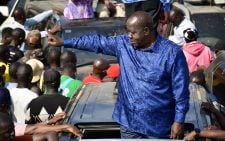
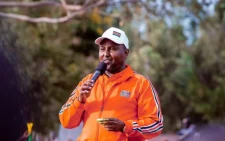
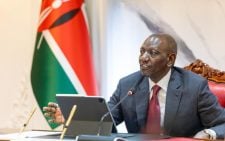
On Saturday, June 13, 2026, President Ruto will preside over the launch of Shirikiana SACCO at Masinde Muliro University of Science and Technology in Kakamega County, while opposition heavyweights Rigathi Gachagua, Kalonzo Musyoka, Eugene Wamalwa, George Natembeya and Justin Muturi continue their Western Kenya tour with a major rally in Bungoma County.
The parallel events are more than a coincidence of political calendars. They represent two competing visions for the future of Western Kenya and offer an early glimpse into the alliances, strategies and battles that are likely to define the road to 2027.
Ruto’s economic pitch
For President Ruto and his allies, the launch of Shirikiana SACCO is intended to demonstrate the government’s commitment to economic empowerment and grassroots development.
You Might Also Like
The SACCO, spearheaded by Cooperatives and MSMEs Development Cabinet Secretary Wycliffe Oparanya, has been presented as a transformative financial institution designed to unlock economic opportunities for farmers, traders, professionals and entrepreneurs across the region.
According to Oparanya, the SACCO already boasts approximately 100,000 members from Kakamega, Busia, Bungoma, Vihiga and Trans Nzoia counties, with ambitions of growing to 250,000 members by the end of the year.
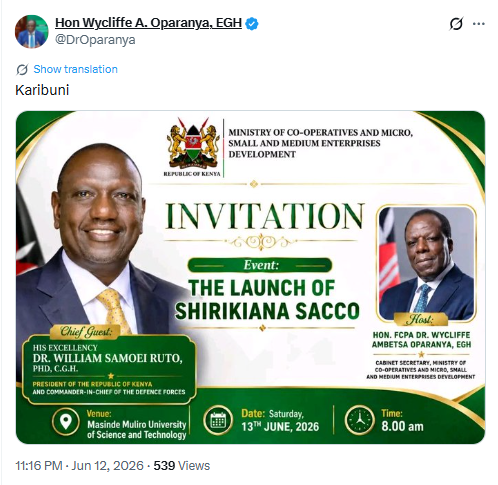
The initiative focuses heavily on the coffee value chain, affordable credit, social protection programmes, and support for small and medium-sized enterprises.
For the Kenya Kwanza administration, the launch provides an opportunity to showcase tangible development initiatives at a time when criticism over the cost of living, taxation and unemployment continues to dominate public discourse.
More importantly, it gives Ruto a platform to reinforce his influence in a region that has historically leaned towards opposition politics but has increasingly become politically fluid following the death of ODM leader Raila Odinga and the emergence of new political alignments.
Opposition’s counter-offensive
At the same time, the opposition coalition is seeking to capitalise on growing public discontent and position itself as a credible alternative to the Kenya Kwanza administration.
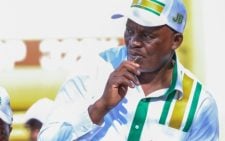
The United Alternative Government team began its Western Kenya tour in Luanda, Vihiga County on Friday, June 12, 2026, where leaders criticised the government’s economic policies and urged residents to embrace the “Wantam” movement.
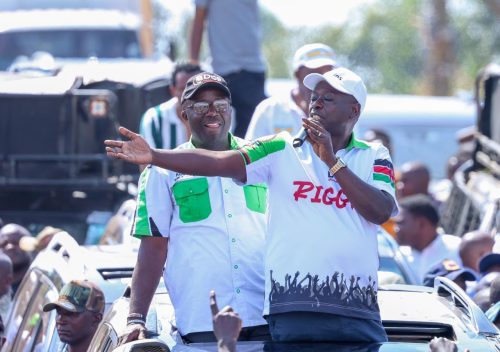
Their strategy appears aimed at consolidating support across regions while demonstrating that opposition leaders can work together despite coming from different political backgrounds.
Saturday’s rally in Bungoma County, hosted by former Kanduyi MP Wafula Wamunyinyi at Ekitale Centre, is expected to draw large crowds as the coalition seeks to strengthen its presence in a region that has become increasingly politically competitive.
“Tomorrow is the day, WANGWANA! Let’s all meet at Ekitale Center. We’ve waited for this moment. The United Opposition will be there in full force, and we’re coming prepared. Are you ready? See you at 3:00 PM, 13th June 2026. This is our time. KARIBU INGO,” Wamunyinyi posted on his official Facebook account on Friday, June 12, 2026.
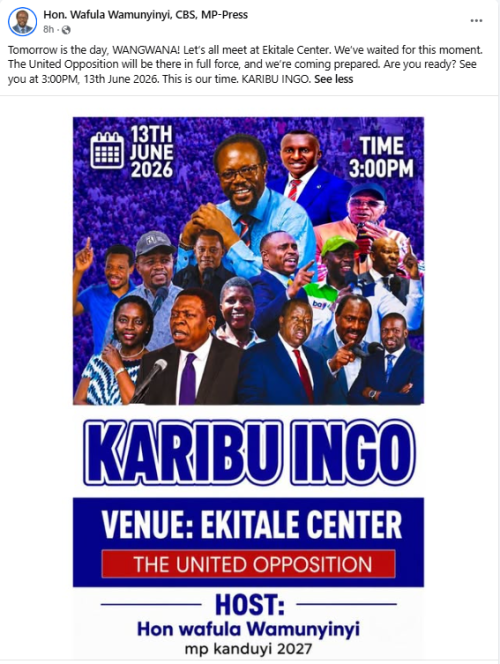
The opposition’s itinerary, which includes stops in Busia, Bungoma, and Trans Nzoia counties, is particularly significant because it targets areas traditionally associated with ODM as well as regions where local political leaders have expressed dissatisfaction with the current administration.
Western Kenya: The new political battleground
The simultaneous presence of both camps in Western Kenya highlights the growing strategic importance of the region ahead of the next election cycle.
With millions of registered voters spread across counties such as Kakamega, Bungoma, Busia, Vihiga, and Trans Nzoia, Western Kenya remains one of the country’s most influential voting blocs.
Historically, regional politics have often revolved around the influence of leaders such as Musalia Mudavadi, Moses Wetang’ula and Raila Odinga. However, the political landscape has shifted significantly over the past few years.
Mudavadi and Wetang’ula are now firmly embedded within the Kenya Kwanza government, while figures such as Kalonzo Musyoka, Eugene Wamalwa, George Natembeya and Rigathi Gachagua are seeking to build a new opposition coalition capable of challenging President Ruto’s re-election bid.
The result is a fierce contest for political influence, with both sides seeking to convince voters that they are best positioned to deliver development, representation and economic prosperity.
Oparanya’s growing political importance
The Shirikiana SACCO launch also places Wycliffe Oparanya at the centre of Western Kenya politics.
Once a senior ODM figure and former Kakamega governor, Oparanya has emerged as one of President Ruto’s most influential allies in the region since joining the Cabinet.
His ability to mobilise support and sell government programmes will likely be closely watched as Kenya Kwanza seeks to expand its foothold in an area traditionally sceptical of ruling administrations.
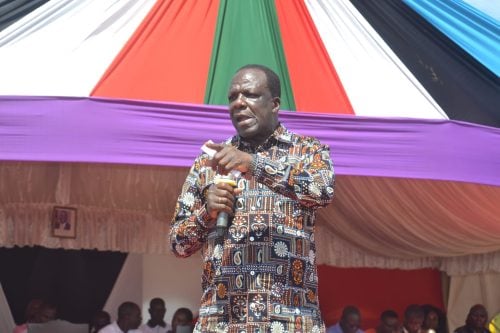
For Ruto, Oparanya represents an important bridge into Western Kenya’s political landscape. For the opposition, he has become one of the key figures they must politically neutralise if they hope to regain dominance in the region.
Although the next general election is still more than a year away, the events unfolding in Western Kenya suggest that the race has already begun.
The battle is no longer simply about who can draw larger crowds or dominate headlines. It is increasingly about who can successfully frame the political conversation around development, economic empowerment, and leadership.
As President Ruto launches a major economic initiative in Kakamega and opposition leaders rally supporters in Bungoma, Western Kenya finds itself at the heart of a broader national political contest.
Saturday’s parallel engagements may be separated by only a few kilometres, but they represent two very different paths for the country, and perhaps the opening chapter of the battle for 2027.
Author
Mustafa Juma
View all posts by Mustafa JumaLatest News


Advertisement
More on Inside Politics