Advertisement
Peter Mbae: Justice has no price tag as Gachagua impeachment battle heads to appeal
Wednesday 10th June, 2026 07:31 AM|

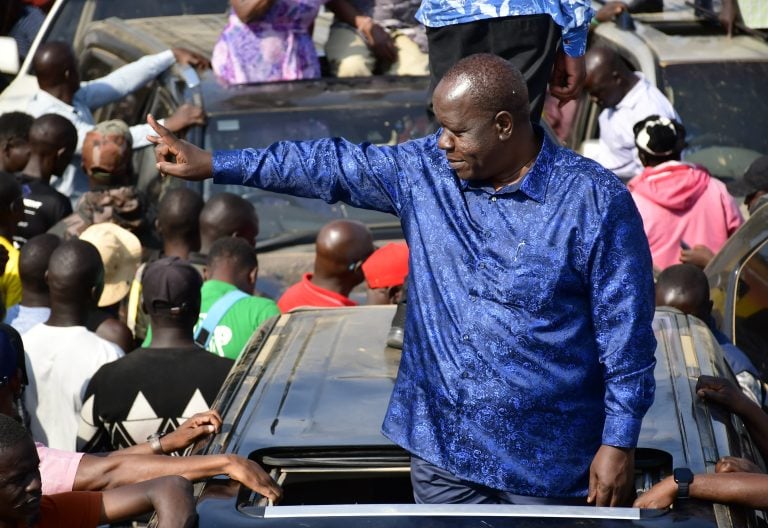
The Democracy for the Citizens (DCP) Secretary for Planning and Economic Affairs, Peter Mbae, has criticised the High Court judgment on former Deputy President Rigathi Gachagua’s impeachment.
Speaking in an interview on a local TV station on Wednesday, June 10, 2026, Mbae called it contradictory and accused the judiciary of failing to provide a proper constitutional remedy despite finding violations of fair hearing rights.
“Gachagua’s impeachment judgment is contradictory. How come the judges confirmed that his rights were violated but then did not provide a constitutional remedy? They acted outside the Constitution and decided to award him Ksh50 million. It does not work like that,” he said.
“We will go to the Court of Appeal and the Supreme Court to present our case of denial of a fair hearing. Justice has no price tag.”
You Might Also Like

His remarks come as the Senate prepares to escalate the matter to the Court of Appeal, setting the stage for a prolonged legal confrontation over the handling of Gachagua’s impeachment proceedings and the interpretation of constitutional fair hearing rights.
The Senate has confirmed that it will challenge the High Court ruling, which found that Gachagua’s rights were violated during the impeachment process.
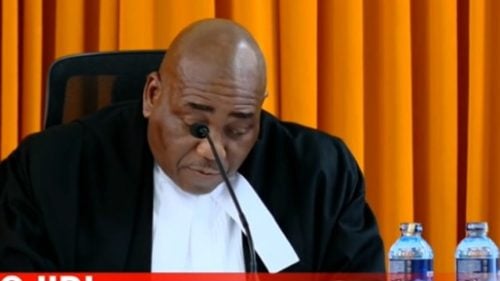
Senate Speaker Amason Kingi said the House had already instructed its legal team to obtain certified copies of the judgment and file a notice of appeal.
Kingi defended the Senate’s actions during the impeachment hearings, insisting that the House acted within its constitutional mandate and based its decisions on the information available at the time.
He disputed the court’s finding that the Senate should have granted an adjournment, arguing that the constitutional threshold for such a request was misinterpreted by the court.
According to Kingi, senators had been informed that Gachagua was expected to appear after a lunch break to testify.
However, upon resumption of the session, Senior Counsel Paul Muite informed the House that he was unaware of Gachagua’s whereabouts.
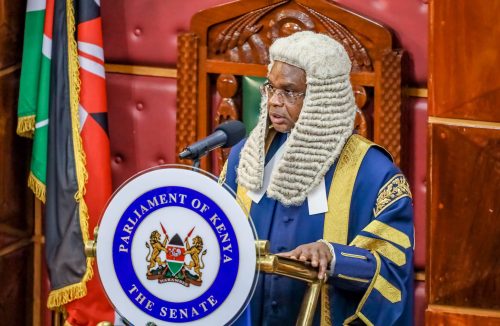
Kingi further stated that claims suggesting Gachagua had fallen ill were not supported by any evidence when the Senate requested proof during the proceedings.
“The Senate, as the impeachment court, decided not to grant the adjournment request in the particular circumstances of the day because of the absence of evidence or good cause presented to it,” Kingi said.
The High Court ruling has become a major flashpoint in Kenya’s political and legal landscape, with competing interpretations of whether the Senate upheld due process or infringed on constitutional protections during the impeachment process.
While Gachagua’s allies insist the ruling affirms violations of his rights, the Senate maintains that it acted lawfully and within its quasi-judicial authority.
The case is now expected to move to the Court of Appeal, with a possible further escalation to the Supreme Court, setting up a landmark legal battle that could shape future impeachment procedures and the enforcement of fair hearing rights in Kenya.
Author
Latest News





Advertisement
More on Inside Politics