ODM hellbent on zoning as SDC ratifies talks with Ruto’s UDA
By Aloys Michael, March 28, 2026The Orange Democratic Movement (ODM) has signalled a hardline stance on zoning even as its Special Delegates Convention (SDC) formally ratified the continuation of political talks with the United Democratic Alliance (UDA), setting the stage for a high-stakes realignment ahead of the 2027 General Election.
Key to the unfolding political drama is a growing internal and inter-party dispute over zoning, a strategy that allocates specific regions to particular parties to avoid splitting votes.
While ODM appears determined to protect its traditional strongholds through this mechanism, UDA leaders are pushing back, arguing for open competition across all constituencies.
“We want to increase our numbers in the next General Election from what we have today. We want to tell any party that we are associating with that our parliamentary numbers are not negotiable. We can negotiate on anything but not our parliamentary strength,” Junet declared.
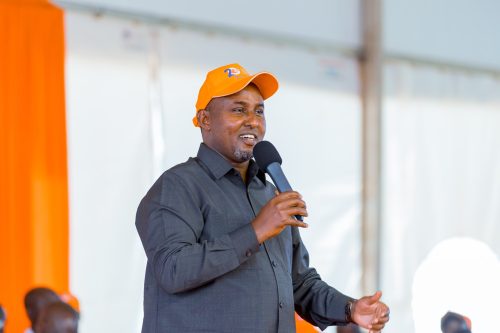
His remarks follow ODM’s broader strategy to enter any coalition arrangement from a position of numerical strength.
Junet also emphasised party discipline, warning members against undermining decisions made by internal organs.
“I want to urge our members and leaders, once the party organs have made a decision, please abide by those decisions. This is how we can be a party of rules and a party of the constitution,” he said.

The zoning debate, however, is proving to be a major fault line.
Within ODM, influential voices are pushing for the protection of party bastions. Peter Kaluma, the Homa Bay Town MP, argued that zoning is essential to preserving ODM’s influence.
“We must ensure that our bases and strongholds are ring-fenced and left for the ODM party, and zoning is going to occur. Without that, we will have no arrangement,” he asserted.
But across the aisle, UDA leaders are rejecting the idea outright. Hassan Omar, the party’s Secretary General, insisted that democracy must prevail over negotiated political protection.
“There is no zoning, and everyone will have to fight for themselves to win the seats. Let those with three votes bring them; those with 300 votes, let them bring them. You do not need to panic. Why should you be scared if this is your forte?” he posed.

Similarly, Kimani Kuria, the Molo MP, criticised zoning as detrimental to democratic growth.
“As much as we welcome the views of our brothers in ODM and other like-minded parties, personally, I am against this idea of zoning for a number of reasons. Zoning is the root cause of tribalism and lack of democracy in some regions in this country,” he argued.
Ruto’s charm offensive
The debate comes as President William Ruto intensifies efforts to consolidate political power under UDA to bolster his 2027 re-election bid, even as the opposition is keen to make him a one-term president.
His administration has already overseen the folding of Amani National Congress, associated with Prime Cabinet Secretary Musalia Mudavadi, into the ruling party. Other affiliates linked to Moses Wetang’ula, Amason Kingi and Alfred Mutua are facing mounting pressure to follow suit.
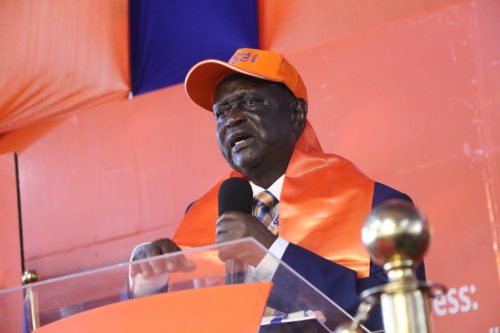
Meanwhile, opposition figures are regrouping under a new umbrella, the United Alternative Government, bringing together leaders such as Kalonzo Musyoka, Martha Karua and Fred Matiang’i.
Against this backdrop, ODM’s insistence on zoning reflects deeper anxieties about political survival and influence. While proponents see it as a strategic necessity to maximise votes and secure legislative dominance, critics warn it risks entrenching ethnic divisions and undermining competitive democracy.
As coalition talks between ODM and UDA gather momentum, the zoning question is emerging as a defining test.
Whether the two political giants can reconcile their fundamentally different approaches may ultimately determine the shape of the country’s political game heading into 2027.