Advertisement
Inside zoning dilemma rocking parties ahead of coalition talks
Wednesday 18th March, 2026 07:21 AM|

A fierce internal debate over zoning is emerging as a major stumbling block ahead of anticipated coalition talks between President William Ruto’s United Democratic Alliance (UDA) and the Orange Democratic Movement (ODM), exposing deep divisions within both camps and across the wider political landscape.
Ruto, who is seeking to consolidate political strength ahead of the 2027 elections, has already embarked on an aggressive plan to absorb smaller parties into UDA.
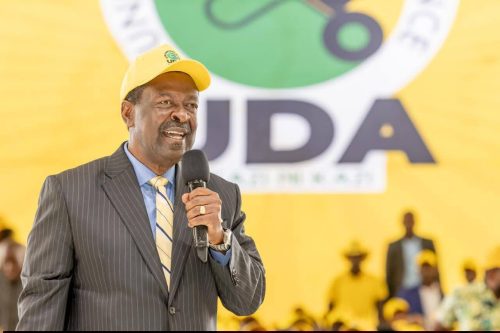
Key allies such as Prime Cabinet Secretary Musalia Mudavadi’s Amani National Congress have folded into the ruling outfit, while parties linked to Moses Wetang’ula, Senate Speaker Amason Kingi and Alfred Mutua face mounting pressure to follow suit.
At the same time, opposition leaders are reorganising under a new umbrella dubbed the United Alternative Government, bringing together figures such as Kalonzo Musyoka, Rigathi Gachagua, Martha Karua, Eugene Wamalwa, Justin Muturi, Peter Munya and Fred Matiang’i.
You Might Also Like



But even as both sides push to strengthen their alliances, the question of zoning, a strategy that allocates specific regions to particular parties to avoid internal competition, is triggering sharp disagreements.
Proponents argue that zoning is essential to protect political strongholds and maximise parliamentary numbers, a key factor in coalition bargaining power and access to public funding. By allowing dominant parties to field candidates in their perceived bases, they say, alliances can avoid splitting votes and handing an advantage to rivals.
Mixed reactions on zoning
However, critics warn that the approach undermines democracy and entrenches ethnic politics.
“As much as we welcome the views of our brothers in ODM and other like-minded parties, personally I am against this idea of zoning for a number of reasons,” Molo MP Kimani Kuria argues.
“Zoning is the root cause of tribalism and lack of democracy in some regions in this country.”
UDA Secretary General Hassan Omar backs the sentiment, insisting that all candidates should face off at the ballot.

“There is no zoning, and everyone will have to fight for themselves to win the seats. Let those with three votes bring them; those with 300 votes, let them bring them. You do not need to panic. Why should you be scared if this is your forte?” he posed.
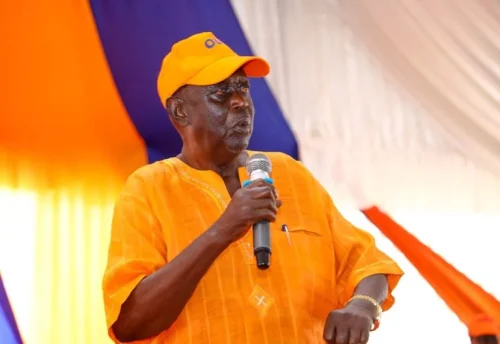
Within ODM, however, there is growing resistance to a free-for-all approach. Leaders fear that opening up their traditional bases could dilute their influence and weaken their negotiating position in any coalition arrangement.
“We must ensure that our bases and strongholds are ring-fenced and left for the ODM party, and zoning is going to occur. Without that, we will have no arrangement,” argues Homa Bay Town MP Peter Kaluma.
ODM’s quagmire?
ODM’s position is closely tied to its long-term strategy of maintaining strong parliamentary numbers. Minority Leader Junet Mohamed has made it clear that the party views its legislative strength as non-negotiable.
“We want to increase our numbers in the next General Election from what we have today. We want to tell any party that we are associating with that our parliamentary numbers are not negotiable. We can negotiate on anything but not our parliamentary strength,” he said.
The issue is expected to feature prominently at ODM’s upcoming National Delegates Convention (NDC), where the party will formalise its position on potential coalition talks with UDA.
“We have given our party leader the mandate to come up with the plan, and all those issues of zoning you are raising will be part and parcel of the deliberations,” Junet said.
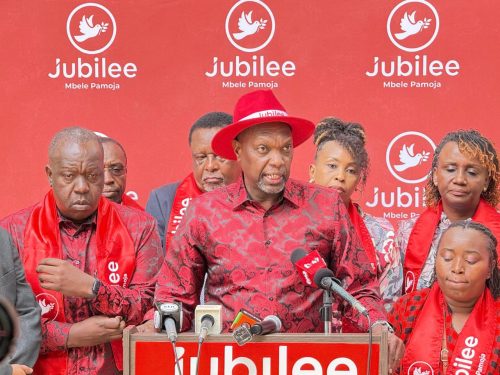
Meanwhile, similar tensions are playing out within the opposition coalition, particularly in the vote-rich Mt Kenya region. Jubilee and Gachagua’s Democratic Change Party (DCP) are locked in a contest over political dominance.
Jubilee vice chairman Jeremiah Kioni has dismissed zoning, arguing that open competition strengthens democracy and coalition unity.
“We are happy with how Gachagua is dealing with Ruto, but the fact that we are in a coalition does not mean we should not sell our candidates to the people,” Kioni said.
“We, as Jubilee, know Mt Kenya is our stronghold, and we will do everything possible within our power to paint the region red.”
On his part, Gachagua has been rallying the region to consolidate support under DCP, signalling a parallel push for dominance.
Still, some opposition figures are proposing a compromise, limiting zoning to major urban centres with diverse populations. DCP party leader Cleophas Malala says only five cosmopolitan counties would be exempt.
“We have only spared the five cities in Kenya where we have a cosmopolitan effect and where we can jointly field candidates. That’s Nairobi, Mombasa, Kisumu, Eldoret and Nakuru counties,” he said.
Author
Latest News






Advertisement
More on Inside Politics
