Advertisement
Murkomen defends fuel levy, says it revives roads and creates jobs
Saturday 23rd May, 2026 11:10 PM|

Interior Cabinet Secretary Kipchumba Murkomen has defended the government’s fuel levy, arguing that the controversial charge has enabled stalled road construction projects to resume nationwide and has created employment opportunities for thousands of young people.
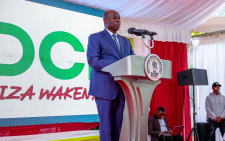
Speaking on Saturday, May 23, 2026, during the Bahati-Subukia Youth and Women Empowerment Initiative in Nakuru County, Murkomen said the government was balancing the need to cushion Kenyans from rising fuel prices with the need to finance critical development programmes.
The CS attributed the recent rise in fuel prices partly to instability in the Middle East, saying the government was working to manage the impact without crippling key sectors of the economy.
“The challenge of fuel prices has been occasioned by the crisis in the Middle East, but the Government is doing everything possible to address it without undermining development and crucial public services,” Murkomen said.
You Might Also Like
He defended the levy against critics calling for its removal, insisting the funds were directly supporting road infrastructure projects and payments to contractors nationwide.
“Those opposing the Government want the levy removed so that we are unable to pay contractors, road construction stalls, and our youths lose job opportunities,” he said.
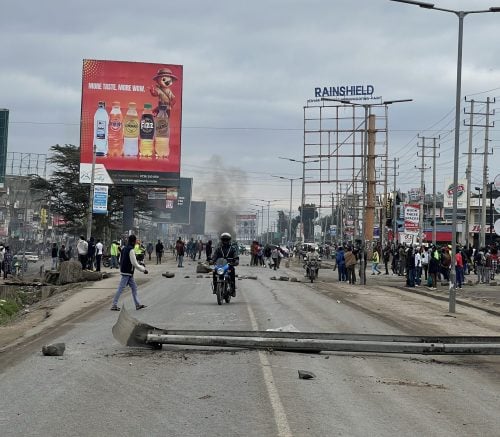
Murkomen maintained that infrastructure development remained central to the government’s economic agenda and warned that reducing revenue streams would negatively affect ongoing projects and employment creation.
This comes amid a push by different stakeholders for the removal of the Road Maintenance Levy and Zero rating of fuel as Parliament prepares to hear Kiharu MP Ndindi Nyoro’s proposals to cut fuel taxes.
For instance, in his submission to Parliament, Nyoro proposed two key interventions aimed at lowering retail fuel prices for super petrol, diesel and kerosene.
The first proposal seeks to reduce the Road Maintenance Levy Fund charge by Ksh7 per litre through revocation of the 2024 levy order that increased the charge from Ksh18 to Ksh25 per litre.

The second proposal seeks to amend the VAT Act by removing petroleum products from taxable supplies and classifying them as VAT-exempt products, effectively reducing VAT on fuel from the current eight per cent to zero.
“These amendments are short-term measures aimed at reducing the inflationary and sticky economic effects arising from the current high fuel prices,” Nyoro stated in his letter.
He has also proposed reducing the profit margins of importers and distributors, currently capped at Ksh17.39 per litre for super petrol and Ksh17.31 for diesel, alongside an additional subsidy of Ksh5 billion exclusively for petrol fuel.
“The measures will reduce the price of diesel by approximately Ksh54 per litre,” he said.
The proposals come amid growing public anger over fuel costs following the May 14, 2026, review by the Energy and Petroleum Regulatory Authority (EPRA).
Author
Latest News




Advertisement
More on Inside Politics