Advertisement
MP Mbui dismisses 97% Grade 10 placement claims amid admission delays
Monday 19th January, 2026 08:10 AM|

Kathiani Member of Parliament (MP) Robert Mbui has dismissed reports claiming that 97 per cent of learners have been placed in Grade 10, saying the reality on the ground tells a very different story for parents, students and schools.
This follows reports that the country has recorded considerable progress in implementing its 100 per cent School Transition Policy, according to a recent report by the National Government Administrative Officers (NGAOs).
In an interview on a local TV station on Monday, January 19, 2026, Mbui said the placement figures being celebrated by government agencies do not reflect what is actually happening in many public schools. He questioned how such high percentages could be reported when schools themselves are admitting far fewer learners than their approved capacity.
“I was in a school just last week. This is a school with an admission capacity of over 200 students, but the principal told us they had only admitted 70,” the legislator said.
You Might Also Like


According to the MP, this gap is one of the clearest signs that Grade 10 placement is far from complete, adding that many learners who have technically been placed are yet to be admitted, while others are still waiting at home with no clear direction.
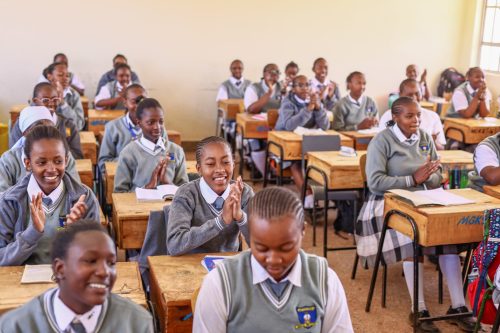
Mbui also linked the crisis to delays and confusion in the new placement system, arguing that students have been turned into test subjects.
“This idea of using Kenyans as guinea pigs all the time, trying new things on them without going through due process, that is a mess,” he said.
He revealed that the Ministry of Education quietly extended the placement window after complaints from parents and learners.
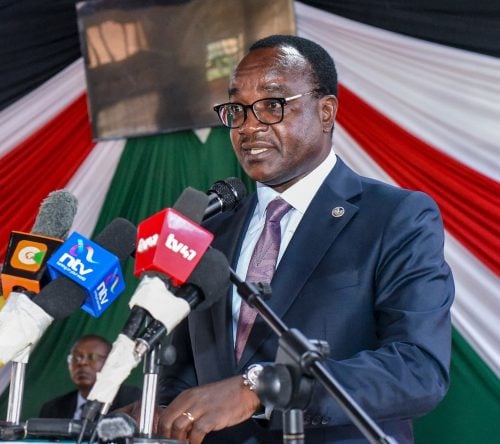
“They said, now apply again, now you can make changes because you have been put in a day school far from home,” Mbui noted, adding that this admission alone shows the system did not work as planned.
The MP further claimed that the ministry has now allowed principals to resume direct involvement in admissions, a move he says contradicts earlier criticism of the old system.
“If the old system was bad, why are we falling back to it? The system where principals were involved in placement was okay, and that is what we needed to go back to,” he stated.
Grade 10 drawbacks
Infrastructure gaps, Mbui warned, are another major obstacle to successful transition into senior secondary school. He said many schools lack the facilities required under the new curriculum pathways.
“The new system requires a lot more infrastructure that we do not have. We are admitting children into schools that are not ready for these pathways.”
He cited sports pathways as an example, noting that some schools in hilly and remote areas have been approved to offer sports courses despite having no playing fields.
“You go to my constituency and look for schools up in the hills. None of them can have a field, yet they are allowed to offer that course,” he said.
Grade 10 placement
According to the report, 97 per cent of learners who completed Grade 6 in 2025 have successfully moved on to Junior Secondary School (JSS) in what is a near-universal compliance with the Competency-Based Curriculum framework.

The report suggests that Kenya’s high transition figures were reflective of a strong collaboration between government, agencies, schools and parents.
The CBC system was initially rolled out in 2017, as part of a broader shift from the old 8-4-4 system. The new curriculum placed emphasis on holistic learning and continuous assessment, effectively replacing exam-centric progression to prepare learners for junior secondary and beyond.
“We reaffirm the Government’s commitment to full transition as a national imperative: every child has a human and constitutional right to education, and we all should work together to avoid preventable dropouts driven by cost barriers, delayed placement, or social vulnerabilities,” a statement from the Ministry of Interior and National Administration read.
“This progress reflects more than compliance; it reflects a growing national culture that recognises education as the most reliable path to productivity, opportunity, and national transformation.”
While the government are delighted with the strides made in transitions to JSS, the Interior Ministry also acknowledged that efforts are needed to continue to reach the remaining learners who are yet to complete placement processes.
Author
Latest News








Advertisement
More on Inside Politics