Advertisement
Matiang’I: I will not do business with govt, not even my children
Wednesday 29th April, 2026 01:12 PM|

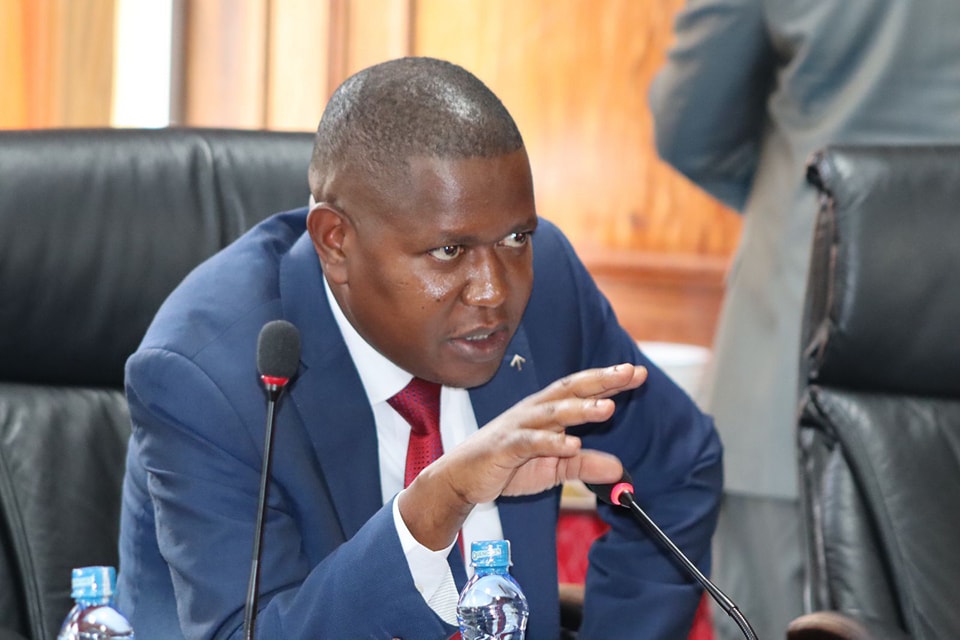
Jubilee Deputy party leader Fred Matiang’i has declared he will never engage in business with the government, positioning himself as a reform-minded leader amid growing scrutiny of President William Ruto’s administration over corruption and governance concerns.
Speaking during a local radio interview on Wednesday, April 29, 2026, Matiang’i struck a firm tone on integrity, arguing that Kenya’s corruption crisis is not due to weak laws but a failure of leadership.
His remarks come at a time when the government faces mounting pressure over reported graft and wastage linked to Public-Private Partnership (PPP) deals and flagship programmes such as affordable housing, the Social Health Authority (SHA) and E-Citizen.
“In matters of corruption, we do not need new laws; we have enough. We also do not need new commissions because we have enough. What we need is honest, forthright and courageous leadership to deal with this problem,” Matiang’i said.
You Might Also Like


“You cannot fight corruption if you are the problem, because you cannot tell people to stop doing what you do every day.”
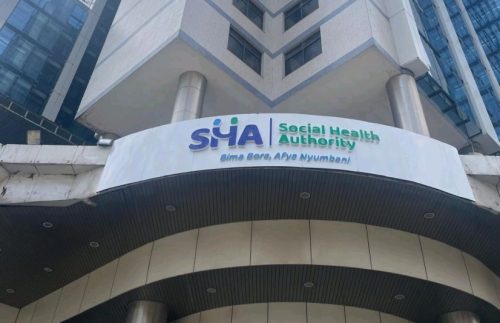
But, for instance, the government has dismissed claims of a Ksh11 billion loss through the digital system running the Social Health Authority (SHA).
Speaking on Friday, February 27, 2026, during the Assessment and Planning Retreat with Senators in Naivasha, Health Cabinet Secretary Aden Duale clarified that the funds in question were rejected claims.
“Speakers and senators, we must confront the narrative of the alleged loss of Ksh11 billion, and today I want to set the record straight. I want to categorically state that there is no loss of the Ksh11 billion in SHA,” Duale said.
Duale clarified that the amount, which now stands at Ksh12.7 billion, represents claims that were flagged, rejected, or left unpaid by SHA’s enhanced digital verification system.

“This figure currently stands at Ksh12.7 billion as of today, representing the claims that were flagged, that we rejected, and the claims that were unpaid by our digital superhighway gatekeeper,” he added.
Matiang’i framed his stance against doing business with the state as a moral imperative, arguing that leaders must avoid conflicts of interest to maintain credibility.
“I have no interest in money, and I am not looking for money. I have to lead by example. I do not want to do business with the government,” he said.
“I promise Kenyans that if they give me the mandate, I will not do business with the government, not even my children will, because it denies you the moral authority to manage the government.”
How to fix Kenya
His comments come as Parliament recently adopted amendments to the Conflict of Interest Bill, following reservations by President Ruto.
The revised law seeks to tighten disclosure requirements, broaden the definition of conflicts of interest, and empower the Ethics and Anti-Corruption Commission (EACC) to pursue forfeiture of unexplained wealth.
The legislation introduces stricter reporting rules, including mandatory disclosure of gifts received by relatives of public officers within 48 hours, and defines undeclared assets more robustly. It also expands what constitutes a conflict of interest to include situations where private interests could reasonably impair a public officer’s judgment.
However, the Bill has drawn criticism after lawmakers watered down some provisions, a move that has been reported to have delayed the disbursement of critical budget support financing from the World Bank. Governance reforms tied to the funding were intended to enhance transparency and accountability.

Matiang’i argued that without firm enforcement and political will, even the strongest laws would remain ineffective, pointing to entrenched corruption in key sectors, singling out the sugar industry as a long-standing example of systemic failure.
“There is an inconvenient truth that is usually not spoken about over the years: the sugar industry in Kenya has provided a safe haven for cartelism and corruption. When people have access to power, it becomes an easy option to get involved,” he said.
He questioned why private sugar firms continue to thrive while state-owned mills struggle, citing the case of Mumias and broader PPP arrangements.
“Kenya needs a leader who will look at those fellows and tell them you cannot do this, goodbye, so that local people and farmers get the opportunities they need.”
The former Interior Cabinet Secretary also weighed in on recent audit concerns raised by Auditor General Nancy Gathungu regarding Ksh206 billion processed through the government’s eCitizen platform.

The audit flagged unsupported balances, missing documentation and system gaps in the portal, which serves as the primary gateway for public services.
“Some things like the eCitizen make one think that we need to close this country because nothing is happening positively,” Matiang’i remarked.
Concerns extend to liabilities, where Ksh618 million and an additional Ksh3 billion in payables could not be verified due to unexplained variances.
The report also flags a mismatch of Ksh299 million in convenience fees linked to the immigration department, raising questions about revenue reconciliation.
“Ksh402 million was paid for support and maintenance services before contract formalisation, casting doubt on procurement processes,” the report reads.
Author
Latest News





Advertisement
More on Inside Politics