Advertisement
Maraga promises to turn youth creativity into bankable wealth
Tuesday 02nd September, 2025 11:30 AM|
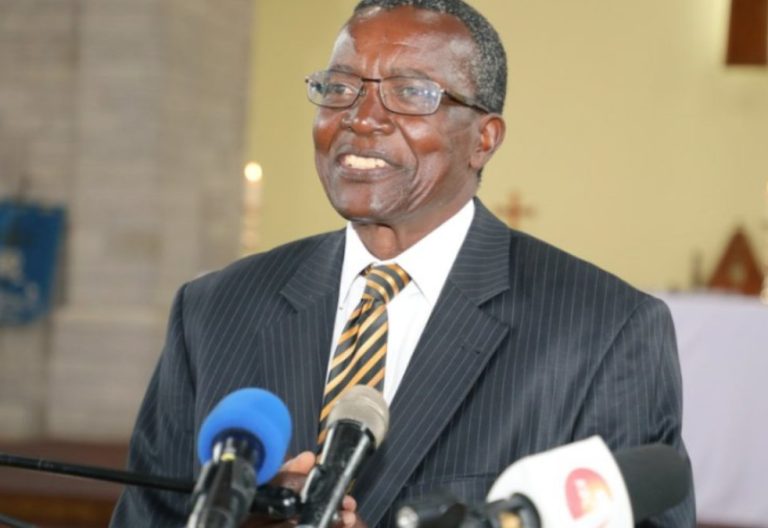
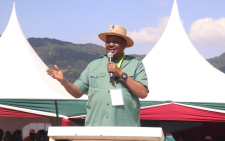
Former Chief Justice and presidential hopeful David Maraga has placed youth innovation at the centre of his economic recovery plan, promising to turn Kenyan creativity into a source of wealth and employment if elected president.
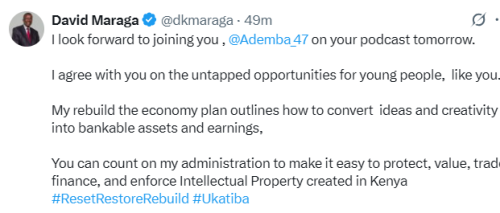
Speaking in a post on his official X account on Tuesday, September 2, 2025, Maraga said that his proposed Rebuild the Economy Plan is designed to unlock the untapped opportunities among young people by ensuring that ideas and innovations are not only recognised but also transformed into bankable assets.
“I agree on the untapped opportunities for young people. My rebuild the economy plan outlines how to convert ideas and creativity into bankable assets and earnings. Count on my administration to make it easy to protect, value, trade, finance, and enforce Intellectual Property created in Kenya,” Maraga said.
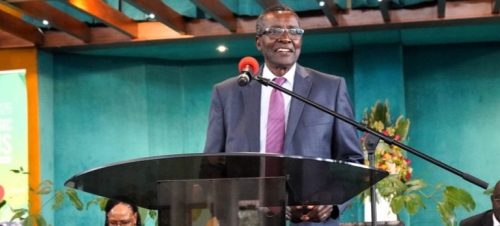
Protecting innovation and driving youth empowerment
Maraga emphasised that Kenya’s youth have consistently showcased their talent across diverse sectors, ranging from technology and digital content creation to the arts, agriculture, and innovation hubs. However, he noted that the country continues to lose out because of weak protection of intellectual property and a lack of structured support systems.
You Might Also Like



“Young Kenyans have proved that they are brilliant, but without proper legal protection and access to finance, their innovations end up wasted or stolen. This must change,” Maraga stressed.
His plan seeks to strengthen intellectual property (IP) laws, make patenting and copyright registration more affordable, and establish systems that enable young innovators to access markets and secure funding for their projects.
Linking creativity to national growth
Maraga also tied his proposal to broader economic development, saying that valuing creativity is not just about the youth but about transforming Kenya into a globally competitive economy. He argued that with the right policies, Kenya could export technology, art, music, and other creative works while creating millions of jobs locally.
“This is not charity to the youth. It is an economic strategy. If we protect, finance, and trade intellectual property, we create jobs, wealth, and respect for Kenya on the global stage,” he explained.
His remarks come at a time when unemployment and economic hardship have dominated public debate, with young people expressing growing frustration over limited opportunities. By linking intellectual property to economic growth, Maraga appears keen on positioning himself as the candidate ready to give the youth a seat at the table of national prosperity.
Author
Latest News




Advertisement
More on Inside Politics