Advertisement
Ledama: ODM will join coalition with UDA as equal partner, not subordinates
Saturday 28th February, 2026 05:26 PM|

Narok senator Ledama Olekina has stipulated that the Orange Democratic Movement (ODM) will not enter into a coalition agreement with the ruling side, the United Democratic Alliance (UDA), as a subordinate force but as an equal partner before the 2027 general elections.
Ledama Olekina has said that the party has a strong negotiating hand and that the party is solidly united, disputing rumours of being split.
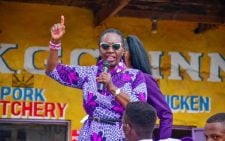
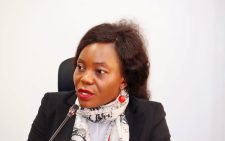
In a speech delivered at Principal Secretary Judith Pareno’s Thanksgiving ceremony in Mashuru, Kajiado County, on Saturday, February 28, 2026, Ledama rejected the argument that ODM was weak. He insisted that the party is stable, well organised and can negotiate on a strong platform as it considers working with the ruling United Democratic Alliance (UDA).
“We, as ODM, are not going to sit with UDA as subordinates. We are going as equal partners, and there is no day we shall agree to be out of government again, and that is why we are supporting President William Ruto,” Ledama said.

You Might Also Like
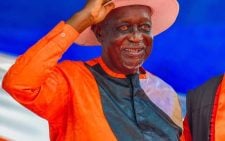
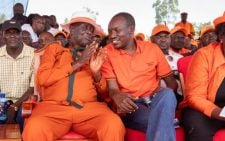
His statements follow a time when top ODM political leaders have been gradually indicating that they were willing to collaborate with President Ruto and his government, quite unlike the historic stance of opposition of the party.
The statement made by Ledama highlights the strategic repositioning of ODM before 2027 as the party tries to establish power in the government while maintaining its political identity. The comments are also indicative of the changing relations between ODM and UDA, with the two parties making hesitant overtures to each other that would remake politics in Kenya, provided that such relations are formalised into a coalition agreement.
Growing internal split within ODM
Ledama’s statement is in the context of an internal rift that is cropping up in the ODM party in regard to the political path the party is taking, as well as its ties with the current administration led by President Ruto.
Part of the ODM leaders who have allied with the party leader, Oburu Odinga, have advocated systemised cooperation with the government on the basis that co-operation would help the party to remain politically viable and allow its supporters to enjoy development and state opportunities.
This group perceives coalition talks as a practical approach in order to retain power before the 2027 elections.
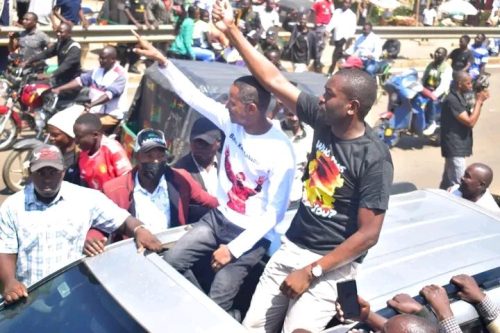
A second group under outspoken Secretary General Edwin Sifuna has, however, assumed a more conservative and even critical approach to a closer relationship with UDA. Sifuna and his supporters have cautioned that ODM is to lose its identity and credibility as a reformist party should it seem to be wholly integrated into the governing elite.
They have demanded such cooperation to safeguard the political strength and independence of the party. The division has also been seen in the difference in message to the people, with some ODM leaders openly defending the agenda of the government as compared to the others still denouncing major policies and governance decisions.
Author
Latest News


Advertisement
More on Inside Politics