Advertisement
Watu bure sana: Ruto mocks opposition after Finance Bill 2026 debate clash in Parliament
Monday 22nd June, 2026 03:24 PM|

President William Ruto has intensified his criticism of the opposition following the heated parliamentary debate and passage of the Finance Bill 2026, dismissing his rivals as ineffective and accusing them of being embarrassed during House proceedings over their objections to the legislation.
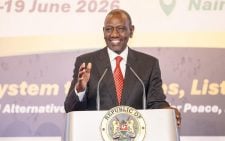
Speaking during an event in Kirinyaga on Monday, June 22, 2026, Ruto mocked opposition lawmakers over their performance during the Finance Bill debate in Parliament, claiming they failed to substantiate their arguments when challenged on the floor of the House.
He argued that opposition MPs could not defend their positions when asked to cite specific provisions in the Bill.
“Juzi wameenda hapo bunge, wamepeleka propaganda na uongo, wakaibishwa huko bunge wakati waliulizwa hiyo unayosema ni kipengele nambari ngapi. Wakakosa kujibu kwasababu ni watu bure sana. Watu wako chini,” Ruto said.
You Might Also Like

He added that the opposition lacked substantive policy grounding, saying they were unable to engage meaningfully when questioned during deliberations.
Finance Bill 2026 passes after heated debate
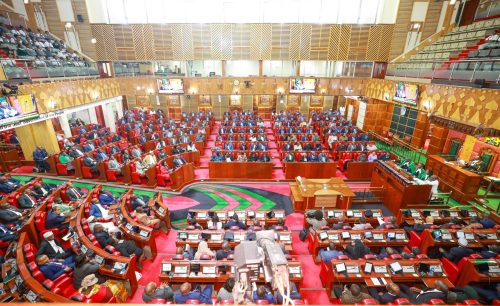
Ruto’s remarks come just days after the National Assembly passed the Finance Bill 2026 following a tense and politically charged legislative process.
According to parliamentary records, the Bill was approved at the Third Reading with 122 MPs voting in support and 40 voting against, with no abstentions recorded.
The legislation now awaits presidential assent.
The Bill’s passage followed weeks of intense debate marked by sharp exchanges between government and opposition MPs over proposed tax measures and their potential impact on the cost of living.
Opposition raised concerns over rushed process
Opposition lawmakers have consistently accused the government of fast-tracking the Bill through Parliament, arguing that MPs were not given adequate time to scrutinise its provisions.
They claim the legislative process limited meaningful public participation and parliamentary oversight, especially given the complexity of the tax proposals under review.
During debate sessions, opposition MPs also raised concerns about alleged hidden or indirect tax burdens embedded within the Bill, warning that it could increase pressure on households already facing high living costs.
What the Finance Bill 2026 contains
The Finance Bill 2026 introduces amendments to key tax laws, including provisions affecting the Income Tax Act, VAT Act, and Excise Duty frameworks.
Government officials have defended the Bill as part of broader efforts to expand revenue collection, seal tax loopholes, and support funding for public services such as infrastructure, healthcare, and education.
Treasury has maintained that the measures are aimed at strengthening fiscal stability without imposing excessive new burdens on ordinary citizens.
Rising political tension ahead of implementation
The President’s latest remarks add to growing political tension surrounding fiscal policy debates in Parliament, with the opposition signalling continued resistance to certain provisions even after the Bill’s passage.
The sharp exchange reflects a broader struggle between the government and opposition over economic policy direction and control of public narrative ahead of the next electoral cycle.
With the Bill now headed to the President for assent, attention is shifting to how its implementation will affect households, businesses, and Kenya’s broader economic outlook.
Author
Mustafa Juma
View all posts by Mustafa JumaLatest News


Advertisement
More on Inside Politics