Advertisement
Kirwa faults govt over rising targeting of Kenyans in Tanzania, Uganda
Monday 10th November, 2025 07:32 AM|

Former Agriculture Cabinet Minister Kipruto Arap Kirwa has faulted the Kenyan government for what he termed slow response to cases of Kenyans facing harassment and detention in Tanzania and Uganda.
Speaking during a TV interview on November 10, 2025, Kirwa said the treatment of Kenyan citizens abroad raises concerns over the government’s fulfillment of its duty to protect its nationals.
Also Watch: 2 Kenyans shot at Namanga border amid Tanzania election protests
Government’s role in citizen protection
Kirwa said the state carries the responsibility of safeguarding its people both within and outside the country.
You Might Also Like

“It’s very interesting the way we treat our citizens because you see the prime responsibility of any regime or any government in power is the protection of the people of the country whether they are here or abroad and also protection of their property,” he said.
Also Watch: Avoid Tanzania Protests – Governor Ole Lenku Urges Kenyans to Maintain Peace
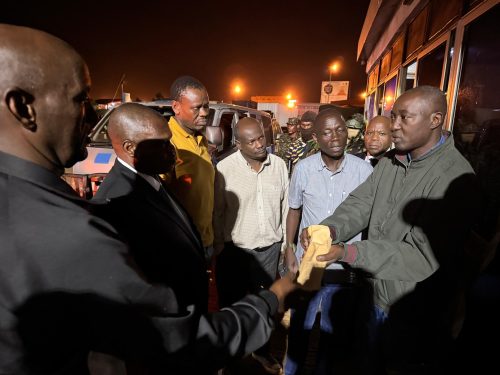
His remarks followed the recent release of activists Bob Njagi and Nicholas Oyoo, who were abducted in Uganda on October 1 and held for 39 days. Prime Cabinet Secretary Musalia Mudavadi said sustained diplomatic engagement contributed to their release.
“Following sustained diplomatic engagement between Kenya and Uganda, including a formal letter I personally addressed to Hon. Gen. Odongo Jeje Abubakhar, Minister of Foreign Affairs of the Republic of Uganda, both governments maintained open and constructive communication that has culminated in the safe release of our nationals,” Mudavadi said.
Concerns over regional relations
Kirwa warned that repeated incidents of targeting Kenyans could undermine the goals of the East African Community (EAC).
“You see if whatever we are reading now through the media is that Kenyans are being targeted in Tanzania and even to a certain extent by the regime in Uganda is a very dangerous phenomenon given the fact that we ought to be talking of regional integration,” he said.
He noted that the EAC now includes countries such as DRC, South Sudan and Somalia alongside Rwanda and Burundi.
Kirwa also accused Tanzanian leadership of fostering hostility towards Kenyans. He said such tensions weaken trade cooperation, arguing that Africa still struggles with low levels of intra-African trade.
Regional political climate
Kirwa linked rising tensions to political conditions across the region. He referred to what he described as violent and disorganized elections in Tanzania and predicted possible instability in Uganda and Kenya.
He said leaders must recognise that political power is not permanent. “The only thing that is permanent is that change is inevitable,” he said, urging citizens not to be intimidated by leaders who believe they “own the country.”
Author
Latest News







Advertisement
More on Inside Politics