Advertisement
Kericho Senator dismisses ID as a mere piece of paper none should be denied
Saturday 27th September, 2025 04:27 PM|
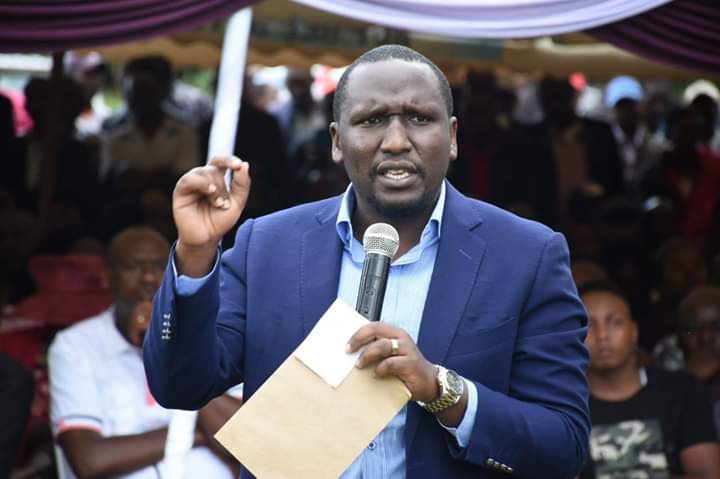
Kericho Senator Aaron Cheruiyot has criticised the treatment of national identity cards in Kenya, calling them nothing more than a piece of paper that should never be used to deny people opportunities.
Speaking on Saturday, September 27, 2025, during the Economic Empowerment Engagement in Wajir, Cheruiyot accused those who oppose recent government reforms.
Also Watch: Wewe mwenyewe ni quarter term na unaitishia wengine ati ni one-term,” Sen. Aaron Cheruiyot
“Ukitaka kujua kweli hii watu wako na madharau, rais alipokuja hapa hivi majuzi alitangaza kuondolewa kwa ile maneno ya kipande. Ati watu wanapiga kelele. Yaani kipande ni kitu ya kunyima mtu? Karatasi peke yake?” he posed.
You Might Also Like


The Senator said Kenyans must reject systems that discriminate on the basis of documents. He stressed that access to opportunities such as jobs and military recruitment should be equal across all parts of the country.
“Hiyo maneno ya upuzi hatutaki katika taifa letu la Kenya. Vijana mko, si ata nyinyi ni wakenya? Na kila kitu ambaye inapeanwa kule. Iwe ni kazi kwa vijana, iwe ni recruit,emt ya askari wetu na jeshi na kila kitu ifanyike hapa, kama vile inafanyika kona zote za taifa la Kenya,” he added.
Cheruiyot’s remarks came in support of the government’s decision to scrap discriminatory vetting processes for identity cards, especially in northern Kenya. For decades, residents of Wajir, Mandera, and Garissa have complained of tedious procedures that subjected them to unfair treatment.
Also Watch: Senator Aaron Cheruiyot urges MPs to take pay cuts, reject SRC’s proposed salary increments
Historic reforms, security fears
Deputy President Kithure Kindiki has also earlier backed President William Ruto’s reforms, describing them as historic. He said Ruto would be remembered as the first Kenyan leader to make access to IDs equal for all citizens.
“Wakenya wote wanapata vitambulisho kupitia utaratibu mmoja, na Rais Ruto ataingia katika kumbukumbu za historia kama rais aliyeondoa ubaguzi katika masuala ya vitambulisho katika taifa letu la Kenya,” Kindiki told residents in Elwak, Mandera County, during an economic empowerment forum on August 23, 2025.
The Deputy President said the reforms had restored dignity, especially among young people who had long struggled to get identification documents. He noted that ending the vetting process was part of a wider plan to unify the country.

However, not everyone views the changes without concern. Analysts argue that President Ruto’s decision to abolish the six-decade-old vetting system in border areas is both bold and risky. For years, the requirement was seen as a safeguard against militants and illegal migrants obtaining Kenyan IDs. Critics now warn that while the reforms end discrimination, they may also create security gaps. As one former security official put it:
“This is not just paperwork – it’s a national security matter with political consequences.”
Kindiki, on his part, has tried to ease such fears by pointing to major projects aimed at opening up the region, including the construction of the Mandera–Isiolo road. He said the project would integrate the North Eastern region with the rest of the country, boost trade, and improve security.
“Last year, when the President visited Mandera, he pledged to build a road from Mandera through Wajir and Garissa to Isiolo, joining the highway to Nairobi. Many thought it was just political talk, but today the construction works are ongoing,” he said.
Author
Kenneth Mwenda
Kenneth Mwenda is a business, sports, and politics digital writer with over seven years of experience in journalism, covering breaking news, feature stories, and in-depth analysis across a range of beats.
For inquiries, he can be reached at [email protected]
View all posts by Kenneth MwendaLatest News





Advertisement
More on Inside Politics