Inside ODM’s firestorm ahead of NDC as supremacy battle deepens
By Aloys Michael, March 6, 2026Fresh political tensions are sweeping through the Orange Democratic Movement (ODM) as the party prepares for a special National Delegates Convention (NDC) scheduled for March 27, 2026.
Leaders hope the meeting in Nairobi will steady the party after months of internal disagreements. Still, the agenda before delegates suggests a bigger struggle over power and direction inside one of Kenya’s largest opposition parties.
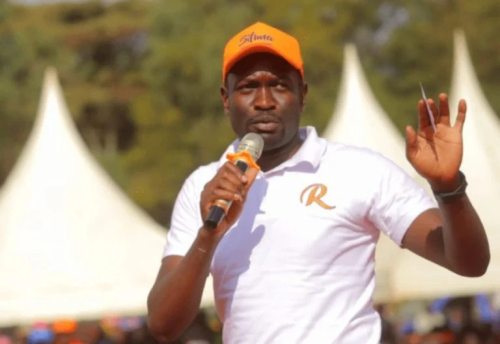
Key in the dispute is the controversial decision by the party’s National Executive Committee (NEC) to remove Nairobi Senator Edwin Sifuna as Secretary General. The move triggered an immediate backlash from several ODM lawmakers who argue that the process violated the party’s constitution and ignored key consultation structures within the movement.
The standoff now threatens to overshadow the convention, which will bring together hundreds of delegates from multiple party organs.
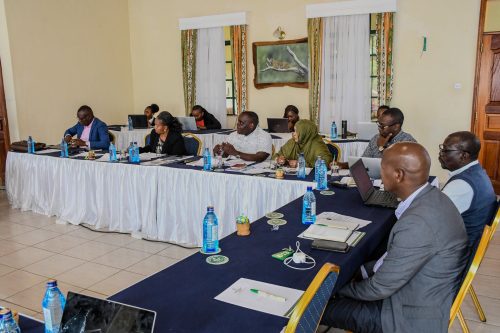
According to a notice issued by acting Secretary-General Catherine Omanyo, representatives will come from the NEC, the parliamentary group, governors and their deputies, as well as the youth and women’s leagues.
Yet beneath the formal preparations lies a deeper contest about how ODM should manage its leadership transition and review its influential 10-point agenda, which is now under heavy scrutiny with all eyes awaiting the full submission of the report by the implementing committee.
10-point agenda
Supporters of Sifuna say his removal was rushed and unnecessary, especially at a moment when the party needs a strong public voice, warning that the decision risks deepening divisions within the party base and confusing supporters about who truly speaks for ODM.
The dispute has also revived debate about how the upcoming NDC should be conducted. Critics argue that the gathering should allow competitive elections for national officials instead of simply confirming interim leaders already approved by the National Governing Council in 2025.
Vihiga Senator, who is also the faction’s Deputy leader, Godfrey Osotsi, has been among the most vocal figures raising concerns about the structure of the convention.
“As they publish the notice of the meeting, let them publish the list of delegates expected to attend the NDC,” he said in an interview with a local TV station.
He argues that transparency over delegates is essential because the party constitution limits the number attending the convention to three thousand. Without clarity on representation, critics fear the process could raise further legal and political questions about the legitimacy of decisions taken there.
ODM jitters
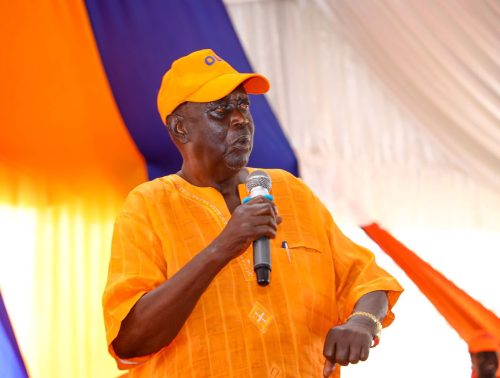
Despite the criticism, leaders allied to acting party chief Oburu Oginga insist the convention will offer a democratic opportunity to settle the dispute.
“We are going to have our NDC. Those who have been saying Oburu is an illegitimate ODM party leader because he was not confirmed by NDC, we have called the meeting on March 27, and we are inviting them to come and say it there,” he said.
For many observers, the statement signalled confidence within the camp backing the interim leadership. They believe the delegates will ultimately endorse the team currently steering the party, including governors and senior lawmakers who argue stability is necessary before any competitive elections are held.
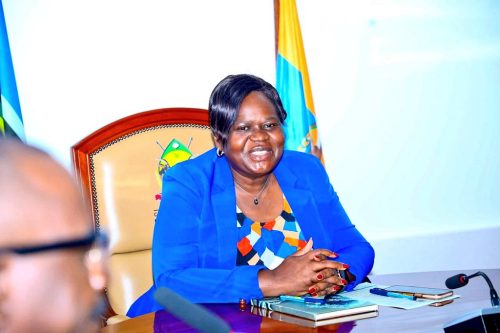
Homa Bay Governor Gladys Wanga, who chaired the NEC meeting that discussed preparations for the convention, has also defended the process even as she backed the decision to place limited agenda items before delegates in order to avoid further internal confrontation at the gathering.
Moreover, the National Assembly Minority Leader Junet Mohammed echoed that position after the latest planning meeting.
“We majorly discussed the issue of NDC. I want to confirm that we are prepared and ready to hold the meeting and take the party forward. The NDC will give policy direction on some of the pending issues,” he said.

Future of Sifuna?
Still, the controversy around Sifuna refuses to fade. Although the NEC resolved to remove him and appoint Omanyo in an acting capacity, the Political Parties Disputes Tribunal temporarily blocked the move, handing the Nairobi senator a short-term reprieve.
That ruling has complicated ODM’s internal calculations ahead of the March convention. If delegates back the interim leadership, the party could effectively sideline Sifuna and close the chapter on the dispute.
But if dissent grows, the meeting could expose deeper divisions within the party.
The battle reflects a broader struggle about ODM’s future identity. For years, the party revolved around the towering influence of the late Raila Odinga. With his absence, different factions are now testing their strength while trying to shape the movement’s next chapter.
Whether the NDC calms the storm or fuels it further will depend largely on how delegates respond to the leadership question.
For now, the upcoming NDC represents a high-stakes gamble for a party trying to preserve unity while redefining its agenda and authority ahead of the 2027 elections and beyond in Kenya’s shifting political chessboard today and tomorrow alike for ODM.