Advertisement
Hakuna bunge Kenya: Sifuna claims Ruto bought MPs to protect executive agenda
Sunday 14th June, 2026 02:20 PM|

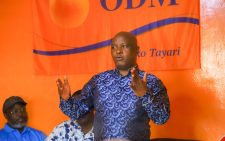
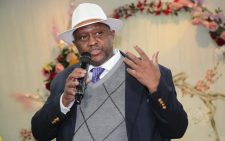
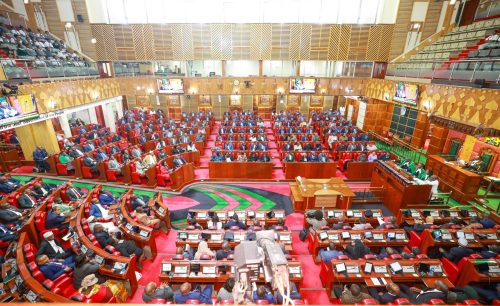
Nairobi Senator Edwin Sifuna has sparked fresh political debate after claiming that Kenya’s Parliament has lost its independence and is effectively under the control of the executive.
Speaking during a podcast interview uploaded on YouTube on Sunday, June 14, 2026, Sifuna claimed that President William Ruto’s administration has systematically weakened parliamentary oversight by influencing Members of Parliament through political and financial pressure.
In the explosive remarks, Sifuna argued that Parliament can no longer effectively hold the Executive to account, insisting that key legislative decisions are now driven by loyalty rather than constitutional duty.
He claimed that MPs who might oppose government-backed proposals are often discouraged through political intimidation, threats of constituency development disruptions, or promises of political survival.
You Might Also Like

According to him, this has eroded the principle of checks and balances that is central to Kenya’s constitutional democracy.
Sifuna further noted that the current parliament has no powers to freely impeach or table a censure motion against cabinet secretaries who might be found with questionable character.
“Hakuna bunge Kenya. Because mtu kama huyo Duale, ilifaa akitoka hapo hivo; parliament iko na power ya kumuimpeach yeye kama Duale, but all these MPs walinunuliwa na National executive. Ile kitu Ruto amesucceed kufanya ni kudestroy kitu inaitwa ‘checks and balances’. Ju sasa mkitaka kuimpeach let’s say Duale, anawaambia huyo ni jamaa wangu wachanane na yeye,” Sifuna said.
Political realignments
Sifuna went further to accuse the Kenya Kwanza administration of “assembling numbers” in Parliament by bringing opposition MPs into its fold, a move he says has weakened dissenting voices in the House.
He cited past political realignments involving smaller parties and coalition shifts, arguing that they have tilted parliamentary majority dynamics in favour of the Executive.
He also referenced previous parliamentary leadership decisions that, in his view, consolidated power on the government side, leaving the opposition structurally weakened.
Finance Bill 2024 referenced
The senator pointed to the controversial Finance Bill 2024 debate as an example of what he described as Executive dominance over Parliament.
He claimed that MPs were pressured to support the Bill and warned that those who opposed it risked political consequences.
Sifuna claimed this marked a turning point where parliamentary independence was visibly compromised.
“Nitakupea best example kitu ilifanyika kwa finance bill ya 2024. Ruto ndio alisema akiwa Narok ati tunataka kuona ni mbunge gani huyo atapinga hii bill. Na kuna njia zenye wanafikianga hawa MPs. Wengine wanatishwa, wengine wanaambiwa utaangushwa kura, because presidency iko na powers zake. Anaweza kusimamisha miradi zako kwa constituency. Hiyo power haiko kwa Constitution, ni power ingine iko tu hapa chini,” he said.
Looking ahead to the 2027 general election, Sifuna urged voters to prioritise restoring Parliament’s independence, arguing that meaningful governance reform must begin with legislative liberation.
He said Kenya risks sliding further into executive dominance unless voters elect leaders willing to challenge presidential authority inside the House.
He added that a strong Parliament is essential for restoring accountability and protecting constitutional governance.
Sifuna’s remarks are expected to trigger strong political reactions, particularly from leaders allied to the ruling coalition, who have previously dismissed similar claims that have led Kitutu Chache South MP Anthony Kibagendi to be suspended from Parliament for 14 days.
The debate also comes amid heightened political activity ahead of the 2027 election cycle, with increasing scrutiny over Parliament’s role in shaping national policy.
Author
Mustafa Juma
View all posts by Mustafa JumaLatest News



Advertisement
More on Inside Politics
