Gachagua reveals how Gen Z protest crackdown sparked fallout with Ruto
By Aloys Michael, March 27, 2026Former Deputy President Rigathi Gachagua has lifted the lid on the defining moment that irreparably shattered his relationship with President William Ruto, pointing to the government’s handling of anti-Finance Bill protests as the main trigger.
Speaking in an interview on the Iko Nini podcast on Friday, March 27, 2026, Gachagua described a deepening rift that had been building behind closed doors but said it was the state’s response to youth-led demonstrations that completely cemented the fallout.
According to him, tensions first escalated during internal deliberations over the controversial Finance Bill 2024, when he warned the President against pushing it through despite growing public opposition.
“I told him the people of Kenya will not take it. If you insist, there will be rejection, and we shall be left with an egg on our faces. Please do not force it,” Gachagua said.

However, the Democracy for the Citizens (DCP) Party boss said the advice went unheeded.
“He decided to force it. When it was forced, people said no,” he added, linking the move directly to the eruption of nationwide protests led largely by young Kenyans.
The breaking point, however, according to Gachagua, came during a National Security Council meeting convened as demonstrations intensified. He revealed he openly opposed a hardline approach adopted by top security officials.
“A decision was made, to clamp them down. And I said, no, I disagree with that decision.’ Let us listen to these young people. They have a point, and what they are saying is what the whole country is saying,” he recalled.
His dissent placed him at odds with the President.
According to him, the situation deteriorated further following the events of June 25, 2024, when protesters were killed during clashes near Parliament.
Gachagua further criticised the government’s response, particularly remarks branding the demonstrators as criminals.
“When the kids were massacred in Parliament, he called a press conference and said these kids are criminals. He crushed them,” the former DP said.
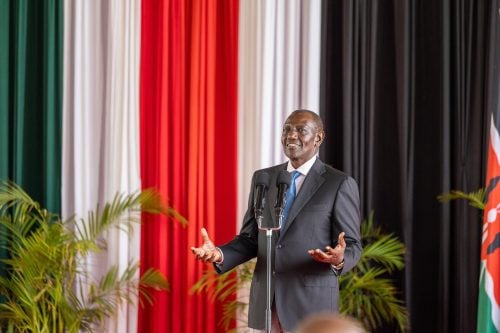
Ruto-Gachagua tiff
In a rare and dramatic move while still in office, the then-Deputy President broke ranks publicly. From Mombasa, he staged a counter-press conference directly contradicting the official government position.
“I told him off. I said you can’t keep this. These kids are not criminals. They are my sons and daughters. We should listen to them,” he said.
That act of defiance marked the point of no return.
“That is what broke the camel’s back. We never talked again,” Gachagua disclosed, adding that communication between him and Ruto was reduced to text messages.
“He felt it was total insubordination.”
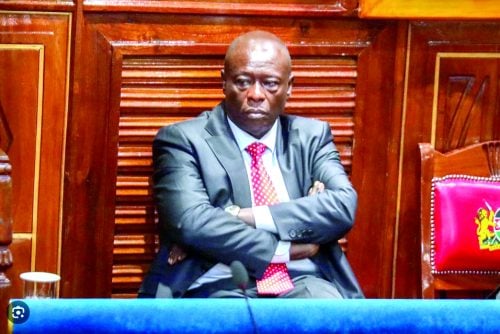
Gachagua defended his stance as a moral obligation, insisting he could not remain silent in the face of what he described as state excesses.
“I needed to give my position that I was not part and parcel of abductions and killing children. If I didn’t disown it publicly, I would carry that burden.”
The impeachment case
The fallout ultimately fed into his political troubles, culminating in a dramatic Senate showdown where his fate was effectively sealed.
A majority of 54 senators voted in favour of the first charge against him, setting the tone for a bruising impeachment process that cited constitutional violations, misconduct, and insubordination.
While several charges failed to pass, key counts, including gross misconduct and violation of constitutional provisions, garnered significant support, underscoring the depth of his political isolation.
Yet, as Gachagua now frames it, the collapse of his alliance with Ruto was less about politics and more about principle, anchored on a single, explosive moment when he chose to stand with protesting youth over the government he served.