Advertisement
Why UK is world’s most expensive place to develop nuclear power
Monday 24th November, 2025 09:49 AM|
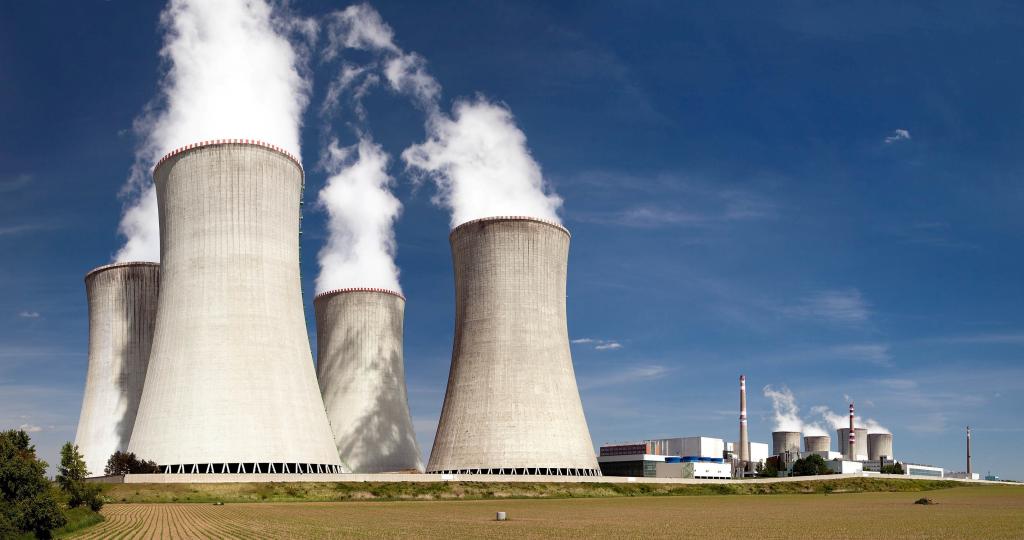
Among its recommendations is a one-stop commission for nuclear decisions. The agency should have unified decision-making powers.
Taskforce chair John Fingleton said: “Our solutions are radical, but necessary. By simplifying regulation, we can maintain or enhance safety standards while finally delivering nuclear capacity safely, quickly, and affordably.”
The government is expected to address the report’s findings later this month in the Budget.
Several major economies are reassessing their nuclear strategies and expanding capacity.
You Might Also Like

The number of planned and proposed nuclear plants currently in the works is roughly equivalent to the number already in operation around the world.
The UK is among 30 other countries that have signed a global pledge to triple their nuclear capacity by 2050 in a bid to cut carbon emissions.
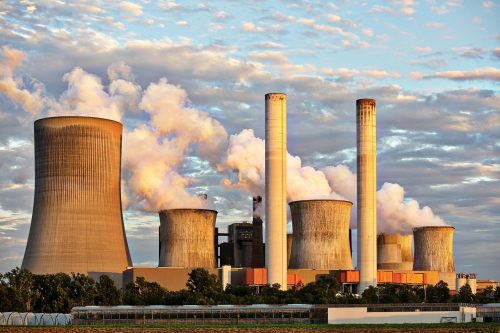
Britain’s existing nuclear power stations account for about 15 per cent of the electricity generated in 2024.
The UK runs nine nuclear reactors, but they are ageing, with eight set to shut by 2030.
New plants are being developed, but they will take several years to come online.
Hinkley Point C in Somerset is expected to start operating in the early 2030s, while Sizewell C – which the government says will be capable of powering six million homes – will follow later that decade.
The UK is also setting up small nuclear power stations, which are faster to build than full-size reactors.
Beyond the UK, France plans to build at least six new reactors, while China has nearly 30 under construction.

The US completed its first new reactor in over three decades last year, and Japan, which temporarily shuttered its nuclear programme after the 2011 meltdown at Fukushima, now plans for it to supply a fifth of its electricity by 2040.
In contrast, Germany has phased out its use of nuclear power, prioritising alternative renewables like hydrogen.
The development of nuclear energy remains divisive, with public opinion shaded by high-profile safety incidents, including Fukushima and the 1986 disaster at Chernobyl.
In non-military reactors, nuclear power is generated by bombarding uranium atoms with much smaller neutron particles.
This causes the atoms to split in a process called nuclear fission, which releases huge amounts of energy as heat.
The heat is used to boil water and produce steam, which drives turbines and generates electricity.
Author
Latest News







Advertisement
More on Business