Advertisement
Why some car dealerships no longer want your cash
Friday 11th March, 2022 12:00 AM|
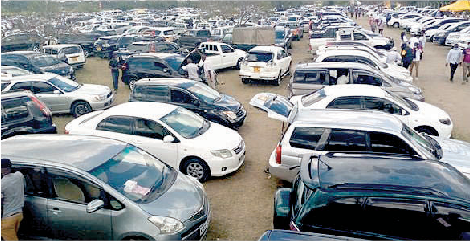
Firms selling second-hand vehicles are shifting from the traditional models of cash financing to well-structured agreements that enable buyers to finance their acquisitions.
In the latest global trend, car dealers appear to be no longer interested in cash but in arranging car financing from outside the dealership.
Industry insiders disclose that financing is a key profit centre for dealerships, which collect a portion of the interest rate or a fee when they arrange a loan on behalf of a bank, auto company or other financial firm. The financing also makes it easier for dealers to sell high-margin add-on products like insurance.
“We are witnessing increased funding from financers mostly microfinance institutions towards automobile purchases. The purchase and pay later solutions have failed to gain the confidence of the lending institutions,” said Kenya Auto Bazaar Associations (KABA) Secretary-General Charles Munyori.
Financing model
However, lack of trust among Kenyans is hampering the adoption of this new financing model for vehicle purchases, as economic hardships bite.
Auto dealers in the say underlying factors are making alternative models of vehicle financing unattractive to the Kenyan financiers. Dealers say buyers under the hire purchase agreements have been removing trackers from the vehicles making it hard to trace their whereabouts for payment of the instalments.
The concerns come even as motor dealers remain optimistic of increased sales after the sector experienced a downward trend on the back of a slowing global economy and the advent of the coronavirus pandemic in 2020.
As economies have begun to recover from Covid-19, new motor vehicles purchases surged 35 per cent in the first half of 2021, according to industry data.
Despite a boom in auto sales, Munyori notes that buyers acquiring older models of more than 10 years have been locked out of major funding initiatives, and restricted majorly to cash purchases due to their inability to attract funding from the lending institutions. “Our business is mostly informal so maybe that’s why we haven’t recorded higher numbers as cars buyers opt for hire purchase,” added Munyori.
According to vehicle-dealer Autocheck, over the last seven months when the company officially took over car selling platform Checki, 31 per cent of the transactions have been outright purchases while 69 per cent are financing.
Income levels
A 2018 Deloitte & Touche report dubbed Navigating the African Automotive Sector, the consulting firm noted that a rise in income levels, the emergence of a middle class, growing population size and positive economic outlooks make it an attractive materialising opportunity for people to acquire automobiles.
To cope with the bottlenecks in financing buyers and vehicles owners are now devising newer methods to get the latest vehicle models at a cheaper cost.
Experts now say that auto facelifts are expected to take over the motor industry as Kenyans are trying to save on costs.
Author
Jacktone Lawi
View all posts by Jacktone LawiLatest News








Advertisement
More on Business