What you need to know as millions of SpaceX shares go up for sale
By BBC, June 13, 2026For the first time investors can now buy and sell shares in Elon Musk’s Texas-based SpaceX, a company that is planning to colonise Mars and put artificial intelligence (AI) data centres in space.
It is set to be the biggest ever public sale of shares and will make SpaceX one of the US’s top 10 largest listed firms. A higher-than-usual proportion of those shares is being made available to individual investors, but its sheer size means many investment funds will end up with a stake in SpaceX too.
So for those who invest, what exactly are they buying and what are the risks?
What is happening with SpaceX exactly?
SpaceX is currently owned by Musk and other private investors, but has launched what is known as an initial public offering, or IPO.
On Friday, millions of new shares in the company started trading on the stock market.
The IPO has raised at least Ksh 9.71 trillion from financial firms which bought shares at Ksh17,000 a piece. It gives investors the chance to buy into a business whose activities range from space exploration and satellite communication to the social media site X and the controversial AI platform Grok.
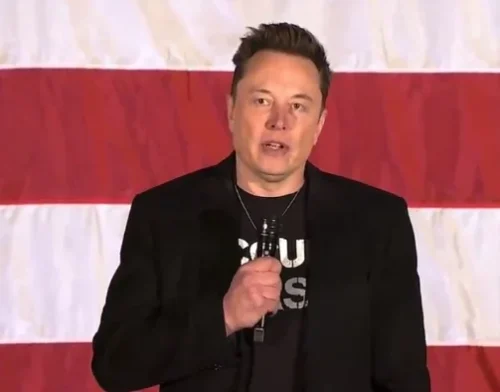
SpaceX is separate from Musk’s most well-known company, the electric car maker Tesla, although it is thought the two may end up merging next year.
Musk plans to use the extra money he is raising to expand SpaceX’s current activities but also to fund new future ventures: mining asteroids, colonising Mars and putting AI data centres in space.
The sci-fi style sales prospectus says humans must avoid “the same fate as dinosaurs” and plan for an “age of abundance” based in space because the “light of consciousness” will not be tied to a single planet.
There is plenty of scepticism about the feasibility of some of these ambitions. But Musk’s backers say he has beaten the doubters before.
On Friday afternoon shares started trading at Ksh19,000 each – significantly higher than the initial offering price – and then quickly rose, cementing Musk’s status as the world’s first trillionaire.
Can anyone buy shares?
SpaceX was listed on the New York technology-focused Nasdaq market on Friday, and some of the big global investment institutions have been buying shares. But individuals, including in the UK, also have a chance to apply to buy shares via certain investment platforms and brokers. The shares were allocated according to demand before trading started.
Now trading has begun, their value could quickly rise or fall depending on whether the wider market thinks that initial price was too low or too high.
Even if you do not invest in SpaceX shares directly, you may find you have an indirect financial interest if your pension or savings fund manager buys shares as part of their investment strategy, or if you have an index-tracking fund that automatically buys into the biggest firms. That means millions of people will find their money is affected, at least in some small way, by what happens at the company.
SpaceX is set to be valued at around Ksh226.59 trillion, which would make it larger than rivals Anthropic and OpenAI, but smaller than the big tech giants such as Alphabet (Google), Apple, Microsoft and Amazon.
Do shareholders get a say in how SpaceX is run?
When it comes to company decisions Musk will still hold more than 80% of the voting power after the share sale, only marginally less than he currently has. He will still determine who runs the company and its overall strategy.
That has raised some eyebrows, given Musk’s erratic management style and his many enterprises. But paradoxically for some investors it may be his reputation that drives interest in this venture.
In fact, it has been pointed out more broadly that the IPO, especially the big push to involve the wider public more than is usual, is trading heavily on Musk’s personal profile rather than the fundamentals of the business.