Advertisement
Ruto bets on green economy as Kenya hunts European investment
Sunday 07th June, 2026 06:16 PM|

President William Ruto’s latest European tour signals Kenya’s growing push to position itself as Africa’s green investment hub, with Nairobi aggressively courting investors in renewable energy, electric mobility, climate-smart agriculture and clean technology.
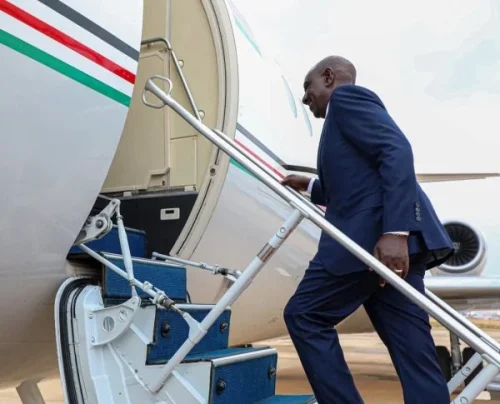
The President departed on Sunday, June 7, 2026, for official visits to Belgium and Norway and a State Visit to Finland, in a diplomatic and economic mission heavily focused on attracting investments capable of accelerating Kenya’s transition to a green economy while creating jobs and expanding exports.
While trade and bilateral ties remain central to the tour, the sectors dominating the agenda reveal a broader strategy by the Kenya Kwanza administration: using climate-conscious investments as a driver of economic growth.
Norway visit
In Norway, President Ruto is expected to hold talks with Prime Minister Jonas Gahr Støre and participate in the Kenya-Norway Business Forum, where renewable energy, electric mobility and the blue economy will take centre stage.
You Might Also Like

The focus is hardly accidental.
Norway is globally recognised for its leadership in clean energy and electric vehicles, while Kenya has increasingly marketed itself as one of Africa’s leading renewable energy economies. More than 80 per cent of Kenya’s electricity is generated from renewable sources, largely geothermal, hydro and wind power.
For the Ruto administration, the challenge now is converting that clean energy advantage into industrial investment and jobs.
E-mobility
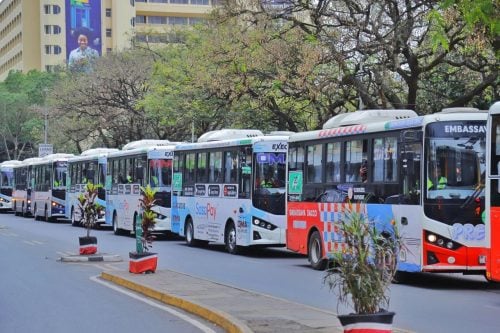
The government has been pushing to attract companies involved in electric vehicle assembly, battery technologies, green manufacturing, and climate-smart infrastructure. Officials believe partnerships with Nordic countries could help Kenya become a regional hub for clean technology and sustainable industrialisation.
The emphasis on electric mobility also aligns with Kenya’s ambitions to reduce fuel import dependency and modernise urban transport systems amid rising concerns over pollution and climate change.
Climate-smart agriculture
At the same time, the inclusion of climate-smart agriculture in the discussions reflects Kenya’s efforts to shield its economy from increasingly unpredictable weather patterns that have devastated farmers in recent years.
Agriculture remains one of Kenya’s largest employers and foreign exchange earners, making sustainable farming technologies and green financing critical areas of interest for Nairobi.
Ruto’s Belgium trip
In Belgium, President Ruto is expected to engage European Union leaders on the implementation of the Kenya-European Union Economic Partnership Agreement, which grants Kenyan exports duty-free and quota-free access to European markets.
Beyond traditional exports such as tea, coffee, and cut flowers, Kenya is also seeking investments in value addition and green manufacturing, part of a long-term plan to shift the economy from raw exports to processed goods.
The administration hopes that attracting European investors into manufacturing, logistics, and clean production chains will help create employment opportunities for thousands of young Kenyans entering the labour market annually.
Finland opportunities
Finland, meanwhile, offers opportunities in technology, digitisation and innovation, sectors Kenya sees as complementary to its green growth agenda.
President Ruto’s visit comes barely a year after Finnish President Alexander Stubb visited Kenya, underscoring growing ties between Nairobi and the Nordic region.
The two countries are expected to deepen cooperation in clean energy, education technology, digital transformation and environmental sustainability.
Kenya’s increasing focus on green investments reflects a changing global investment landscape, where climate-conscious financing is becoming more accessible than traditional industrial funding.
For Kenya, positioning itself as a stable gateway for sustainable investment in East Africa could offer a competitive advantage at a time many economies are competing for limited foreign capital.
The success of the tour, however, may ultimately be judged not by diplomatic statements but by whether the promised investments translate into factories, jobs, export growth and tangible economic opportunities back home.
Author
Mustafa Juma
View all posts by Mustafa JumaLatest News



Advertisement
More on Business