Advertisement
Plastic bags still in use aplenty five years after ban by State
Friday 25th February, 2022 12:00 AM|
One of the biggest lie ever celebrated was that plastic bags will somehow disappear in Kenya. Truth is that nearly every household across the country is still keeping a polythene bag and using flat bags for garbage collection, five years after Kenya outlawed single-use plastic bags in 2017.
The ban on plastic bags which took effect on August 28 of the same year, was a pioneering bold move that compelled all stakeholders involved in the use, manufacture and importation of the products used for commercial and domestic purposes to abide by the legal directive.
However, a spot check by the Business Hub shows that those gains made half a decade ago have all come to nothing despite National Environment Authority (Nema) claiming in December last year that success rate on the ban had hit 95 per cent.
Transparent polythenes
“We use them freely now as opposed to when the ban first came to force when we would be afraid of Nema officials for fear of being arrested.
The polythenes are now available from supplies and are cheaper,” confesses Alice Wambui, a retail businesswoman plying her grocery in Lower Kabete, Kiambu County.
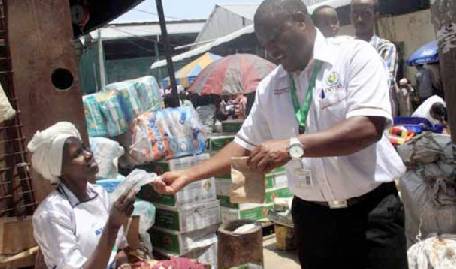
Commonly referred to as “mama mbogas”, the traders are freely using the transparent polythenes while serving their customers for grocery purchases in what has become a norm with no enforcement in place.
As a result, that sloppiness from Nema officials and other implementing agencies has seen a host of households continue to use plastic carrier bags, popularly known as “juala” for routine grocery shopping within their residential estates, while a good number of grocery yards are serving regulars using the same bags.
Initially, the usage was mostly rampant in the evenings and at night, but it is now conducted in broad daylight without fear of being arrested.
Vincent Onyuonka, a garbage collector in Nairobi also says the availability of such plastic bags have become convenient compared to the situation when the ban was first announced.
“I think we panicked when the move was announced and some of us feared for our jobs, because this is our bread and butter.
Here is where we feed our families and educate our children from,” says Onyuonka who believes the existing ‘laxity’ from the enforcement agency, Nema, is as a result of those concerns.
Most garbage collectors charge between Sh200 and Sh400 monthly fees for such services – depending on your dwelling – in an arrangement often harmonised by landlords who collect the amount on their behalf and distribute the polythene bags periodically to their tenants.
What’s worse there are still no laws requiring corporations that profit from single-use plastic bottles to clean up what they produce despite a gazette notice published on February 28, 2017, which had extended a six-month grace period for necessary adjustments and compliance.
Violating the ban
This extension was to enable retailers to clear their stocks, and upon its termination bar manufacturers from producing and importing such products in the country.
Nema also picked inspectors and environment police to ensure manufacturers complied with the ban as well as impose charges on those flouting the restraint.
Such a task now seems elusive for the supervisors who have no control over those violating the ban.
Other enforcement agencies include National Police Service, Directorate of Criminal Investigations, Customs police, Kenya Revenue Authority and Anti-Counterfeit Authority.
Also surprisingly, a good number of consumers are not aware of the take-back scheme by the authority for collection of plastic bags meant for recycling.
Author
Steve Umidha
View all posts by Steve UmidhaLatest News








Advertisement
More on Business