Advertisement
Oil extends gains as Middle East hostilities flare and talks stall
Wednesday 03rd June, 2026 09:02 AM|

Oil prices rose on Wednesday, extending gains from the previous session, as hostilities in the Middle East erupted anew with Iran firing missiles at Kuwait and Bahrain, while diplomatic talks between Iran and the US showed little progress.
Brent futures gained 81 cents, or 0.8 per cent, to about Ksh15,500 a barrel, while U.S. West Texas Intermediate (WTI) crude climbed 91 cents, or 1.0 per cent, to roughly Ksh15,100.
Both benchmarks settled at a one-week high in the previous session.
Iran launched ballistic missiles toward regional neighbours Kuwait and Bahrain but failed to hit targets, the U.S. military said, adding that American forces conducted strikes on Iran’s Qeshm Island in response to the attempted attacks.
You Might Also Like



“The stalling in the U.S.-Iran negotiations and IEA warnings of critical global low stock levels are adding upward layers to the risk premium in benchmark prices,” said Emril Jamil, a senior analyst for oil at LSEG.
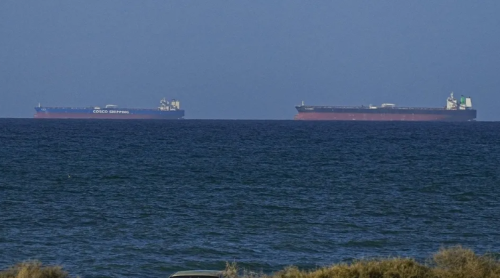
Global oil inventories could hit critical levels ahead of the peak summer demand period if stock draws continue at their current pace, the head of the International Energy Agency’s oil industry and markets division said on Tuesday.
The market awaited news on the Iran war, with Tehran reviewing a proposed agreement with the U.S. to halt the conflict.
Iran has not communicated with Washington for a few days, Iranian media reported on Tuesday, though Trump said negotiations had been going on continuously.
ANZ Bank senior commodity strategist Daniel Hynes said any efforts to reopen the Strait of Hormuz face challenges as Iran has mined large portions of the vital waterway.
“There has been a slight uptick in vessels attempting the journey, but total transits remain significantly below pre-conflict levels,” Hynes said.
More than three months after the U.S. and Israel launched strikes against Iran, the conflict is stuck in a stalemate, with a shaky ceasefire in place.
On the supply side, U.S. crude oil inventories fell for a seventh straight week last week, according to market sources citing American Petroleum Institute data released on Tuesday.
Crude stocks fell by 6.8 million barrels in the week ended May 29, 2026.
U.S. government data on stockpiles is due at 5: 30 pm on Wednesday, June 3, 2026.
Author
Latest News








Advertisement
More on Business