Advertisement
Ministry of Agriculture proposes stringent regulations to curb illegal tea trade
Sunday 27th July, 2025 06:42 PM|

The Ministry of Agriculture and Livestock Development has called for stringent regulatory reforms to curb the growing menace of tea hacking and illegal trade practices that continue to undermine Kenya’s tea value chain.
According to a post on their X account on Sunday, July 27, 2025, this came during a high-level meeting in Mombasa where Principal Secretary Paul Ronoh led the Ministry’s delegation in presenting key proposals to the National Assembly Committee on Agriculture and Livestock.
The discussions formed part of the ongoing review of the Tea Bill, chaired by MP John Mutunga, and brought together key stakeholders including the Tea Board of Kenya and KTDA Holdings Limited. Ronoh emphasised the urgency of reinforcing the regulatory framework governing tea production and marketing, citing the rising cases of unregulated trade and tea hacking, an illicit activity where tea is diverted or stolen before reaching the market.
“To safeguard the integrity of the value chain, we must eliminate loopholes that allow illegal activities to thrive,” said Ronoh.

Ministry proposes sector overhaul
You Might Also Like

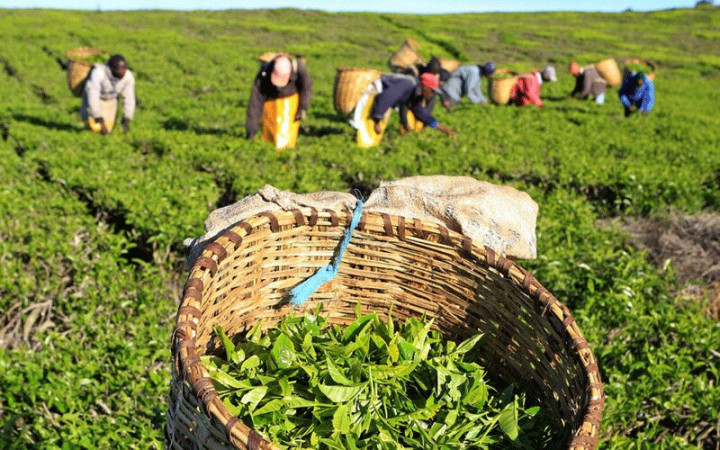

The Ministry noted that strengthening oversight mechanisms would not only deter malpractice but also create a more transparent and trustworthy environment for both farmers and buyers. Ronoh also called for the implementation of stricter guidelines in the establishment of new tea factories to prevent market oversupply, which can erode profitability for existing players.
In addition to regulatory reforms, the Ministry proposed a multi-pronged approach to revamp the sector. This includes promoting direct sales by tea factories to eliminate exploitative middlemen, enhancing value addition to boost global competitiveness, and leveraging digital platforms to modernise trade operations.
Another major point of discussion was the strategic use of tea levy funds to upgrade agricultural access roads. According to the Ministry, better infrastructure would support efficient movement of produce from farms to processing centers, improving delivery timelines and reducing post-harvest losses.
“Additionally, a key highlight was the proposed strategic utilization of tea levy funds to upgrade agricultural access roads, critical infrastructure that directly supports farmer mobility and supply chain efficiency.”
Author
Kenneth Mwenda
Kenneth Mwenda is a business, sports, and politics digital writer with over seven years of experience in journalism, covering breaking news, feature stories, and in-depth analysis across a range of beats.
For inquiries, he can be reached at [email protected]
View all posts by Kenneth MwendaLatest News








Advertisement
More on Business