Advertisement
Mathira coffee farmers reject M-Pesa payments, says cooperatives will die
Friday 23rd January, 2026 01:25 PM|

Coffee farmers in Mathira, Nyeri County, have vowed to oppose the reintroduction of the Direct Sales Settlement (DSS) payment system, saying the move would cripple cooperative societies and weaken farmers’ collective financial power.
Speaking during the Gikanda Farmers’ Cooperative Society Annual General Meeting on Thursday, January 22, 2026, the farmers said they would reject any attempt by the government to implement the payment model, even during public participation forums organised by the Ministry of Cooperatives.
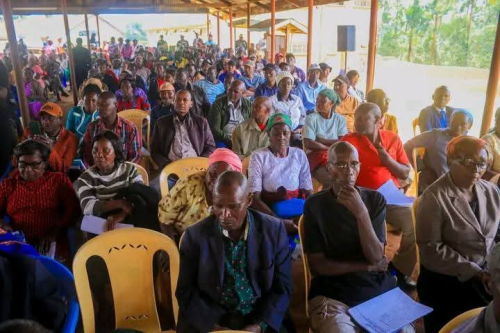
“We as a society have passed a resolution that we will never accept this mode of payment. Nothing will change even if the ministry holds public hearings. We cannot allow the cooperative movement to die because of payments through M-Pesa, which will make farmers lose their collective financial management power,” Society Chairman, John Ngure, said.
Last year, Cooperative Cabinet Secretary Wycliffe Oparanya said the government intended to reintroduce direct payments to farmers despite a court ruling that declared the move illegal due to a lack of public participation. The Cabinet Secretary noted that the ministry would hold stakeholder meetings to incorporate farmers’ views before implementing the policy.
You Might Also Like



The farmers’ position was supported by Mathira parliamentary aspirant Solomon Maina, who said coffee farmers should continue receiving payments through their cooperative societies and SACCO accounts.
”Paying farmers through mobile money will disenfranchise them. They will lose their financial credibility and eventually kill the cooperative movement, condemning many to poverty,” Maina said.
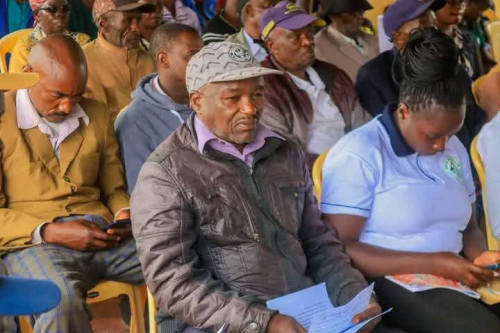
Maina further urged the government to ensure subsidised farm inputs reach coffee farmers on time to boost production.
“Although there has been some improvement in coffee production in Nyeri County, a lot still needs to be done. Fertiliser should reach farmers in good time. The subsidy programs for sugar and maize farmers should be replicated in coffee-growing zones,” he said.
The aspirant also called on the government to provide improved coffee seedlings to farmers in the Mount Kenya region to mitigate the effects of climate change.
”We have seen well-researched seedlings being provided to farmers in Western and Nyanza regions. The same should be done for coffee farmers here, since most coffee bushes were planted in the 1950s, which explains the low production levels,” Maina added.
Author
Loise Wambugu
View all posts by Loise WambuguLatest News








Advertisement
More on Business