Advertisement
Kenya’s gas prices set to remain high after Saudi deal collapses
Wednesday 01st April, 2026 06:41 AM|

Kenyans will have to wait even longer to own affordable cooking gas after the government announced that a highly anticipated deal with Saudi oil firm Saudi Aramco had collapsed, dealing a new blow to efforts aimed at increasing the availability and lowering the cost of the product.
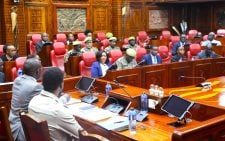
The government, through the Ministry of Energy, led by Cabinet Secretary Opiyo Wandayi, on Tuesday, March 31, 2026, confirmed to the Senate Energy Committee that the talks between the Government of Kenya and Aramco Trading, the trading arm of the oil firm, did not yield an agreement; hence, the collapse of plans to expand the country’s liquefied petroleum gas infrastructure.
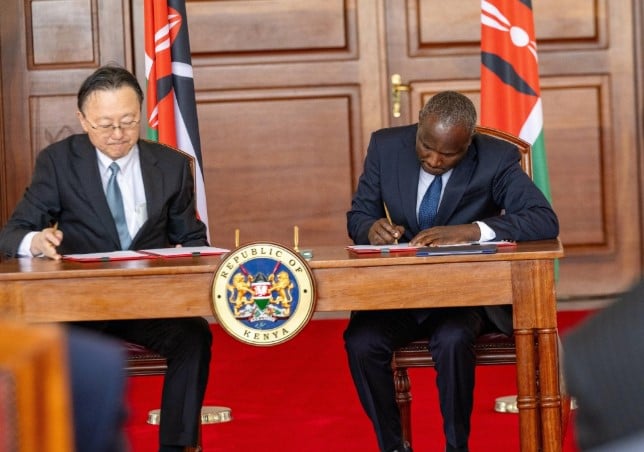
The CS, while appearing before the committee, led by Senator Oburu Odinga, confirmed that the planned Memorandum of Understanding (MoU) with Aramco Trading Fujairah FZE did not materialise, as the two sides did not agree on the terms and conditions of the MoU.
“The intended Memorandum of Understanding was not executed as expected, given that the two parties were not able to amicably agree on the terms and conditions,” Wandayi revealed to the committee.
You Might Also Like


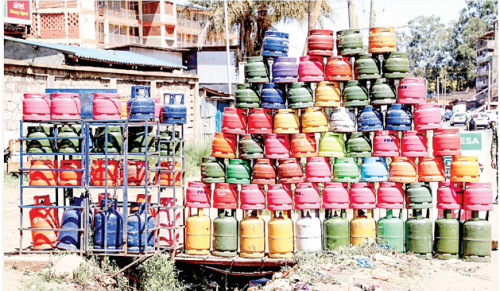
The collapse of the talks means that the highly anticipated Oil Sustainability Programme, aimed at financing the distribution of 8.4 million LPG cylinders, will not take off as planned.
Strict conditions
The CS revealed that the $20 million (approximately Ksh2.5 billion) financing deal was to be provided to the country and was presented with some strict conditions, including the demand for exclusive rights to supply oil products, a condition that the government rejected outright.
“The so-called $20 million was coming with serious conditionalities, one of which was the exclusive supply of oil products, and we found this to be untenable. In any event, these funds were not coming in one package but through multiple tranches, and this did not make sense to us,” Wandayi added.
The CS, however, maintained that the government decided to walk away from the deal in favour of more viable options, even as they assured lawmakers of continued cooperation with the committee.
“We are available to supply supplementary materials and data to the committee,” Wandayi further stated.
However, this explanation also seemed to raise more questions among lawmakers, such as why Kenya chose not to sign a letter of authorisation to enable the project to take off.
The committee chairman, however, also expressed concern from smaller petroleum dealers over alleged market dominance by multinational corporations. Wandayi acknowledged these concerns and also listed measures being implemented by the Ministry of Energy to address them.
Wandayi also listed gains made in raising the country’s LPG storage capacity in recent years. The CS also assured the country of adequate petroleum supplies in the near future.
“We have stocks of all petroleum products to last us until April, and we have agreements with Gulf international energy companies which have helped us ensure we have enough supplies of petroleum products,” Wandayi said.
Government eyes private sector participation
However, the government is now looking towards private sector participation to save the ambitious LPG expansion programme. Wandayi noted that the ministry has already received requests for proposals and identified four local companies to assist in the manufacturing of the cylinders to boost the country’s production capacity.
He noted that the government is also looking to generate funds from the increased petroleum levy collections to finance the LPG infrastructure development, including the import and storage facilities.
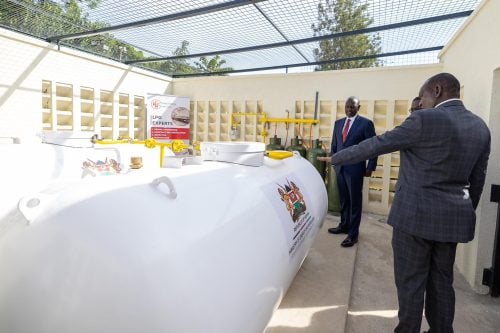
Legislators recently approved the increase of the Petroleum Development Levy from 40 cents to Sh5.40, which is expected to generate billions of shillings to finance the LPG programme.
The collapse of the Aramco deal is a setback to President William Ruto’s ambition of making clean cooking energy more affordable and accessible in the country.
Since 2024, Kenya has been in talks with Saudi Arabia to acquire a floating facility for the storage and processing of LPG, which will be anchored off the Port of Mombasa.
Despite the setback, Wandayi said the government was committed to the development of the LPG sector.
Author
Latest News







Advertisement
More on Business