Advertisement
Kivutha Kibwana: Kenyans keep being lied to because civic education is weak
Tuesday 23rd June, 2026 09:32 AM|
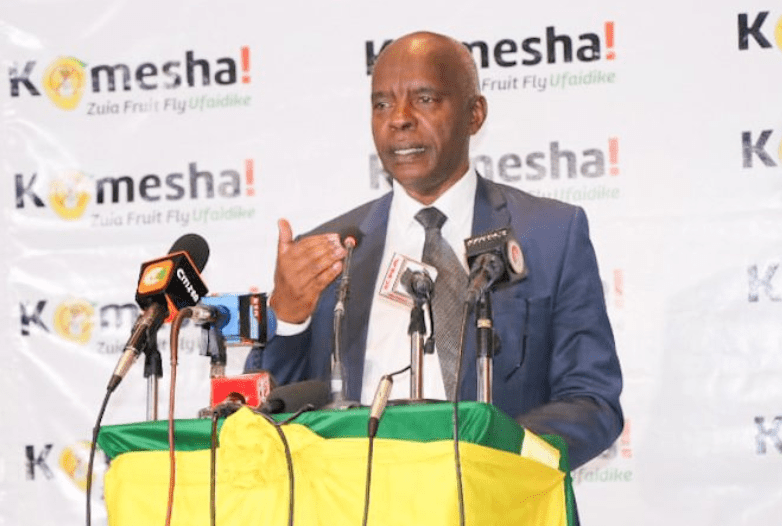
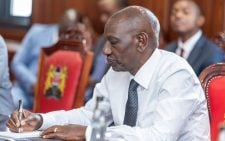
Former Makueni Governor and constitutional law expert Kivutha Kibwana has raised concern over what he termed as weak civic education in Kenya.
Speaking during an interview with K24 TV on Tuesday, June 23, 2026, Kibwana warned that the gap continues to leave ordinary citizens vulnerable to political manipulation and misinformation.
Kibwana said many Kenyans are repeatedly misled because they are not adequately educated on their constitutional rights and democratic responsibilities.
He argued that a stronger civic education framework would empower citizens to hold leaders accountable and make informed political decisions, rather than relying on partisan narratives.
You Might Also Like
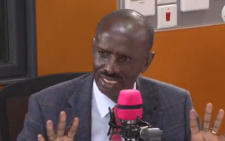

“There is not adequate civic education or political education in our country, and ordinary citizens keep on being lied to,” Kibwana said.
Kibwana, one of the country’s prominent legal scholars, anchored his argument on Article 1 of the Constitution, which vests sovereign power in the people of Kenya.
He emphasised that citizens, not political leaders, hold ultimate authority in governance and should therefore actively shape the direction of leadership through informed participation.
“I hope one day our people in Africa will learn that, like our Article 1 of the Constitution says, they are sovereign and they are the ones to tell the leaders what to do,” he said.
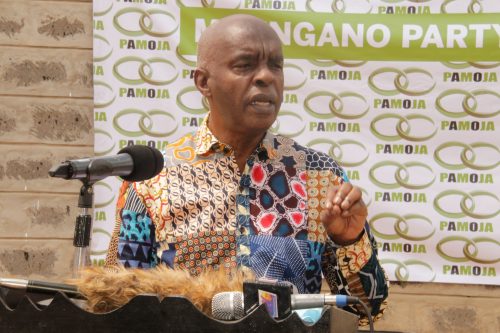
Call for stronger civic awareness
The former governor warned that without structured civic education, democratic participation risks being reduced to periodic voting exercises influenced by misinformation, ethnic mobilisation, and political propaganda.
He noted that civic awareness is essential in helping citizens understand government processes, policy decisions, and their constitutional rights.
Kibwana’s remarks come amid renewed public debate over political accountability, governance, and citizen engagement in Kenya’s democratic space.
His comments add to long-standing concerns by governance experts and civil society groups who have repeatedly called for the strengthening of civic education programmes, particularly at the community level.
Kenya’s 2010 Constitution introduced expanded rights and governance structures intended to deepen public participation, but implementation of civic education programmes has often been inconsistent across counties and national institutions.
Broader democratic message
Kibwana’s remarks also reflect a broader philosophical reminder about the nature of democracy, where power is delegated by citizens to elected leaders who are expected to act in their interests.
He urged for a cultural shift in political engagement, where citizens understand their constitutional authority and exercise it beyond elections.
As Kenya continues to grapple with issues of governance, accountability, and political trust, his comments are likely to reignite discussions on how to strengthen democratic literacy among the electorate as the country heads into the 2027 general elections.
In January 2026, retired Chief Justice and 2027 presidential aspirant David Maraga launched a nationwide civic education initiative, dubbed Ukatiba Caravan, following the successful fundraising of Ksh7,745,788.04 for his campaign efforts.
The initiative aimed to engage the youth and meet the aspirants’ target of registering 15 million Gen Z voters under the #GenZ15MillionStrong movement.
Author
Mustafa Juma
View all posts by Mustafa JumaLatest News





Advertisement
More on News