Advertisement
Kenya’s economic outlook dims as IMF negotiations stall on new deal
Sunday 26th April, 2026 01:35 AM|

Kenya’s efforts to secure a new funding programme from the International Monetary Fund (IMF) have hit a setback after the lender paused discussions, citing the government’s delay in responding to governance and corruption diagnostics reports.
The IMF on Saturday, April 25, 2026, said the draft report has already been forwarded to President William Ruto’s administration, but formal feedback is still pending before it can proceed to the Executive Board for approval.
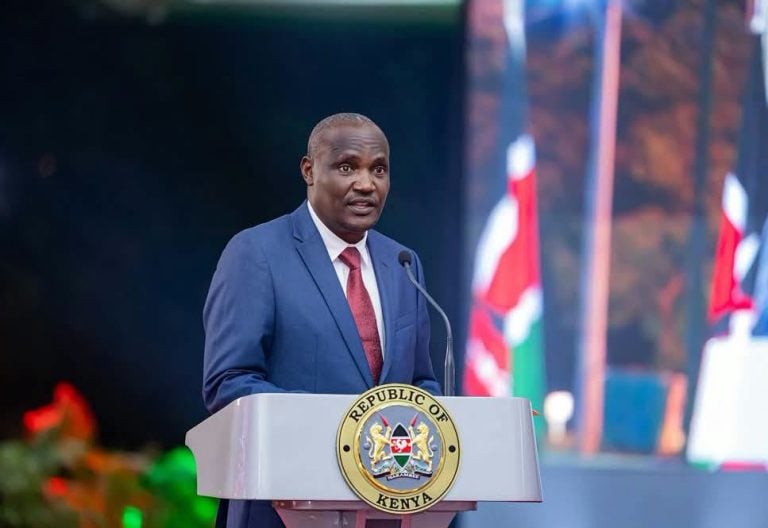
Outgoing IMF African Department Director Abebe Aemro Selassie stressed that the process cannot advance without Kenya’s input.
“The draft report has been shared by our team with authorities, and we are waiting for their comments on that before presenting it to our board and publishing it,” he said.

You Might Also Like



The development comes barely a week after Selassie confirmed ongoing negotiations with Kenya over a possible new programme designed to support fiscal stability and strengthen debt management.
In a statement issued on April 17, 2026, the IMF Africa Director noted that any future arrangement would depend on Kenya demonstrating a credible fiscal consolidation path.
“Kenya is, of course, a market access country or shifting towards a market access country. And you know, the market access these days has become very, very volatile. And so, the government is continuously thinking about how to best address its financing needs,” said Abebe.

The pause in talks adds fresh pressure on Kenya’s already stretched public finances, at a time when debt obligations to the IMF are rising sharply.
Treasury projections show that Kenya is expected to repay about Ksh47.9 billion in 2026, up from Ksh17.6 billion in 2025. Monthly repayments continue to fluctuate, averaging about Ksh4 billion, further tightening fiscal space.
The stalled negotiations also come against the backdrop of a broader slowdown in the region’s economic outlook. The IMF Regional Economic Outlook for Sub-Saharan Africa projects that Kenya’s growth will ease in 2026.
Regional growth, which reached 4.5 per cent in 2025, is expected to slow to 4.3 per cent in 2026, with the Fund attributing the downgrade to spillover effects from geopolitical disruptions, including the ongoing conflict in the Middle East, which has affected global supply chains and commodity prices.
Author
Latest News








Advertisement
More on Business