Advertisement
Kenyans to pay Ksh542M more daily as fuel prices surge
Wednesday 15th April, 2026 12:17 AM|

Kenyans are set to dig deeper into their pockets over the next 30 days, following the latest fuel price review by the Energy and Petroleum Regulatory Authority (EPRA), which took effect on April 15, 2026.
The new prices mean consumers will collectively pay an additional Ksh542 million every day for petrol and diesel compared to the previous pricing cycle.
EPRA announced that super petrol has increased by Ksh28.69 per litre, while diesel has risen by Ksh40.30 per litre. The price of kerosene remains unchanged.
“In the period under review, the maximum allowed petroleum pump prices for super petrol and diesel increased by Ksh28.69/litre and Ksh40.30/litre respectively, while the price of kerosene remained unchanged,” EPRA noted.
You Might Also Like


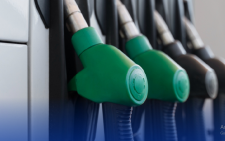
In Nairobi, super petrol, diesel, and kerosene will now retail at Ksh206.97, Ksh206.84 and Ksh152.78 per litre respectively. In Mombasa, the prices stand at Ksh203.69, Ksh203.56 and Ksh149.49 per litre.
Daily cost impact
Based on Kenya’s average daily fuel consumption, the increase translates into a sharp rise in national expenditure on fuel.
Public data shows the country consumes approximately 15.4 million litres of petroleum products daily. This includes about 9.1 million litres of diesel and 6.3 million litres of super petrol, with diesel accounting for the largest share.
With the new prices, diesel users will pay an additional Ksh366 million per day, while petrol consumers will incur an extra Ksh176 million, bringing the combined daily burden to Ksh542 million.
If sustained over a full year, the increase would push Kenya’s fuel bill up by an estimated Ksh198 billion.
Surge in landing costs
EPRA attributed the price adjustments to a sharp rise in the landed cost of imported fuel products, reflecting global market pressures.
“The average landed cost of imported Super Petrol increased by 41.53% from US$582.11 per cubic metre in February 2026 to US$823.87 per cubic metre in March 2026; Diesel increased by 68.72% from US$636.45 per cubic metre to US$1073.2 per cubic metre while Kerosene increased by 105.15% from US$639.48 per cubic metre to US$1311.93 per cubic metre over the same period,” EPRA stated.
The spike underscores the volatility in global energy markets, with diesel showing particularly steep increases, a factor likely to cascade into higher transport and production costs across the economy.
To soften the impact on consumers, EPRA said the government will utilise approximately Ksh6.2 billion from the Petroleum Development Levy (PDL) to stabilise pump prices.
The regulator also clarified that certain fuel supplies were excluded from the current pricing formula.
“We wish to reiterate that as per the earlier directive from Government, the Super Petrol delivered by One Petroleum ex MT Paloma has not been included in the computation of the applicable prices,” EPRA stated.
Economic ripple effects
The sharp increase in fuel costs is expected to have a ripple effect across the economy, pushing up the cost of transport, food, and other essential goods. Diesel, which powers most public transport and industrial activity, is likely to have the most immediate and widespread impact.
With fuel being a key driver of inflation, the latest adjustments could further strain household budgets and complicate efforts to stabilise the cost of living.
Author
Francis Muli
Francis Muli is an editor and passionate digital journalist with extensive experience in crafting compelling stories across various platforms. His major focus is in business, politics and current affairs. He has a keen eye for detail and a commitment to uncovering the truth. He has contributed to leading publications across the country. When not chasing stories, you can find Muli exploring new technologies, attending local events, or reading fiction. Connect with Francis Muli on X @FMuliKE and Facebook (Francis Muli) to follow his latest stories and insights.
View all posts by Francis MuliLatest News







Advertisement
More on Business