Advertisement
Govt moves to sell Safaricom stake as it eyes Ksh244B for infrastructure fund
Thursday 04th December, 2025 12:11 PM|
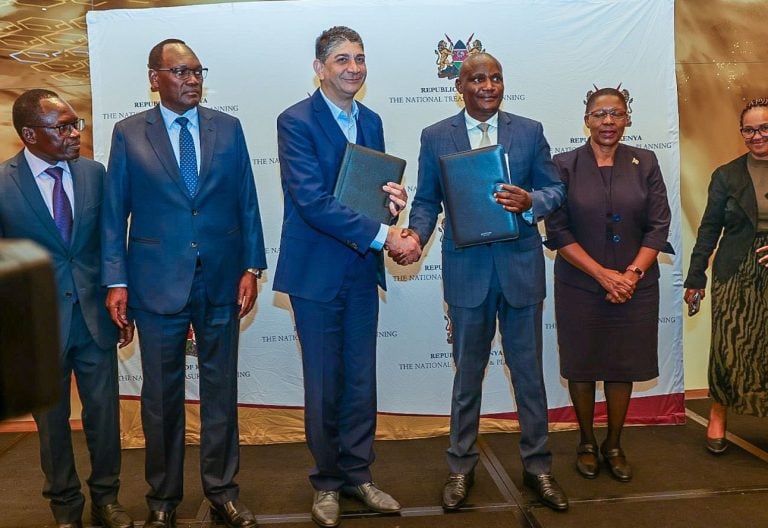
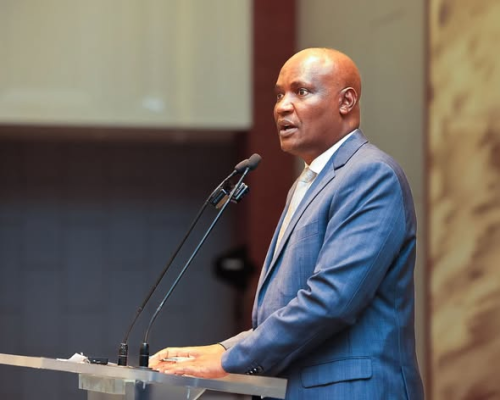
Treasury Principal Secretary Chris Kiptoo has said Kenya will raise at least Ksh244 billion from a fresh State divestiture in Safaricom, money the National Treasury says will form the foundation of the country’s new National Infrastructure Fund.
The move is part of what the government describes as a shift from heavy borrowing to an investment-driven model financed through public assets rather than debt.
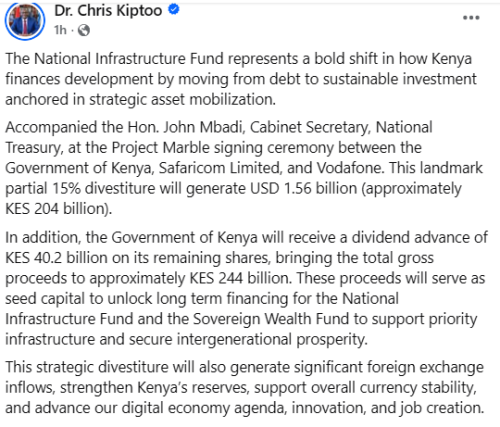
In a statement, the PS said the National Infrastructure Fund represents a bold shift in how Kenya finances development by moving from debt to sustainable investment.
“The National Infrastructure Fund represents a bold shift in how Kenya finances development by moving from debt to sustainable investment anchored in strategic asset mobilisation,” the statement reads
You Might Also Like

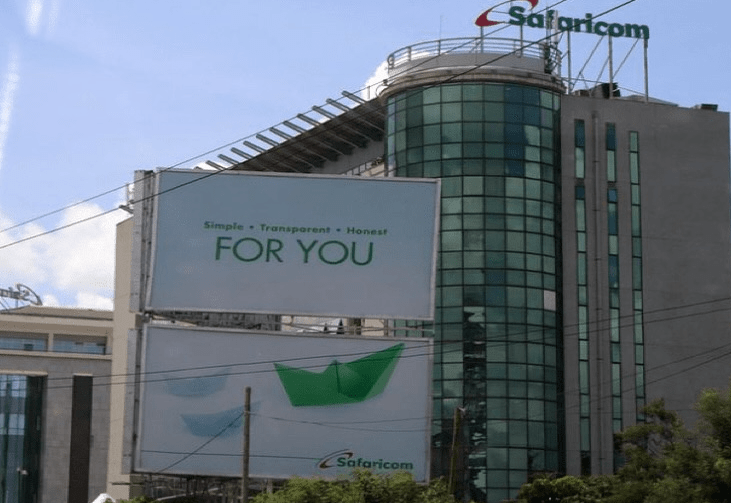
The PS explained that the government had executed a major transaction with Safaricom and Vodafone under what is being referred to as Project Marble.
In his remarks, Kiptoo said he joined Treasury Cabinet Secretary John Mbadi during the signing ceremony, noting that the deal involves a 15% partial divestiture, which will raise USD 1.56 billion.
“Accompanied Treasury Cabinet Secretary, John Mbadi, at the Project Marble signing ceremony between the Government of Kenya, Safaricom Limited, and Vodafone. This landmark partial 15% divestiture will generate USD 1.56 billion (approximately KES 204 billion),” the statement reads
He added that the State will also receive KSh40.2 billion as a dividend advance from its remaining shares, bringing the total amount expected from the deal to KSh244 billion, the statement continues.
According to the PS, the money will form the seed capital for two major State funds, the National Infrastructure Fund and the Sovereign Wealth Fund, both of which the government says will be central in financing roads, energy, airports, and other long-term public projects without piling up additional debt.
“These proceeds will serve as seed capital to unlock long-term financing for the National Infrastructure Fund and the Sovereign Wealth Fund to support priority infrastructure and secure intergenerational prosperity,” the statement reads
Kiptoo further argued that the Safaricom transaction will have wider economic benefits beyond infrastructure.
“This strategic divestiture will also generate significant foreign exchange inflows, strengthen Kenya’s reserves, support overall currency stability, and advance our digital economy agenda, innovation, and job creation,” the statement reads.
For months, the government has signalled intentions to explore asset sales, public-private partnerships and sovereign investment mechanisms to ease pressure on public borrowing. This Safaricom divestiture marks one of the largest single transactions in Kenya’s history involving a publicly listed company.
With the State targeting long-term stability and new financing models, the success and rollout of the National Infrastructure Fund will now be closely watched by markets, investors and the public as the country navigates high debt levels and a tight fiscal environment.
Author
Latest News



Advertisement
More on Business