Advertisement
EPRA fuel price review: Kenyans anticipate new prices amid shortage concerns
Wednesday 13th May, 2026 06:50 AM|
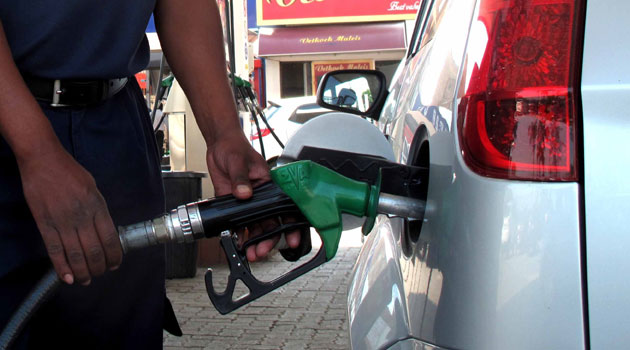
Kenyans are anxiously awaiting the May 14, 2026 fuel price review by the Energy and Petroleum Regulatory Authority (EPRA), following the severe fuel crisis that followed the April 2026 review, which pushed pump prices to record highs and triggered nationwide shortages, panic buying, and rising transport costs.
The Super Petrol price rose by Ksh28.69 to Ksh206.97 per litre during the April-May pricing cycle, whereas the price of diesel jumped by Ksh40.30 to Ksh206.84 per litre, one of the steepest monthly increases recorded in recent years.
Kenyans were outraged at the sudden hike, with motorists lining up at petrol stations ahead of the new prices. Long queues were observed throughout Nairobi and several towns, amid fears of a shortage of supplies or petrol.
Responding to the demand, public transport operators increased their fares, while businesses voiced concern that the higher fuel costs would have a direct impact on food and transport costs, as well as the cost of essential commodities.
You Might Also Like


The crisis added to the burden of the high cost of living and inflation on households already experiencing these problems.
In response, President William Ruto’s administration took action with a move to lower the VAT rate of the fuels from 16 per cent to 8 per cent in a bid to ease the impact of the high prices on the consumers.
Following the VAT reduction, which came into effect from Legal Notice No. 70 of 2026, EPRA reduced the prices from the date of the above-mentioned reduction up to May 14, 2026. Super petrol was slashed from Ksh206.97 to Ksh197.60 per litre, while diesel came down from Ksh206.84 to Ksh196.63 per litre. The price of kerosene did not change and was at Ksh152.78 per litre.
The cut saw a minimal change to bring down fuel prices, which are still much higher than in previous months and continue to put pressure on transport operators, manufacturers and ordinary consumers.
Wandayi’s assurance on Fuel availability
Energy Cabinet Secretary Opiyo Wandayi then took a step to assuage fears about the scarcity and high prices of fuel, saying Kenya had sufficient stock of fuel despite the crisis.
“The fuel supply hassles at some isolated filling stations in parts of the country were due to a technical and administrative glitch,” Wandayi said, while also reassuring Kenyans that supplies were underway in affected areas.

The CS also noted that the government had enough petroleum imports as per the government-to-government fuel importation arrangement to keep the market stable and safeguard the country from external shocks.
CBK anticipate higher fuel prices
Meanwhile, the Central Bank of Kenya (CBK) cautioned that world oil prices were still rising, with a view to exerting pressure on local pump prices on the eve of its upcoming EPRA review.
In April, Murban crude oil prices rose sharply due to supply disruptions and geopolitical tensions in global oil markets, according to the CBK Weekly Bulletin. As crude oil prices in the global market rose to exceed USD 92 per barrel by mid-April, the CBK warned Kenyans to brace for the EPRA to implement its recommendations, which will likely drive up fuel costs.
In addition, the central bank cautioned that it could further drive up inflation and raise transport and production costs throughout the economy if world crude oil prices stay high, which would put additional pressure on consumers.
As EPRA prepares to announce new fuel prices, the focus will be on how the regulator navigates these pressures and what the adjustments will mean for millions of Kenyans already feeling the strain of rising living costs.
However, before the next review by the EPRA on May 14, 2026, Kenyans are now hoping pump prices will be reduced or stabilised as the economy continues to recover from the April fuel shortage crisis that was affecting households and businesses.
Author
Latest News








Advertisement
More on Business