Advertisement
CS Lee Kinyanjui pushes for direct sea freight to cut Africa’s trade delays
Wednesday 28th January, 2026 03:41 PM|

Trade Cabinet Secretary Lee Kinyanjui has called for the establishment of direct sea freight services within Africa to reduce cargo transport time and unlock the continent’s trade potential under the African Continental Free Trade Area (AfCFTA).
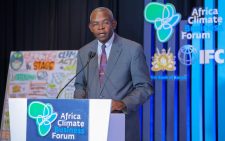
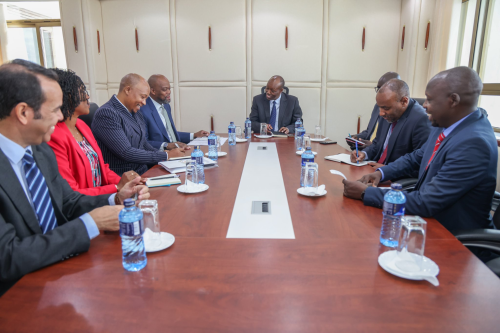
In a statement posted on his X account on Wednesday, January 28, 2026, the Trade CS revealed that he met with AfCFTA Secretary General Wamkele Mene and was encouraged by the progress made in advancing the continental trade agenda.
“I met the AfCFTA Secretary General, Wamkele Mene, today and was encouraged to note that all protocols have been concluded, with 50 states now on board,” he said.
Direct sea freight imperative
During the meeting, Kinyanjui highlighted the urgent need to address logistics constraints that currently force African goods to be shipped out of the continent before being shipped back, a process that can take up to 40 days.
You Might Also Like


“Regional trade, especially under the African Continental Free Trade Area is the antidote to increasing global turbulence. At the heart of this conversation is how to move people and goods efficiently through air, sea, and road networks,” Kinyanjui stated.
The CS noted that in 2022, African countries traded goods worth USD220 billion among themselves, with various governments issuing over 12,000 certificates of origin.
“This represents a huge market that we can tap into, but it also underscores the urgent need to address logistics constraints,” he stated.
The former Governor called on development banks to support the establishment of direct sea freight services to address the current inefficiencies in cargo transport.
“Development banks should support the establishment of direct sea freight services within Africa to reduce cargo transport time. Currently, our goods often have to be shipped out of the continent before being shipped back, sometimes taking up to 40 days,” Kinyanjui said.
Road and air connectivity
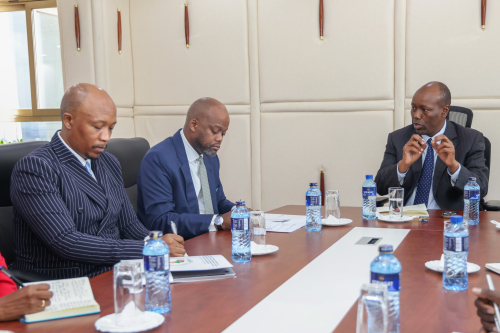
Beyond maritime transport, the Trade CS emphasised the need for improved road and air connectivity across the continent.
“Road and air connectivity within the continent must also be addressed through increased funding for road infrastructure and affordable regional flights. This is because to unlock trade, we must first unlock the movement of people,” he stated.

Kinyanjui affirmed Kenya’s readiness to leverage AfCFTA opportunities to boost job creation through strategic manufacturing sectors.
“Kenya is willing to take full advantage of the AfCFTA to create jobs through automotive and pharmaceutical manufacturing, both for local consumption and for export,” he concluded.
Author
Cy Muganda
View all posts by Cy MugandaLatest News








Advertisement
More on Business