Advertisement
Kenya tactician William Muluya reflects on how football coaching saved him from life of crime
Friday 27th October, 2023 01:30 AM|
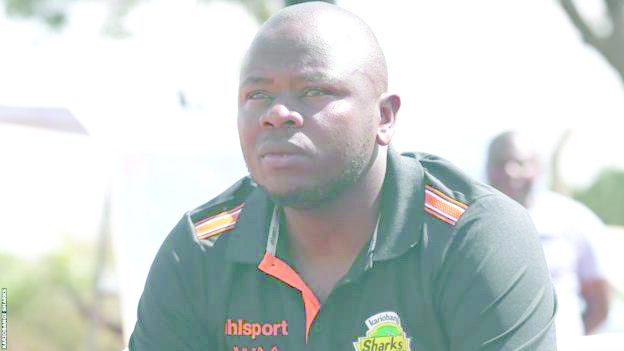
While football provides an escape from tedium for many people around the world, for Kenya assistant coach William Muluya the sport has offered a very different kind of get-away, guiding him away from a violent life in which he saw friends and team-mates die in “a hail of bullets”.
Initially a promising young goalkeeper, the 37-year-old switched to coaching nearly two decades ago and now fulfils a dual role as head coach of Kenyan Premier League side Kariobangi Sharks as well as his role with the men’s national team.
But Muluya’s life could have been very different.
He grew up in the Nairobi neighbourhood of Dandora, home to the largest rubbish dump in the Kenyan capital, alongside a brother and friends who were part of criminal gangs.
“During school holidays, many of my friends were killed in our neighbourhood,” Mulaya recalls, speaking to BBC Sport Africa.
“It was always painful seeing them lying in pools of blood.
“These are the people I grew up with. We did almost everything together. My brother had chosen the wrong ways and was in and out of jail.
“I saw criminal activities being planned in our house by my brother and some of my close friends.
“I knew when they were going for missions [and] the weapons they were going to use. But I wasn’t willing to be part of it.”
The young Muluya appeared to have a golden touch, from the church where he served as an altar boy to the football pitch where he was handed a nickname linked to Nigeria legend Nwankwo Kanu.
His coaching acumen was visible from those early days, as he constantly questioned the decisions of his own coaches at junior side Ajentos.
Muluya says coaching saved him from a life he could “easily” have pursued alongside his brother, Bernard Lugali.
“Football kept me busy in the time when I could have been in crime or serving as a tout.”
At the Dandora dump, other boys were being taught how to handle guns and organise robberies as part of the fight between gangs who wanted control of Nairobi’s public transport network.
“I saw my friends and brother doing those things and I was like, ‘for me, to make it in life I don’t need to get involved’.
Author
Latest News







Advertisement
More on Sports