Advertisement
Statements by Ruto, Mbadi outside Parliament are political gerrymandering – Waruku
Monday 28th July, 2025 08:31 AM|

Boaz Waruku, a leading education expert, has criticised recent remarks by President William Ruto and Treasury Cabinet Secretary John Mbadi, calling them “political gerrymandering.”
He said the two leaders were trying to backtrack on statements made in Parliament regarding the funding of free education.
Speaking during a radio interview on Monday, July 28, 2025, Waruku said the truth about the education crisis cannot be hidden, and Kenyans deserve to hear facts, not politics.
“When the CS for Treasury starts by indicating things which in his understanding are no longer tenable. He says it is no longer possible to afford free compulsory basic education. He says it is not sustainable and he is saying so you have put the context clearly within the parliament, a formal process meaning that that is the formal presentation he is having there.”
You Might Also Like
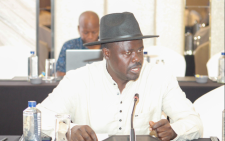
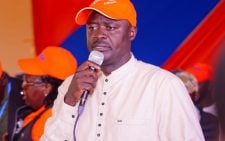
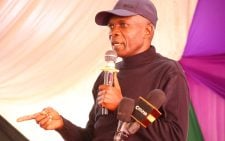
He referred to Mbadi’s earlier statement in Parliament that the government could no longer sustain free primary and secondary education due to budget limitations. Mbadi had also revealed that exam fees for learners would no longer be fully covered and that universities faced massive cuts, including staff layoffs and the closure of satellite campuses.
However, both Mbadi and President Ruto later made public statements outside Parliament suggesting the government was still committed to free education.
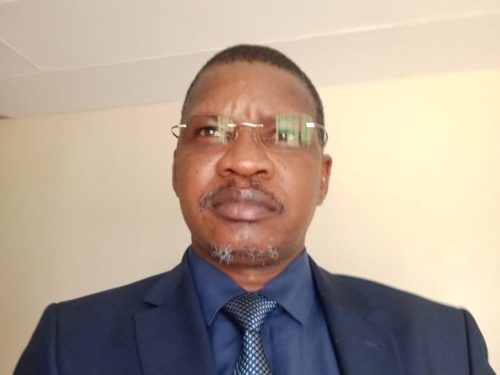
Waruku demands budget truth
Waruku questioned why leaders would change their tune after giving clear, formal presentations before lawmakers. He insisted that what Mbadi had told Parliament reflected the actual budget situation, including cuts in capitation and missing provisions for key costs like exam fees.
“Our analysis showed that some of the figures in the budget policy documents were not consistent,” Waruku said. “They allocated subsequently when the budget was being now adopted they added Ksh5 billion to that from a budget that we had said should have been Ksh9 billion because that is from the previous kind of the budget that they had.”
He added that these adjustments were made by pulling funds from already underfunded items such as capitation, which worsened the crisis.
“In other words it was defunding of education had began but it was a case of you slice your ear to block your nose or whatever it is because they plucked it from the capitation you know so that’s what the kind of thing that they were doing and the same capitation that they were pulling this some of these funds from had already been underfunded. “
According to Waruku, the government had not budgeted enough to support the full number of learners in the education system, from Grade 1 to high school.
The total education budget, he said, stood at Ksh701 billion, but key areas like teacher recruitment, capitation, and exam fees remained badly underfunded.
Author
Kenneth Mwenda
Kenneth Mwenda is a business, sports, and politics digital writer with over seven years of experience in journalism, covering breaking news, feature stories, and in-depth analysis across a range of beats.
For inquiries, he can be reached at [email protected]
View all posts by Kenneth MwendaLatest News

Advertisement
More on News