Advertisement
State turns to clergy to defend economy against rising misinformation
Friday 05th June, 2026 04:07 PM|
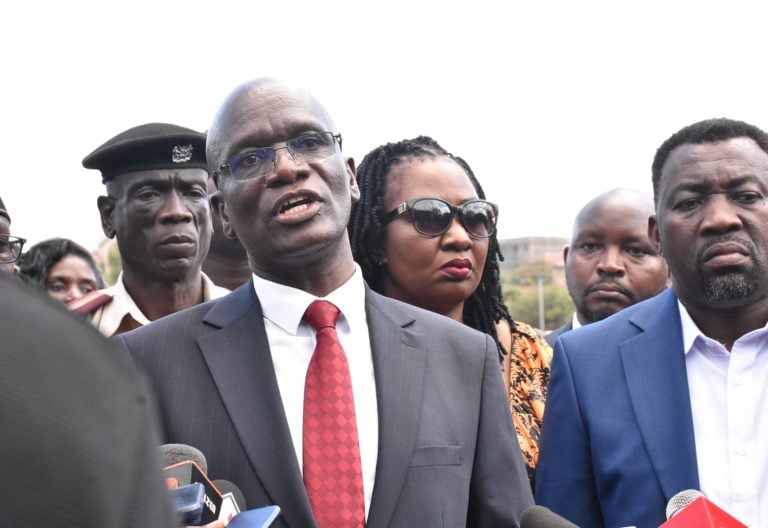
The government has intensified efforts to take economic policy discussions directly to ordinary Kenyans through religious leaders, as concerns grow over misinformation surrounding key government programmes and the Finance Bill.
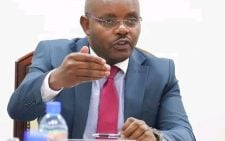
Speaking in Kisumu on Friday, June 5, 2026, during a meeting that brought together church leaders from across the county, Principal Secretary for Economic Planning Boniface Makokha said the initiative, dubbed Gumzo La Uchumi Mashinani, is designed to bridge the information gap between the government and citizens at the grassroots.
The programme seeks to engage groups often excluded from policy discussions, including boda boda operators, market traders, women, youth, persons with disabilities, and faith leaders.
According to Makokha, the initiative was born out of the realisation that many government programmes and economic reforms are often misunderstood or distorted before reaching the public.
You Might Also Like


“We want to reach wananchi where they are and explain what the government is doing, what is working and what is not working, while also receiving feedback from them,” he said.
He noted that religious leaders were deliberately included in the programme because of their influence and trusted position within communities.
“When I talk about religious leaders, I mean both church and mosque leaders. They interact with people daily and have a unique opportunity to help disseminate accurate information,” said Makokha.
The PS said the initiative started with a small meeting involving about 30 participants before expanding to other parts of the country.
Makokha revealed that one of the major objectives is to combat false information, particularly on economic policies and taxation matters.
He cited claims circulating online that the Finance Bill introduces taxes on freehold land ownership, dismissing them as false.
“There is no tax on freehold land in the Finance Bill. That information is propaganda and does not exist in the official document,” he said.
Proposed taxes on mobile phones
He also addressed concerns over proposed taxes on mobile phones, saying some online reports had misrepresented the government’s intentions.
According to the PS, the proposal seeks to consolidate several existing taxes into a single levy, which he said would ultimately lower the overall tax burden on consumers.
“The narrative that phone prices will increase because of a new tax is not accurate. What we are doing is consolidating multiple taxes that currently amount to about 55 per cent into one tax of 25 per cent,” he explained.
He noted that misinformation often thrives when there is limited access to official information, making direct engagement with citizens necessary.
“We have propaganda, and we have the truth. People must be able to differentiate between the two and authenticate the information they consume,” he said.
To ensure feedback from communities reaches government agencies, the programme has established a structured network of faith leaders at ward and county levels.
The leaders are expected to collect concerns from local communities and relay them through organised communication channels, including regular meetings and digital platforms.
Makokha said the network will also be used to communicate resolutions and updates arising from the engagements.
He argued that the success of the initiative can already be seen through improved information flow between government institutions and local communities.
“The impact is that government initiatives are now being communicated directly at the grassroots level without distortion,” he said.
At the same time, the PS dismissed suggestions that the government was using churches for political purposes, insisting that the engagements are solely focused on service delivery and public participation.
He maintained that the forums are intended to provide truthful information and create a platform where citizens can hold the government accountable.
“We are willing to listen. No institution is perfect, and where we are not doing well, wananchi should tell us. What matters is that we continue delivering services to the people,” he said.
The initiative comes at a time when the government is seeking to improve public understanding of economic reforms while rebuilding trust through direct engagement with communities across the country.
Latest News






Advertisement
More on News