Advertisement
State: Despite drought, power bill won’t go up
Monday 13th February, 2023 06:00 AM|
The government has moved to dispel fears over possible hike in power bills following the prolonged drought that has affected hydropower generation.
Energy Cabinet Secretary Davis Chirchir revealed that through the Kenya Electricity Generating Company PLC (KenGen) the government has stepped up production of electricity from geothermal sources to shield Kenyans from adverse effects of the prolonged drought.
Move comes against the backdrop of poor hydrology precipitated by five successive seasons of drought when the country received poor rainfall leading to low inflows in the large hydropower dams in the Eastern region.
“Last year, the long rains of March-April-May were poor and the same was experienced during the short rains of October-November-December.
“However, we have now stepped-up production from our geothermal power station to help meet the shortfall brought about by the low output from the hydropower stations,” Chirchir said.
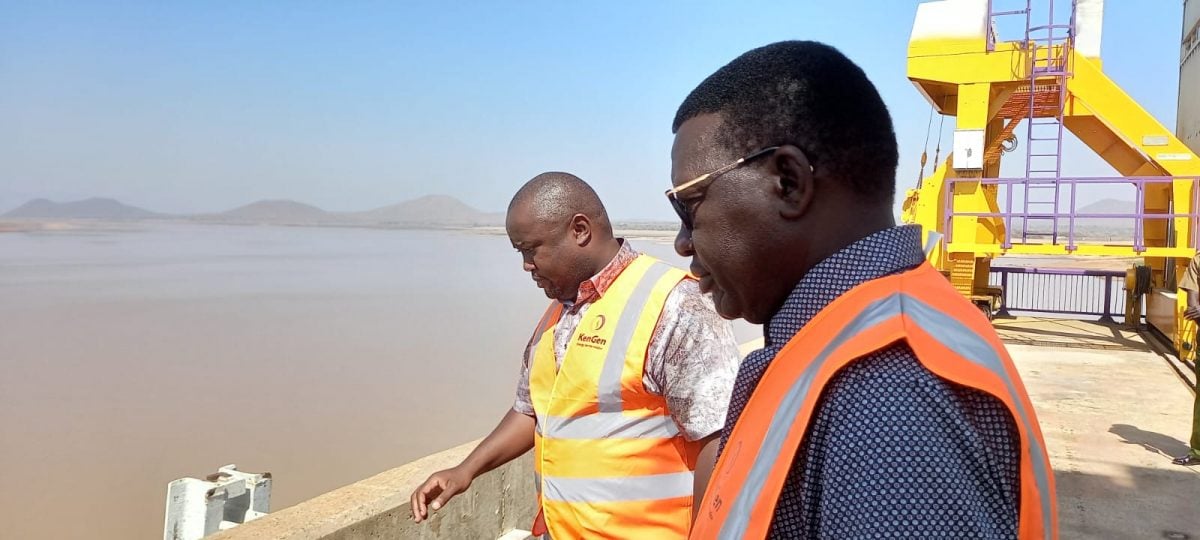
He was speaking at the Kamburu Hydroelectric Power Station in Embu at the weekend. This was after touring the Seven Forks stream – including Masinga Hydroelectric Power Station – which is home to Kenya’s largest hydropower dams. Chirchir said the failure of rains had adversely impacted the electricity output from all hydropower stations countrywide, a situation that has led power generators to turn to geothermal and other available energy sources to meet the current demand for power.
Reports from the Kenya Meteorological Department undicate that the country experienced the lowest rainfall in 2022 compared to the previous five years, leading to low water levels in all dams in the country.
“Despite the low inflows in our dams the whole of last year up to now, we have managed to stabilise generation from the hydropower station by implementing a robust prudent water management programme to ensure optimal generation for as long as possible,” the CS said. Chirchir was accompanied by Enery Principal Secretary Alex Wachira and Eng Julius Odumbe, KenGen’s Eastern Regional Manager in charge of operations and top engineers from the ministry.
The PS was categorical that there is no cause for alarm as more power has already been evacuated through a new geothermal line connecting Suswa through Isinya in Kajiado to Nairobi South, and expected to increase.
More optimistic
“In the last one month, once we opened the lines from Suswa-Isinya to Nairobi South at the Athi River and Embakasi sub-stations, we were able to evacuate much more power to Geothermal,” Wachira noted. He said currently that line is producing about 44 per cent of the power matrix from Geothermal, and sometimes it can go up to 48 per cent. “And, therefore that has helped us in terms of managing the thermal dispatches, and so even with the low hydrology we are not expecting that power bills will be that affected,” the PS added. He was even more optimistic that with more power expected from Ethiopia through the Eastern Power Link, to be commissioned soon, an estimated 180MW to 200 MW, will be generated.
Together with the ramping up of Geothermal, Wachira assured the public that the two renewable energy sources of power will aid the government’s efforts in managing the situation.
“So really, don’t expect much change in your power bills. We are managing the situation,” he stated.
As of Friday, February 10, the Masinga Dam reservoir, the largest in the country, was said to have 1,037 less than two and a half meters left for it to get to its lowest operating level of 1,035 meters above sea level (masl).
“In the likely event that we get near the levels of 1,036 masl at the Masinga Dam, we may have no alternative but to stop the machines in line with our standard operating procedures and best practices in hydropower plant operation and maintenance,” said Chirchir.
Chirchir said that thanks to the investments the country had made in geothermal energy over the years, Kenyans can rest easy knowing that their power supply will remain stable all through the season as the country prepares for the long rains that are expected in March.
Author
George.Kebaso
View all posts by George.KebasoLatest News








Advertisement
More on News