Advertisement
Stakeholders concerns as snake bite fatalities rise
Wednesday 06th August, 2025 01:20 AM|

Human snake bites are contributing to the growing number of disabilities in the country, and worse still, the Kenya Institute of Primate Research (KIPRE) is warning that the number of casualties is rising and could be in the thousands.
To be exact, KIPRE Director General, Peter Mwethera, puts the number of deaths from snake bites at 4,000 annually.
“Snake bite is a major problem in Kenya,” he stated, noting that Kitui county, where the institute is running various programmes on snake bites, is a hotspot.
“You’ll be horrified when you go to a ward and you find a child that was bitten on the hand, and the hand has to be amputated,” Prof Mwethera told People Daily during an interview at the institute’s Karen office.
You Might Also Like
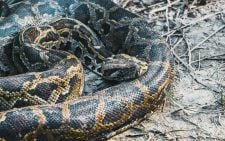
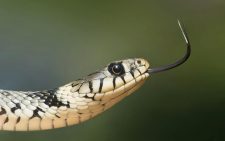
On May 20, at approximately 2 am, a two-year-old male child was bitten by a Red Spitting Cobra, known scientifically as Naja pallida, on the palmar region of his left hand while sleeping at home in Kitui Central Sub-County.
A hospital report shows that following the bite, the family immediately applied a tourniquet to the affected limb and rushed the child to a nearby clinic.
A tourniquet is a strip of cloth or a band of rubber which is wrapped tightly around a leg or an arm to prevent the flow of blood to the leg or the arm for a period of time.
At the clinic, antibiotics were administered to the child, and advised to return home.
Signs of gangrene
However, as the day progressed, his condition worsened, with the hand showing signs of gangrene, a serious condition where body tissue dies due to a lack of blood supply or severe bacterial infection.
The family then sought further medical care and presented at Kitui County Referral Hospital (KCRH) at approximately 5:30 pm on the same day.
Upon arrival at KCRH, the child was managed with 5 vials of antivenom. Due to the extent of tissue necrosis, the premature death of cells and living tissue and progressive gangrene, surgical intervention was necessary.
“The left hand was amputated at the wrist joint,” a KCRH medical report shows.
The child remained admitted at KCRH for ongoing wound care, monitoring, and recovery, and was discharged on June 27, 2025.
One of the setbacks in the fight against snakebite awareness in an African tradition is the mythical linkage to witchcraft practice, especially in Kitui County.
“It is, however, noteworthy that the parents did not associate the snakebite with any local beliefs or suspicions of witchcraft, and sought prompt medical care based on the clinical signs and symptoms,” Prof. Mwethera said.
In post-discharge care, the publication understands that the child was taken to Kitui Level 5 Hospital for routine physiotherapy as part of his post-amputation rehabilitation and long-term functional support.
Emotional recovery
The family is also undergoing counselling to support emotional and psychological recovery following the traumatic incident.
“KIPRE is actively engaging with partners to assist snakebite survivors with amputations. Efforts are underway to facilitate access to prosthetic limbs for affected individuals, such as this child, to help improve long-term quality of life and functionality,” Prof Mwethera revealed.
Snakebites are considered Neglected Tropical Diseases (NTDs) by the World Health Organisation (WHO). The WHO designated snakebite envenoming as an NTD in 2017.
This recognition highlights the significant public health burden of snakebites, particularly in low-resource settings, and the need for increased attention and resources to address this issue.
“And this is the reason snakebite is a major problem, first of all because it is neglected, and WHO in 2007 declared snake bite as a neglected tropical disease,” he said in the face of sustained efforts by the Institute to find a home-grown antivenom.
According to Prof Mwethera, the 4,000 annual fatalities could just be a conventional statistic, as it is not very clear because of the poor documentation.
“We have over 20,000 Kenyans who are bitten by snakes every year, and you’ll have around 8,000 of them who will suffer permanent disfiguration. Sometimes the 4,000 people say it’s 1,000, others 2,000, others 3,000. So there is no clarity in figures,” he said, but quickly pointed out that part of the institute’s programmes is to try and put together proper data.
In its latest Strategic Plan 2023-2027, KIPRE aligns it with key international and national development frameworks, including the Sustainable Development Goals (SDGs), East Africa Community Vision 2050, Kenya Vision 2030, the Fourth Medium-Term Plan (MTP IV), and the Bottom-Up Economic Transformation Agenda.
The Institute envisions becoming a centre of excellence in innovative research and conservation for enhanced human health, focusing on promoting health research and innovation, strengthening global health resilience through pandemic preparedness, climate change response, Antimicrobial Resistance (AMR) stewardship, snakebite research and intervention and biodiversity conservation.
Author
George Kebaso
View all posts by George KebasoLatest News








Advertisement
More on News