Siaya restructures health services as youth HIV infections surge
By Mary Goretty, July 2, 2026Siaya County has launched an emergency overhaul of its healthcare delivery system following a sharp rise in new HIV infections among adolescents and young people, as health officials warn that nearly half of all new infections are now recorded within the age group.
Speaking during a health workers’ training forum in Siaya Town, County HIV Programme Coordinator Zilper Ibuye said the latest 2026 HIV estimates show that adolescents and young people now account for 47 per cent of new HIV infections, up from about 40 per cent in previous estimates.
“The latest data shows that young people now contribute nearly half of all new HIV infections in the county,” Ibuye said, describing the trend as a major public health concern that requires urgent intervention.
Newly released HIV estimates
According to the newly released 2026 HIV estimates, youth now account for nearly half of all new infections in the region.
The data also highlighted a regression in mother-to-child transmission rates, which ticked upward from 6.2 per cent to 6.7 per cent, signalling a loss in previously hard-won clinical gains.
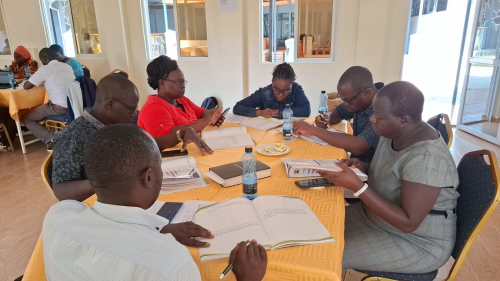
In response to the shifting financial landscape and rising infection rates, the Siaya County Department of Health has launched an internal system overhaul to prevent a catastrophic gap in service delivery.
Self-reliance
Godfrey Odhiambo Otieno, the Chief Nursing Officer at the Siaya County Department of Health, stated in Siaya town that the withdrawal of international partners and their personnel has necessitated an immediate pivot toward self-reliance.
“We are forced to restructure our systems internally to ensure that even with the dwindling support, we are still able to carry out the essential programs,” Otieno said. “Now that the donor community and NGOs are withdrawing… we are now forced to come in as the staff of the county government to fit into the shoes of the NGOs that were doing this work.”
The county’s primary strategy relies heavily on “service integration”, moving away from standalone HIV clinics to a holistic healthcare model where patients can access comprehensive care under one roof. To support this transition, the department is currently conducting intensive training for sub-county Trainer of Trainers (TOTs) across all administrative zones, including Bondo, Rarieda, Gem, Ugenya, Ugunja, and Alego.
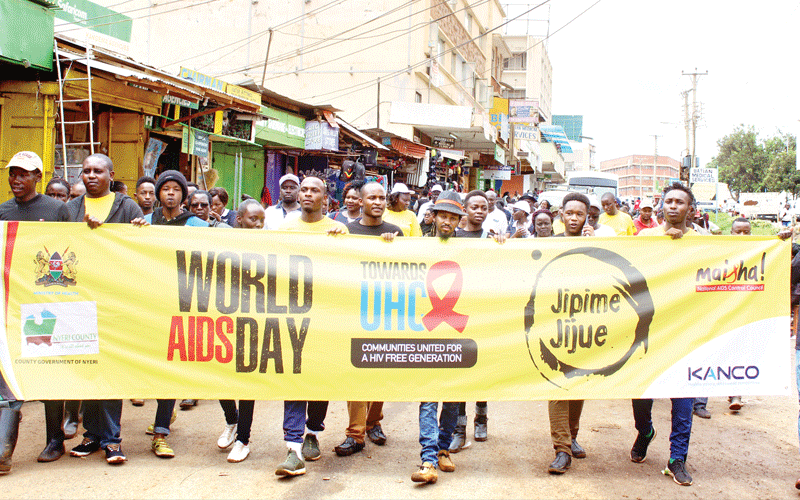
Health authorities are targeting prevention on multiple fronts. Ibuye emphasised the ongoing deployment of injectable Pre-Exposure Prophylaxis (PrEP), which protects individuals for two months at a time, alongside oral PrEP and Post-Exposure Prophylaxis (PEP) for survivors of sexual and gender-based violence.
Additionally, clinicians are urging expecting mothers to visit Antenatal Care (ANC) clinics early to trigger triple-testing for HIV, syphilis, and hepatitis B, which allows for early intervention to protect newborns.
While Otieno acknowledged that the county is entering a challenging operational period, he expressed confidence in the local workforce’s readiness to take the lead.
“We are looking forward, although to a challenging period, to tackling each challenge as it comes,” Otieno said to the attendants in Siaya town. “But more so because we are already prepared for that journey.”