Senators push for fuel tax cuts as KRA defends petroleum import framework
By Emmanuel Rono, June 4, 2026Senators have questioned the Kenya Revenue Authority (KRA) over the impact of multiple taxes on fuel prices, with some lawmakers calling for tax reductions and the suspension of certain levies to ease the cost-of-living burden on Kenyans.
Appearing before the Senate Standing Committee on Energy on Thursday, June 4, 2026, KRA officials defended the current petroleum taxation framework while outlining the agency’s role in fuel imports, customs administration and revenue collection.
Tana River Senator Danson Mungatana questioned KRA on the nine taxes and levies charged on petroleum products, seeking clarity on which could be eliminated to lower fuel prices.
“Among the nine taxes imposed on fuel, which taxes can be dropped to make the fuel cheaper in Kenya?” Mungatana asked.
The senator also challenged the government’s decision to focus solely on reducing Value Added Tax (VAT) when seeking to cushion consumers from high fuel costs.
“We want to know if we can give the minister powers to vary the other eight taxes on petroleum products,” he said.
Committee Chairperson and Siaya Senator Oburu Oginga echoed the concerns, questioning why the government had not spread tax reductions across all fuel-related levies instead of targeting VAT alone.
“Why did the government target VAT only instead of reducing all nine taxes and levies by a small margin?” Oburu posed.
KRA’s defence
Responding to the concerns, Lilian Nyawanda, Commissioner for Customs and Border Control at KRA, said the Cabinet Secretary had limited flexibility under existing law.
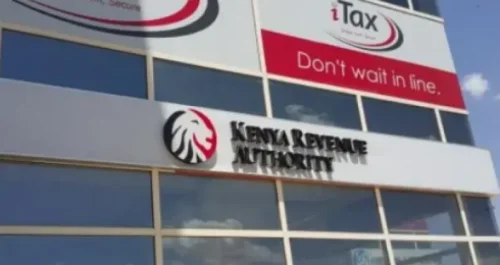
“The Cabinet Secretary had a leeway to reduce the VAT, and that is why he was quick to reduce it as the low-hanging fruit,” Nyawanda told Senators.
Nyawanda explained that VAT and excise duty are calculated differently, noting that VAT is charged based on customs value, which includes the cost of the product, freight and insurance, while excise duty is imposed according to the volume of petroleum products imported.
Senator Veronica Maina sought clarification on the timing of tax collection, asking whether levies are imposed before or after fuel is released into the local market.
Fuel shipment
Kakamega Senator Boni Khalwale raised questions about the controversial shipment of contaminated fuel delivered aboard MV Paloma and demanded accountability for the revenue collected from the consignment.
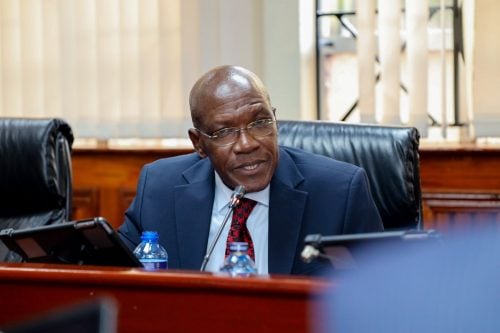
Khalwale further proposed the temporary suspension of the Railway Development Levy and the Road Maintenance Levy to ease pressure on consumers and businesses.
“We should stop the railway and road maintenance levy until the economy improves and the Iran-USA war ends,” he said.
Nyawanda attributed some of the difficulties to the large number of stakeholders involved in the sector.
“We have so many players in the fuel market that make it convoluted and hard to implement the integrated fuel system,” she told the committee.
In its submission, KRA maintained that its mandate is limited to customs administration, tax assessment and cargo clearance. The authority said petroleum imports are processed through the Integrated Customs Management System (iCMS), with taxes and levies collected before products are released for local consumption.
KRA also recommended enhanced integration of government systems and stronger reporting obligations among agencies involved in the petroleum supply chain. According to the authority, improved data sharing would strengthen accountability, transparency and operational efficiency within the sector.