Advertisement
Scapegoating will simply not cut it
Thursday 03rd June, 2021 12:00 AM|
What really is the fear against China that has made the Western world run scared? Pundits are increasingly posing this question as sentiments by the West towards the second largest economy in the world become more rabid.
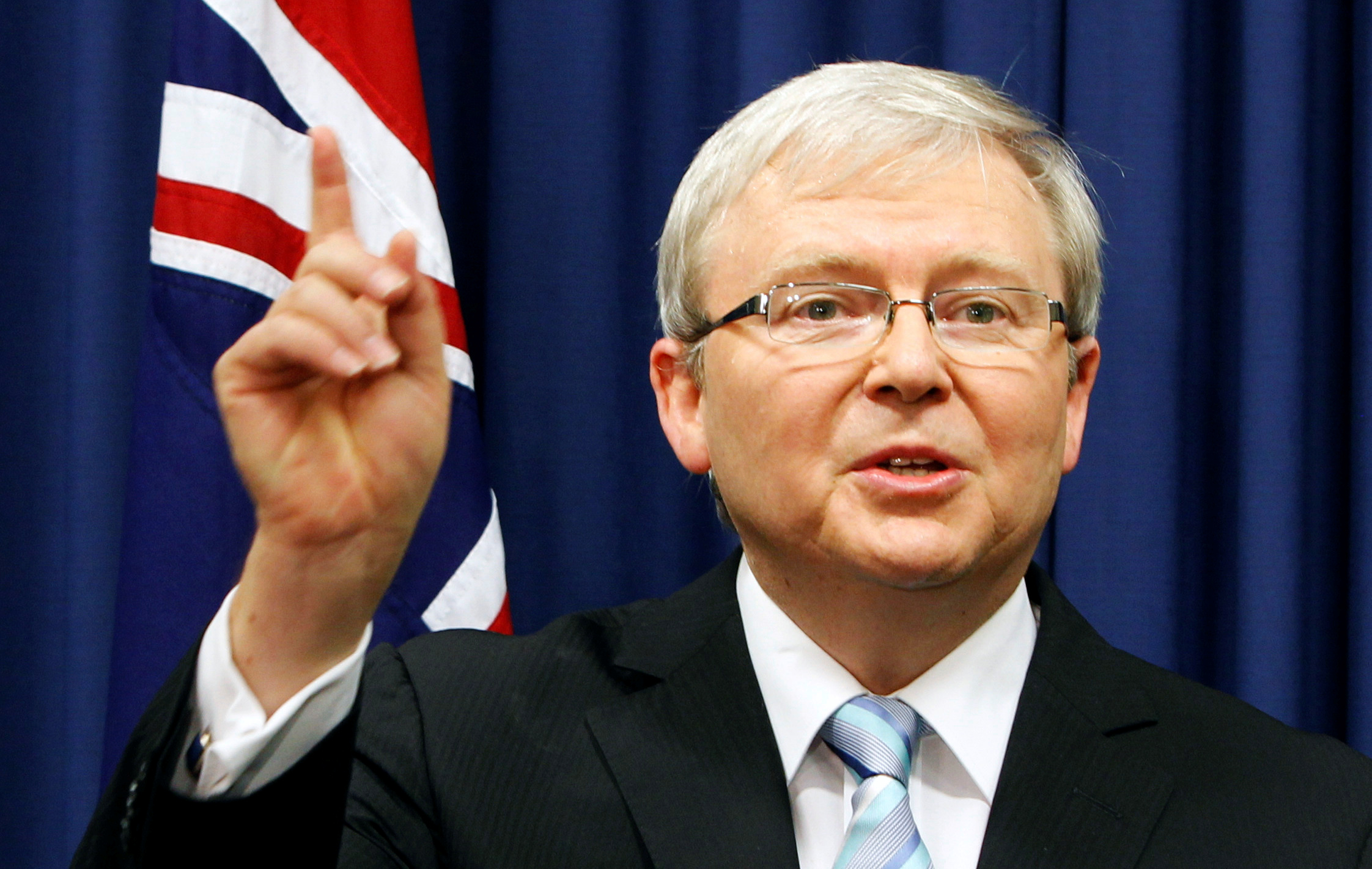
It seems like China can do no right in the world today, both at home and abroad. In one of the most blatant interviews on the subject last week, former Australia Prime Minister Kevin Rudd asked countries around the world to gang up against the Asian giant in order to undermine its growing economic and geopolitical influence.
“If you are going to have a disagreement with Beijing, as many governments around the world are now doing, it’s far better to arrive at that position conjointly with other countries rather than unilaterally, because it makes it easier for China to exert bilateral leverage against you,” Rudd told the British Broadcasting Corporation’s Talking Business Asia programme last Friday.
“If you are going to have a disagreement with Beijing, as many governments around the world are now doing, it’s far better to arrive at that position conjointly with other countries rather than unilaterally, because it makes it easier for China to exert bilateral leverage against you,” cautioned the ex-PM during the no-holds barred interview.
Such uncalled for sentiments against a geopolitical equal betrays the real intentions of those that purport to stand on the side of justice. But one can understand the frustration. Every single conspiracy theory by the West has been debunked and left the perpetrators with egg on its face. The most recent incidents come to mind. First was the baseless accusation that China was on a debt trap onslaught of third world countries.
After doing the math, it was actually discovered that developing countries actually owe much more to Western lenders and multi-lateral lending agencies than China. In any case, there are concrete projects that can be credited to China aid and development cooperation as opposed to much of the previous partners whose money has largely gone down the drain. The accusers were obviously hoping that this fact would be lost in their scheme to alienate the country’s allies.
The second failed conspiracy theory revolves around the baseless and absurd accusation that the coronavirus either inadvertently or deliberately emanated from the Wuhan Institute of Virology in Hubei Province. The claim originated from former U.S. President Donald Trump in 2020 as a way of covering up his bungling ways in handling the virus, which has costed the country dearly economically and socially.

It is easy to see why these and other machinations are not relenting even in the face of facts. The perpetrators have been caught off-guard and unable to envision a world where other major countries call the shots. The paranoia is borne out of the fact that the West is fast losing clout geopolitically. Branding China a global threat is quite flattering because the antagonists would be least bothered if the impact is negligible.
Honestly, as it is now in the current knowledge based global economy enhanced by proliferation of digital media, the world has a shortage of fools! Developing countries are not bereft of intelligence to discern when they are being led down the garden path by misleading information. They perfectly understand the causes of their developmental challenges and are thirsty for information from those who have overcome both internal and external challenges to overcome poverty.
Of course, the misinformation tinged with envy is aimed at diverting attention away from one of China’s latest feats as the country celebrates a centenary of transformation under the Communist Party of China (CPC). By defeating extreme poverty in 2020, the country managed to build a moderately prosperous society in all respects.
The next leap in this journey now entails building a fully-fledged modern socialist country as contained in the CPC Central Committee’s proposals for the formulation of the 14th Five-Year Plan (2021-2025) for National Economic and Social Development and the Long-Range Objectives Through the Year 2035. By default, this will put the country squarely in the middle of global developments, further tilting the geopolitical landscape away from the traditional balance.
The writer is the Executive Director of South-South Dialogues, a Nairobi based research and development communication think tank.
Author
Stephen Ndegwa
View all posts by Stephen NdegwaLatest News





Advertisement
More on News