Ruto’s diplomatic marathon: Inside the president’s high-stakes June travel schedule
By Mustafa Juma, June 6, 2026Fresh from his South African tour, President William Ruto is preparing for another demanding stretch of international diplomacy that will see him shuttle between Europe’s political and economic power centres in what is shaping up to be one of the busiest months of his presidency.
From Brussels to Helsinki and finally Évian, France, Ruto’s June 2026 itinerary reflects Kenya’s increasingly aggressive foreign policy posture as Nairobi seeks greater influence in global affairs, expanded trade partnerships, climate financing, and new investment opportunities.
The diplomatic marathon comes at a time when Kenya is simultaneously battling domestic economic pressures while attempting to position itself as a strategic gateway for Africa in international diplomacy and commerce.
South Africa trip sets the stage
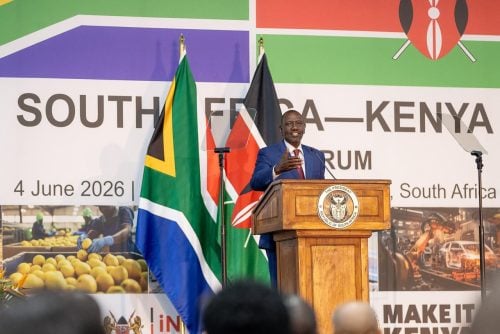
Ruto returned to Kenya on Friday, June 5, 2026, from South Africa, where his administration pursued bilateral engagements focused on trade, investment, regional cooperation, and economic partnerships.
The visit added to Kenya’s broader diplomatic outreach strategy aimed at strengthening ties not only within Africa but also with global economic powers.
Ruto pledged to deepen economic, diplomatic, and strategic ties with South Africa, saying the two nations are key players in elevating Africa’s voice on the global stage.
The President said stronger relations between the two countries will position them as key drivers of Africa’s transformation and influence in the emerging global order.
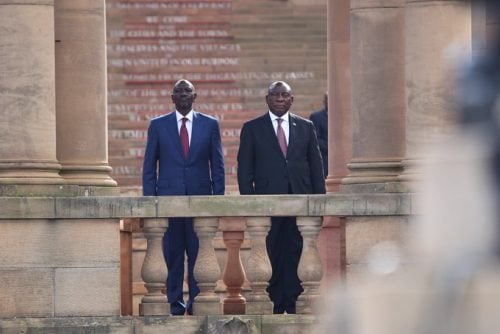
Speaking in Pretoria at a joint press conference with President Cyril Ramaphosa of South Africa on his last day of a two-day State Visit on Thursday, President Ruto commended the longstanding relationship between Kenya and South Africa and called for greater African unity amid shifting global dynamics.
The two Heads of State held bilateral talks focused on strengthening cooperation in trade, investment, education, health, aviation, maritime affairs, and cultural exchange.
Ruto’s Brussels trip
Ruto’s next major stop will be Belgium, where he is scheduled to hold talks with King Philippe at the Royal Palace in Brussels on June 8, 2026.
The Brussels visit is expected to carry both diplomatic and economic significance.
Belgium remains an important player within the European Union, and Kenya has in recent years intensified efforts to strengthen trade and investment ties with European partners, particularly under Economic Partnership Agreements involving the EU.
The visit also comes amid ongoing discussions around trade frameworks, investment cooperation, climate financing, and regional security partnerships.
Ruto’s Finland visit
Following Brussels, Ruto is set to undertake a historic state visit to Finland on June 10–11, 2026.
The Nordic nation has increasingly become attractive to African economies due to its focus on technology, renewable energy, education systems, innovation, and digital transformation.
The visit will be hosted by the President of the Republic of Finland, Alexander Stubb, and his spouse, Suzanne Innes-Stubb, marking a significant moment in Kenya–Finland relations as the two countries deepen bilateral and multilateral cooperation.
According to an official statement shared by the Office of the President of the Republic of Finland on Tuesday, June 2, 2026, the visit to Finland will centre on strengthening diplomatic relations, expanding trade ties, and enhancing cooperation on global issues, including reform of the multilateral system, peace mediation, and development of the United Nations framework.
The G7 Summit
Perhaps the most consequential stop in Ruto’s June diplomatic calendar will be the G7 Summit in Évian, France, scheduled from June 15 to June 17, 2026.
The summit brings together some of the world’s most powerful economies and serves as a major platform for discussions on global economic policy, security, climate change, development financing, and geopolitical cooperation.
For Kenya, participation in the summit signals the country’s growing international relevance and Africa’s increasing push for inclusion in global decision-making platforms.
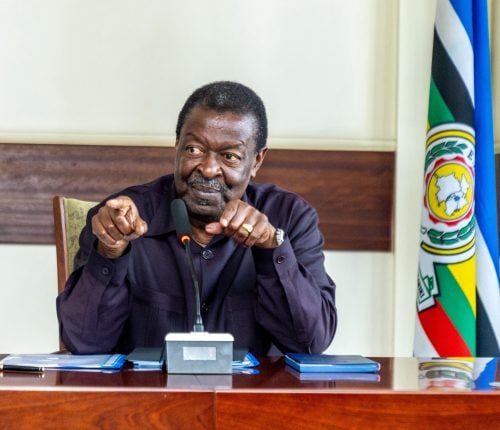
Prime Cabinet Secretary Musalia Mudavadi confirmed that President Ruto will attend the upcoming G7 Summit after receiving an invitation ahead of the leadership transition to France.
Mudavadi told a local television station in an interview on Sunday, May 10, 2026, that the invitation signifies Kenya’s increasing diplomatic prominence in the world and its burgeoning presence as an African voice in international affairs.
“France is taking over the G6 leadership next month, and President Ruto has been invited to attend the G7 session. This gathering gives him legitimacy on behalf of the continent to be able to canvass certain positions,” Mudavadi said.
The balancing act between global diplomacy and domestic politics
While the administration views the international engagements as strategic opportunities to unlock investments and strengthen Kenya’s global standing, the president’s frequent foreign travel has occasionally attracted criticism from sections of the public and political opposition.
Critics often question the immediate domestic impact of high-profile diplomatic tours at a time when many Kenyans continue to face economic hardship, unemployment, and high living costs.
Supporters of the administration, however, argue that modern economic diplomacy requires active engagement with global partners and that attracting investment, financing, and trade opportunities cannot happen in isolation.
For Ruto, the challenge will remain translating international visibility into tangible local benefits.