Ruto’s Cabinet approves phase III of Kenya-China project to equip 70 TVETs
By Cynthia Lodite, February 10, 2026The Cabinet has approved Phase III of the Kenya-China Project, expected to equip at least seventy Technical and Vocational Education and Training colleges with modern training equipment.
In a meeting held at State House, Nairobi, on Tuesday, February 10, 2026, the Cabinet announced that the programme is set to cover eight priority technical disciplines and train 1,190 instructors.
“The Cabinet authorised Phase III of the Kenya-China Project to equip 70 Technical and Vocational Education and Training colleges with modern training equipment, enabling full rollout of Competency-Based Education and Training,” the Cabinet stated.
In addition, the Cabinet noted that the project strengthens industry-relevant skills as it seeks to support MSMEs and advance human capital development under Vision 2030.
“The programme will cover eight priority technical disciplines and train 1,190 instructors, strengthening industry-relevant skills, supporting MSMEs, and advancing human capital development under Vision 2030,” the Cabinet added.
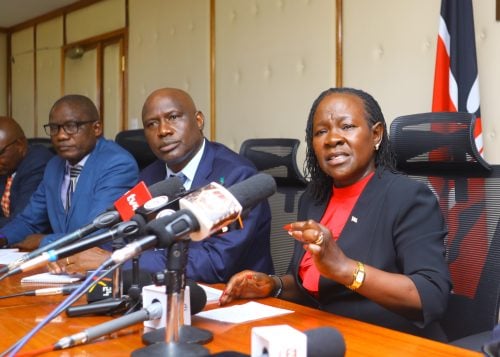
TVETs funds mismanagement
The approval comes days after the Public Investments Committee on Governance and Education had exposed significant governance gaps, financial mismanagement, and inclusivity concerns in several technical and vocational education and training (TVET) institutions across the country.
In a statement posted on Parliament’s Facebook account on Friday, January 30, 2026, the Committee revealed findings from its scrutiny of reports from the Office of the Auditor-General on various TVET institutions, while also recognising institutions that have demonstrated compliance and good practice.
“We are devoted to ensure public resources are safeguarded and service delivery in the education sector is top-notch,” the Committee Chairperson Wanami Wamboka stated.
Kisiwa Technical Training Institute
The Committee’s review of Kisiwa Technical Training Institute for the 2022/2023 financial year revealed unresolved issues around land ownership, with management failing to provide documentation for one parcel of land.
Members raised alarm over the institution’s staffing profile, noting that 86 per cent of employees come from a single ethnic community.
“The Committee termed this imbalance unacceptable for a national institution and instructed management to ensure ethnic diversity reflective of Kenya’s national character within two years,” the statement read.
Financial accountability at Kisiwa also came under sharp focus after audit reports revealed unutilised HELB loans and bursaries amounting to Ksh22 million, held after funds were disbursed late to students who had already cleared their fees.
The Committee directed that the money be refunded to allow other beneficiaries to access support and signalled plans to pursue policy reforms for efficient reallocation of such funds.
Members additionally questioned the procurement of an institutional vehicle through an open tender instead of existing government procurement frameworks, directing management to provide full justification and documentation.