Ruto: First 100K electric vehicles to be imported duty-free
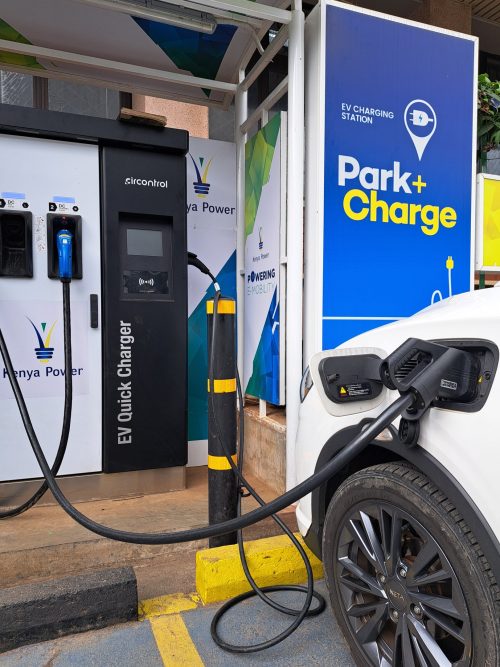
By Emmanuel Rono, May 22, 2026President William Ruto has announced that the first 100,000 electric vehicles (EVs) imported into Kenya will be exempt from import duty, stating that it is aimed at accelerating the country’s transition to clean energy transport.
Speaking during a presser on Friday, May 22, 2026, in Mombasa, the Head of State said the incentive will apply to both public service and private vehicles as the government seeks to lower the cost of EV adoption and encourage wider uptake across the transport sector.

“I am making a declaration that the first hundred thousand electric vehicles to be imported into Kenya, whether for private or public use, will be duty-free,” Ruto said.
Position Kenya as regional hub for electric mobility
Ruto noted that the move is part of a broader strategy to position Kenya as a regional hub for electric mobility, including plans to attract investment in local EV manufacturing and assembly plants.
He noted that the government is focused not only on solving the current fuel crisis but also on creating a safer environment for the future generation.
“This is not only about overcoming the current crisis but also about building a more self-reliant, resilient, and economically secure Kenya for generations to come,” Ruto said.
Launch of Electric Mobility Policy
Speaking after the launch of Kenya’s National Electric Mobility Policy on Tuesday, February 3, 2026, Chirchir described the policy as a major milestone in the transition to a cleaner, more resilient transport system in Kenya.
“Electric mobility is crucial to reducing greenhouse gas emissions, decreasing reliance on imported fossil fuels, and fostering economic growth through local manufacturing and job creation,” Chirchir said.

According to Chirchir, the electric mobility policy, which is anchored in the Vision 2030, will see Kenya reduce greenhouse gas emissions by 32 per cent by 2030.
“These priorities are firmly anchored in the Bottom-Up Economic Transformation Agenda (BETA), Medium Term Plan IV, Kenya Vision 2030, and the Kenya Kwanza Manifesto,” he added.
Likewise, the CS has explained that electric vehicles have hit the market, with registered electric vehicles rising from 796 in 2022 to 24,754 in 2025.
“Kenya has committed to reducing greenhouse gas emissions by 32% by 2030, in line with the Paris Agreement, with electric mobility identified as a key strategy. Market confidence is already evident, with registered electric vehicles rising from 796 in 2022 to 24,754 in 2025, “Chirchir explained.