Advertisement
Former EACC boss Ringera proposes measures to be taken if war on corruption is to be won
Wednesday 12th July, 2023 05:49 PM|
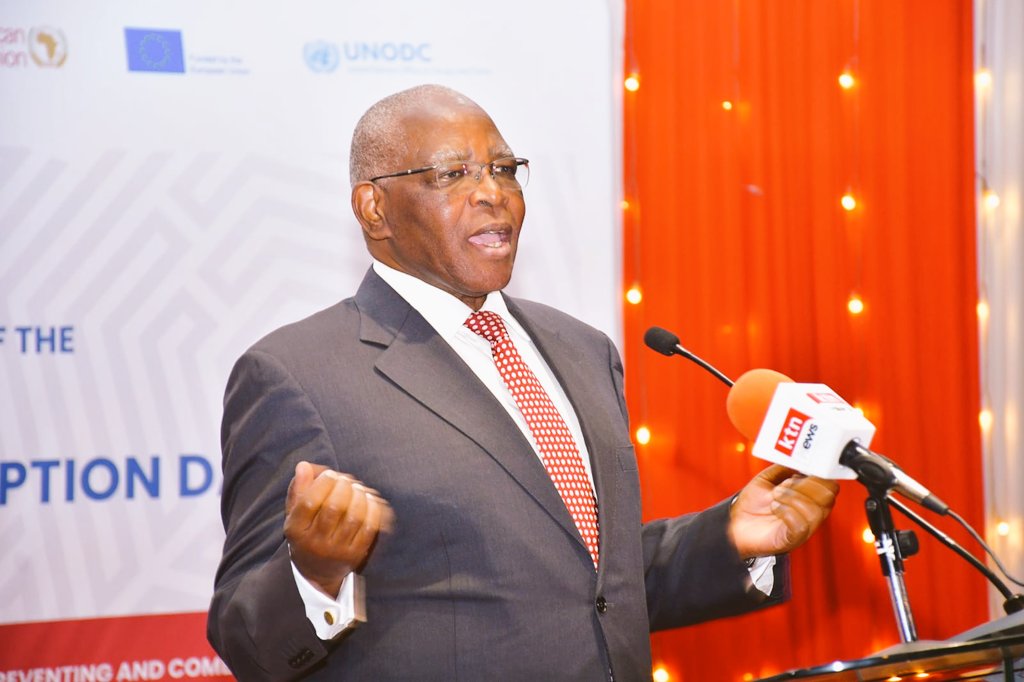
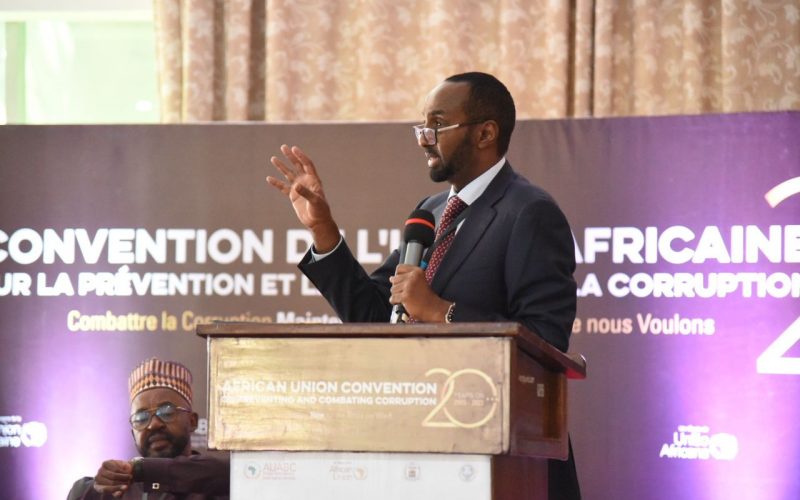
Retired justice Aaron Ringera has enumerated various ways Kenya can successfully wage war against corruption.
Corruption has been singled out as a major cause of economic stagnation, and Ringera, who once served as the Ethics and Anti-Coruption Commission chair, has explained how the war can be won.
“Infusion of compulsory ethical training in Kenya’s education system I am informed that in the quest to inculcate values among young people, EACC, in collaboration with the Ministry of Education, has infused integrity content in the basic education curriculum.
“This is a good move. Remarkably, the Competency-Based Curriculum (CBC) is value-based and expected to promote values such as integrity, patriotism, respect, and responsibility among the learners. Consequently, higher learning institutions, including universities and colleges, should follow suit and incorporate a common course unit focusing on Ethics and National values,” Ringera said.
Wealth declaration
According to the retired judge, the declaration of wealth by officials in the government is an effective way of beating the corruption scourge. This method has been put to use in the recent past, but whether it has been successful or not remains debatable.
“Wealth declaration by all public officials In keeping with the national values of integrity and transparency enshrined in Article 10 of the Constitution, the law relating to wealth declaration should be reviewed to make it more effective and achieve its intended objectives. Those who wish to serve in government must know that once you become a public officer, you seize your private self and become public property.
“The secrecy of wealth declarations should, in the interests of transparency, be discarded to allow public scrutiny. In the same breath, I note that the Conflict-of-Interest Bill, 2023, which embodies very progressive anti-corruption measures, is at an advanced stage of enactment in the National Assembly. Enactment and effective enforcement of a strong law on conflict of interest such as the one before parliament will go a long way to tame graft in the country,” Ringera added.
Apart from EACC, there is a special court established to charge, fine, or even convict persons found guilty of corruption in the country. To Ringera, enhancing the capacity of anti-corruption agencies will go a long way toward taming the scourge.
“To enhance efficiency in the fight against corruption, there is a need to strengthen the capacity of key agencies such as EACC, the Judiciary, the Auditor General, and the ODPP [Office of the Director of Public Prosecutions] by enhancing their budgetary allocation.
“It is also imperative that corruption cases be heard and determined expeditiously. In that regard, the law should prescribe the timelines for the hearing and determination of those cases in the same manner as for election petitions,” he explained.
Asset recovery
EACC has been at the forefront of recovering assets that were acquired through corruption, and Ringera lauded the agency as well as the judiciary for implementing this recovery process.
“Corruption is not a crime of passion. It is a premeditated crime, usually for material benefit. The Strongest deterrent to crime is not a long prison sentence but the deprivation of the gain thereby acquired. In this regard, I commend EACC for intensifying its asset recovery crusade. In the same breath, I commend the Kenyan Judiciary for developing a friendly asset recovery jurisprudence.
“The combined efforts of the EACC and the Judiciary have given hope to Kenyans that the fight against corruption is not mere rhetoric. The efforts have struck terror in the hearts of the corrupt, who know that their material gains are only a corner away from being recaptured. This strategy should be revamped and strengthened so as to be more effective in dislodging the benefits that accrue from corruption.
“Revamping of asset recovery should include the enactment of an enabling legal framework for EACC to retain a percentage of what it recovers so that there is no time the commission is without resources to undertake its asset recovery mandate.”
Author
Joel Sang
View all posts by Joel SangLatest News






Advertisement
More on News