Advertisement
Reuben Kigame criticises African leaders over foreign deals, identity crisis
Saturday 20th December, 2025 07:27 AM|

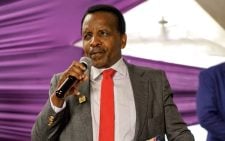
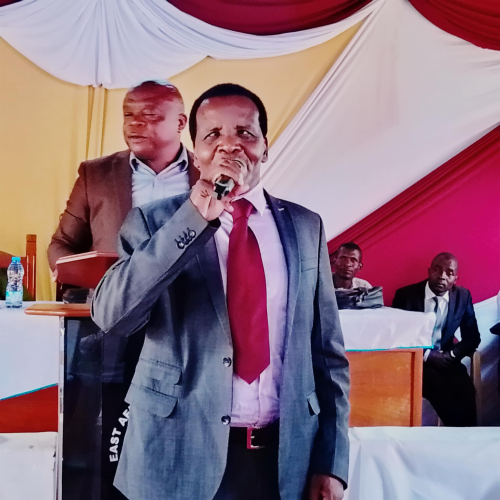
Gospel musician and politician Reuben Kigame has aimed at African leaders, he says have lost confidence in their own people and systems, accusing them of placing foreign interests above the welfare of citizens on the continent.
In a statement shared on X on Saturday, December 20, 2025, Kigame questioned the mindset of leaders who, in his view, believe that solutions from outside Africa are always better than those developed locally. He said this thinking has led to decisions that hurt ordinary people while benefiting foreign powers.
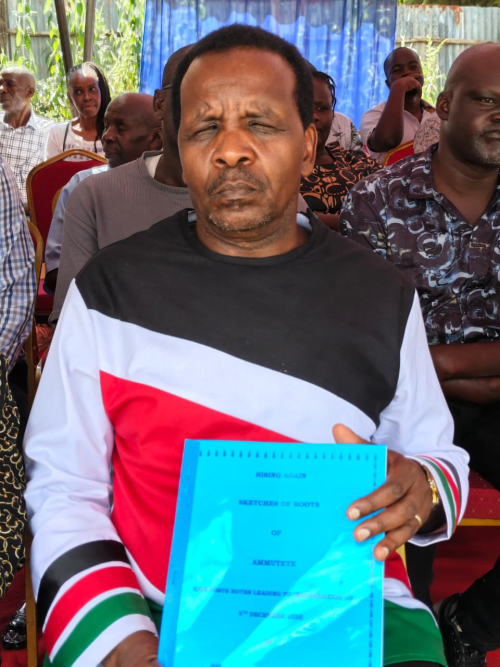
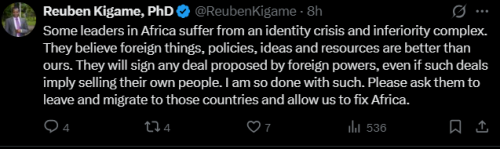
“Some leaders in Africa suffer from an identity crisis and an inferiority complex. They believe foreign things, policies, ideas and resources are better than ours,” the statement reads
Kigame has raised concerns about deals signed by governments, especially when the outcomes are not clearly explained or when communities feel excluded from the benefits.
You Might Also Like

“They will sign any deal proposed by foreign powers, even if such deals imply selling their own people,” he wrote
The musician said such decisions reflect a deeper problem of leadership that prioritises external approval over accountability to citizens. His comments come at a time when discussions around debt, natural resources, labour agreements, and foreign investments continue to dominate public discourse in many African countries.
“I am so done with such,” he wrote
Kigame went further to suggest that leaders who no longer believe in Africa’s ability to chart its own path should step aside. He argued that progress on the continent depends on leaders who trust local ideas, skills, and resources, and who are willing to stand firm in negotiations with powerful global players.
“Please ask them to leave and migrate to those countries and allow us to fix Africa,” the statement reads
As African nations continue to engage with global partners, Kigame’s remarks add to the wider conversation about the recent deal between Kenya and the United States that many have raised concers on how those relationships should be shaped, and who ultimately benefits from them.
Author
Latest News








Advertisement
More on News