Advertisement
People Daily featured among top sources for corruption awareness
Tuesday 05th August, 2025 03:09 PM|
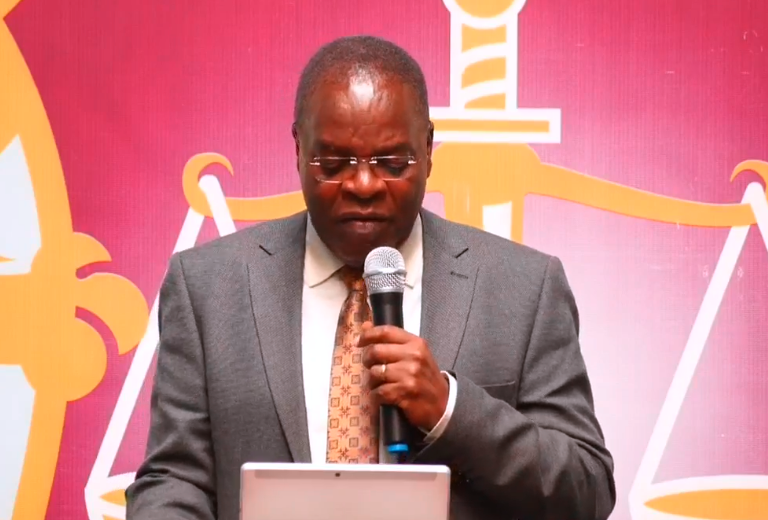
The latest National Ethics and Corruption Survey by the Ethics and Anti-Corruption Commission (EACC) has highlighted the important role of newspapers in keeping Kenyans informed about corruption and unethical conduct, with People Daily named among the widely read publications contributing to public awareness.
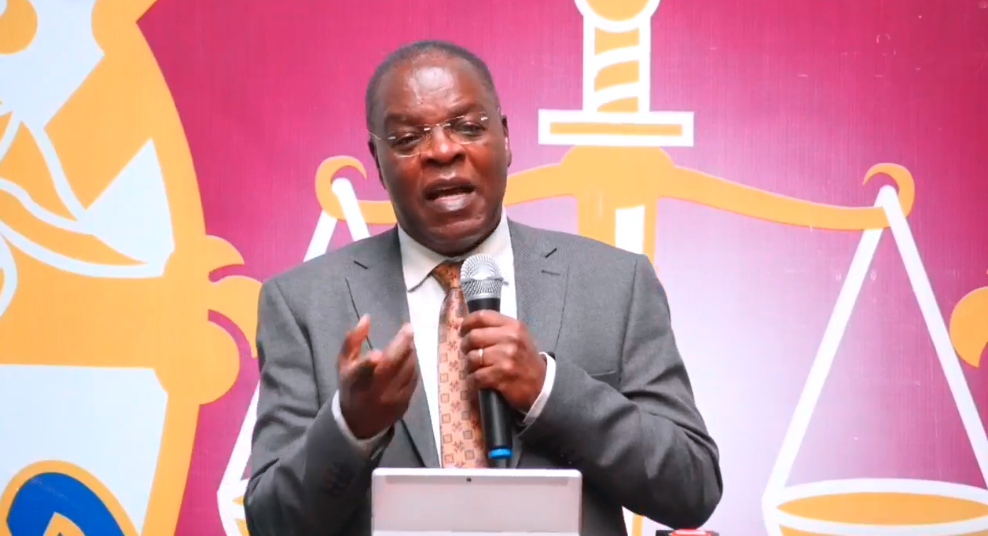
The report, launched in Nairobi on Tuesday, August 5, 2025, by EACC Chairperson Bishop David Oginde, shows that print remains a key channel for delivering anti-corruption information alongside television, radio, and social media.
Trusted source of information
The survey confirmed that newspapers continue to play an influential role in informing Kenyans about corruption. The Daily Nation recorded readership at 46.2%, The Standard at 26.2%, Taifa Leo at 8.1%, and the People Daily, among other widely circulated publications.
This print reach, the report noted, complements other platforms such as television and radio, ensuring anti-corruption messaging reaches audiences across different regions and age groups.

Most trusted medium
You Might Also Like


Television viewership for corruption-related news was led by Citizen TV at 70.9%, followed by Inooro TV at 8.3%, KTN at 5.5%, and NTV at 4.0%. Radio remained the most trusted medium, with 73.6% of respondents citing it as their main source of information, followed by television at 64.6%, social media at 32.6%, and word of mouth at 16.0%.
Regional and vernacular radio stations were the most listened to at 33.9%, followed by Radio Citizen at 19.4% and Radio Jambo at 8.7%.
Social media also featured prominently, with Facebook leading at 45.5%, followed by WhatsApp (23.5%), X (9.3%), TikTok (8.8%), YouTube (7.4%), and Instagram (2.3%).
Concerns about corruption trends
Beyond media consumption, the EACC findings reveal a growing sense of frustration among the public regarding the country’s anti-corruption efforts. According to the survey, 83.3% of Kenyans believe the fight against corruption is headed in the wrong direction, while 67.6% feel corruption and unethical conduct are now very high, compared to 57.3% in 2023.
Respondents cited lack of political will, slow legal processes, and perceived protection of powerful individuals as key reasons for the public’s diminishing trust.
Deeply entrenched bribery
The report also shows that 30.5% of Kenyans seeking public services in 2024 were asked for a bribe. County government jobs topped the list of the most expensive services to secure through bribery, with the average bribe standing at Ksh243,651.
National government tenders averaged Ksh100,000 in bribes, while Teachers Service Commission job placements averaged Ksh72,665. The highest bribery rates were recorded in Elgeyo Marakwet, Marsabit, and Wajir, where all respondents reported paying a bribe to access services.
Calls for stronger partnerships
Bishop Oginde emphasised that effective collaboration between the EACC, media houses, and other institutions is essential to ensure accurate, timely, and accessible anti-corruption information reaches all Kenyans.
He noted that public education campaigns, investigative reporting, and consistent coverage of corruption cases play a critical role in empowering citizens to speak out and demand accountability.
Author
Latest News




Advertisement
More on News