Parliamentary Security Committee backs bill to limit protest zones near key govt buildings
By William Muthama, July 1, 2025In response to last week’s turbulent protests commemorating the June 25 demonstrations, the Parliamentary Administration and Internal Security Committee has backed the Public Order (Amendment) Bill, 2025.
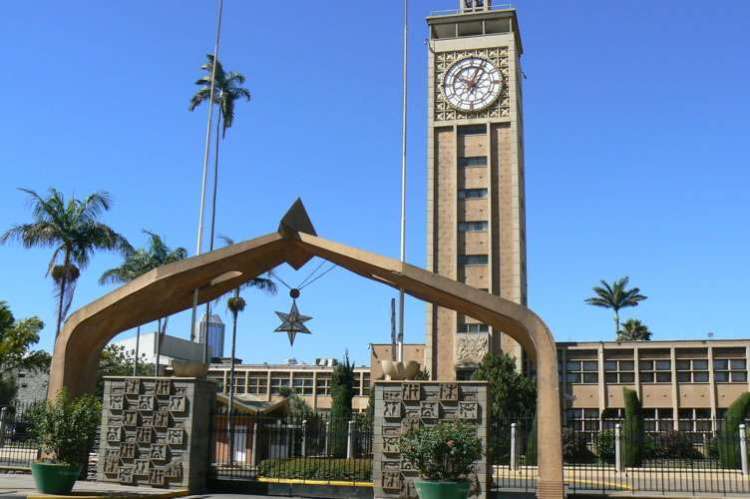
The legislation seeks to prohibit public gatherings within a 100‑metre radius of designated government sites such as Parliament, State House, and judicial courts.
The endorsement came on Tuesday, July 1, 2025, during a session at Bunge Towers.
Drawing wide attention, the bill was supported during a parliamentary committee meeting, with Nairobi woman representative Esther Passaris leading its sponsorship.
Passaris framed the proposal as a necessary response to the escalating chaos witnessed in recent demonstrations. “Public calls to invade Parliament and State House circulated online… These are not peaceful protests. Rights have been turned into ruins,” she told lawmakers.
She emphasised that the Constitution safeguards peaceful assembly, but that these freedoms should be exercised with responsibility. Citing Article 24, she clarified that reasonable and justifiable limitations are constitutionally permissible.
Under the draft legislation, anyone found organizing or participating in protests within the restricted zones could be fined up to Ksh100,000, jailed for up to three months, or both.
The bill also grants the Interior Cabinet Secretary the authority, working alongside county governments, to designate authorised protest zones within urban centres, ensuring public demonstrations occur in safe and visible locations.
Committee chair Gabriel Tongoyo (Narok West) described the timing of the bill as crucial. “The country is at a crossroads; we must take lessons. As much as citizens have a right to picket, it must be done in an orderly manner,” he told the committee.
Mandera East MP Hussein Weytan echoed this sentiment, warning that unrestricted access to sensitive sites posed a serious threat to institutional security. “Nobody is safe. Anytime people can come to Parliament, go to State House, go to police stations,” he stated.
However, not all MPs were fully on board. Homa Bay Town MP Peter Kaluma urged clearer definitions in the bill – particularly regarding issues that should be petitioned via court channels versus those warranting public demonstrations. “That law should also define what matters we should assemble [over]… Is that a matter of petition in court or a matter of demonstration?” he asked.
Kisumu County’s Rosa Buyu raised the fundamental question about protest effectiveness: “If you designate areas with no people… are you effectively curtailing their freedom of expression?”
Nyakach MP Aduma Awour cautioned against hurried lawmaking, asking whether mass peaceful protests near Parliament should be met with force. “If you say people should not come near Parliament and they come in their thousands, will you shoot them all?” she challenged.
In response, Passaris clarified that this proposal differs from last year’s contentious Assembly and Demonstration Bill; it aims not to control individual conduct but to create safe, structured environments for protests.