Advertisement
Over 40,000 lives lost annually to FGM in Africa
Monday 02nd October, 2023 06:27 AM|
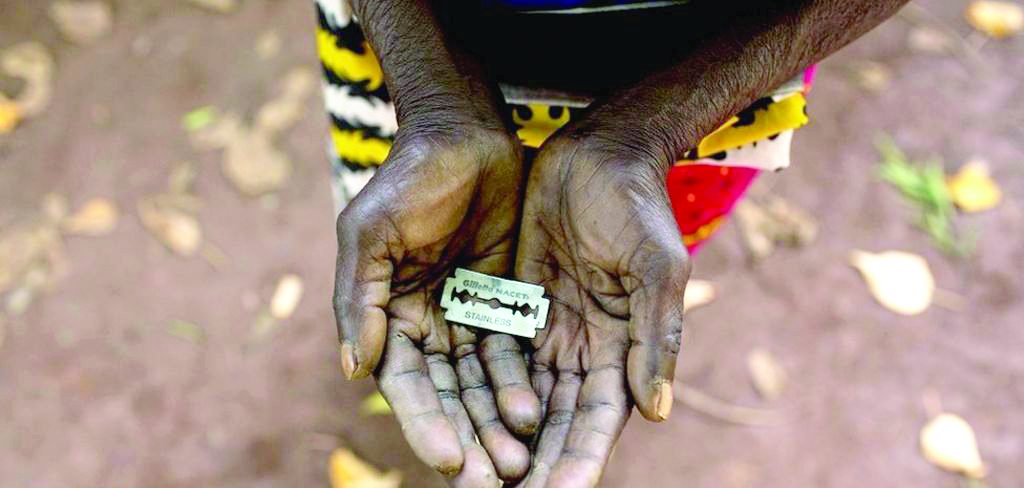
More than 40,000 girls and young women in Africa lose their lives each year due to the catastrophic consequences of Female Genital Mutilation (FGM), a new report has revealed.
This startling figure has positioned FGM as the primary cause of death among girls, surpassing even HIV/Aids, measles, meningitis, malnutrition-related fatalities, injuries, and whooping cough.
The report titled Estimating Excess Mortality due to Female Genital Mutilation paints a grim picture of the dire situation.
It emphasises that FGM’s toll on girls’ lives is unparalleled, asserting that 44,320 lives are lost annually due to this practice. This staggering figure unequivocally ranks FGM as the top cause of mortality among girls and young women in certain African regions.
“This alarming number underscores FGM’s undeniable status as a critical health and social concern, necessitating immediate attention beyond being a violation of human rights,” the report states.
The World Health Organisation defines FGM as the partial or total removal of external female genitalia or other injuries to the female genital organs for non-medical reasons.
Tragically, this violation has affected approximately 200 million girls and women worldwide, perpetuating obstetric complications, diminished sexual function, and enduring physical and mental health issues.
The report underscores that the prevalence of FGM varies significantly within countries. For instance, while Nigeria witnesses FGM occurring in girls younger than five years old around 93 per cent of the time, in neighbouring Benin, it is more prevalent among girls up to nine years old or older.
“This variance across neighbouring countries, particularly between East and West Africa, is common. In many West African nations, FGM is perpetrated by the age of six or seven, often targeting infant girls,” the report highlights.
Acknowledging that strategies to diminish or eliminate FGM hold the power to save countless lives, the report notes that a 50 per cent increase in girls subjected to FGM amplifies their five-year mortality rate by 0.075 per cent.
Broadening its perspective, the report deems the high excess mortality rate due to FGM in Africa as an illustration of the detrimental consequences of patriarchal institutions, whose origins are complex and intricate.
To curtail these tragedies, the report underscores the imperative to make FGM illegal in countries where it persists, recognising that legal reform can catalyse cultural transformation. It also underscores the significance of shifting community attitudes towards FGM.
Author
Joel Sang
View all posts by Joel SangLatest News







Advertisement
More on News