Advertisement
Outcry as NHIF cuts dialysis pay-out
Monday 20th December, 2021 04:27 AM|
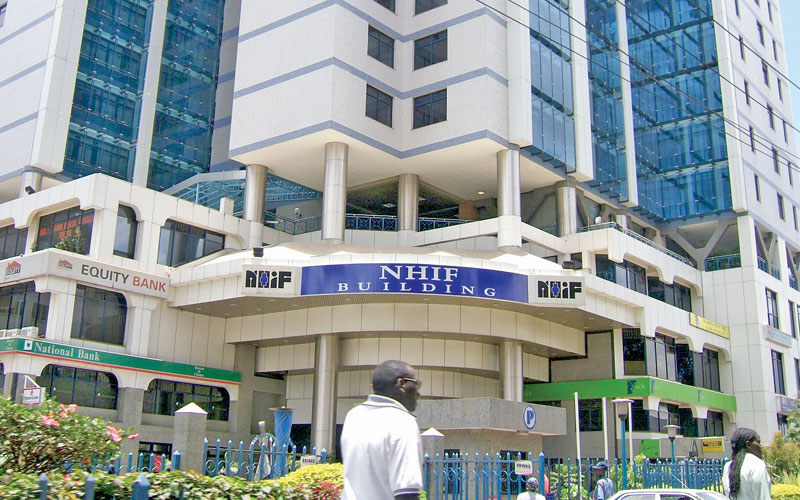
It is now official the National Hospital Insurance Fund (NHIF), has reduced the average pay-out for a renal dialysis session from the current Sh9,500 to Sh6,000, as it seeks to reduce bills for the weekly procedure.
In a detailed circular, the national health insurer has decided to proceed with the proposals it issued in October, despite protests from the Kenya Renal Association (KRA) and kidney patients.
Doctors are now warning that reducing the reimbursement would force many patients to drop out of treatment.
Already, the Kenya Association of Private Hospitals has threatened to stop rendering dialysis services to patients under NHIF cover due to the cost implications, should the proposal be effected.
You Might Also Like
Cost-cutting drive
Dr Abdi Mohamed;a co-founder of the Kenya Association of Private Hospitals (KAPH), said they were contemplating stopping offering dialysis services, now that NHIF has gone ahead to implement the proposed fees.
He said that except for the machines, every item used in the dialysis procedure is for one-time use, and some products, such as filters; are subjected to Value Added Tax, which makes the procedure expensive.
The agency had suspended the implementation of the proposals early in November to pave way for consultations with stakeholders, particularly
Kenya Revenue Authority and KAPH.
NHIF says it intends to reduce expenses incurred on dialysis by Sh1 billion annually to Sh2.7 billion. The insurer says the cost-cutting drive, which will force thousands of kidney dialysis beneficiaries to top-up for their medical bills, will save it at least Sh2.9 billion in the year.
In the new scheme, the State-backed insurer, states that the number of dialysis sessions covered in a week to be based on global best practices and recommendations from KRA engagement forums.
“It is also proposed that stand-alone dialysis centres shall be contracted on a comprehensive basis and must have an Intensive Care Unit (ICU) or a service level agreement with a level five hospital having an ICU within a 10km radius,” the NHIF circular states.
The reduced average pay-out means that a kidney patient undergoing haemodialysis in private facilities, which are the majority, will have to top up Sh3,500 per session, totalling to Sh10,500 per week, besides other expenses such as the cost for immunity -boosting drugs.
Kidney specialist Dr John Ngigi, has now warned that the reduction of the reimbursement fee, will have far-reaching consequences due to the high cost of consumables and other items.
“This is likely to lead to shortcuts that will only result in detrimental outcomes to the patients. Reusing dialysis membranes has been tried in Kenya without much success. In India where the practice is done, it is associated with a lot of complications such as increased bacterial infection rates and hepatitis infections,” Ngigi warned.
He adds that though manufacturing dialysate fluids in-house may also reduce the costs, stringent measures need to be adhered to in order to reduce contamination of the fluids and ensure the chemical balance.
In a protest letter to NHIF Chief executive Peter Kamunyo, Ngigi says reduction of reimbursement of haemodialysis will lead to numerous challenges.
Meanwhile, the Catholic Health Commission of Kenya chairman Bishop Joseph Mbatia, has lashed out at NHIF for delaying to reimburse costs of treatment to hospitals, saying this had hampered service delivery at faith based facilities.
Bishop Mbatia accused NHIF for dragging its feet in remitting medical claim payouts.
Speaking when be received Personal Protective Equipment from the Equity Group Foundation and the Kenya Covid-19 Fund Board, the Nyahururu Catholic Diocese bishop said many faith-based health facilities are unable to pay their workers, procure drugs and support essential services as a result. Similar complaints have been registered by hospitals under the umbrella of
Christian Health Association of Kenya.
—Additional report by KNA
Author
Mathew.Ndungu
View all posts by Mathew.NdunguLatest News





Advertisement
More on News