Advertisement
Nairobi MCAs launch public hearings into Ruto-Sakaja Ksh80B pact
Monday 23rd February, 2026 09:14 AM|

Nairobi Members of the County Assembly (MCAs) have begun public hearings on the Ksh80 billion cooperation agreement between the national government and City Hall.
The move comes as divisions emerge over its legality, timing, and implications for devolution.
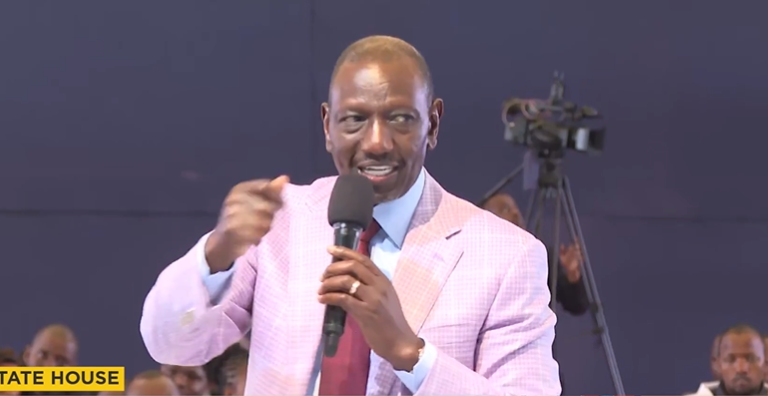
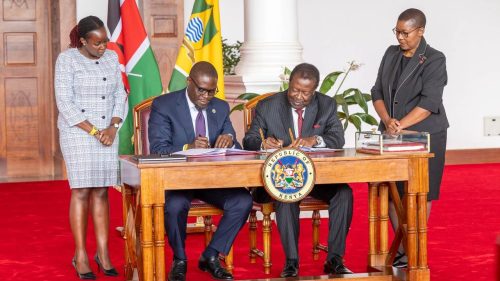
The deal, signed on Wednesday, February 18, 2026, by President William Ruto and Governor Johnson Sakaja, seeks to unlock joint implementation of major infrastructure projects in the capital.
The deal spans key sectors including water, sewerage, roads, housing, transport, street lighting, and waste management.
You Might Also Like

Proponents argue the agreement will accelerate development projects, improve services, and channel critical funding into the city. Opponents, however, caution that it could erode county autonomy and bypass constitutional requirements for public consultation.
Central to the debate is whether citizens’ input should have been sought before the agreement was signed or after. There is also uncertainty over which body will oversee the billions allocated to devolved functions.
On Friday, February 20, 2026, the assembly approved the formation of a 21-member ad hoc committee to scrutinise the 13-page document and conduct public hearings across the city within 11 days.
The committee, led by Speaker Ken Ng’ondi, will examine the county assembly’s oversight responsibilities, review the legal framework of the Ksh80 billion Ruto–Sakaja agreement, and evaluate its impact on the 2026-27 budget cycle.
The deal mandates that MCAs carry out public participation within 14 days of signing, ensuring the agreement cannot take effect until citizen input is incorporated.
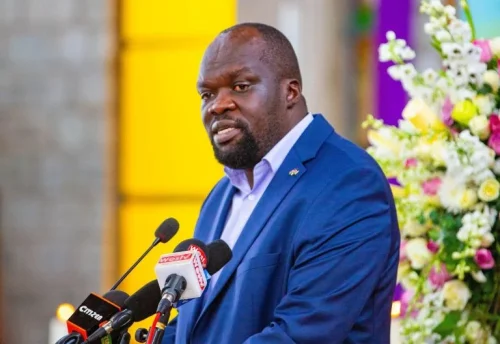
The Ad Hoc committee, however, faced questions over its legitimacy from Kileleshwa MCA Robert Alai, who opposed its formation, describing it as a duplication of roles.
“We need to realise that the actual agreement has not been seen by members. It’s wrong for us to come to the House to compose an Ad Hoc committee to debate a matter which can easily be debated by sectoral committees,” Alai said.
The pact jitters
The document also states that the assembly will retain oversight over the funds, even as implementation is coordinated through intergovernmental structures.
An intergovernmental committee, chaired by Prime Cabinet Secretary Musalia Mudavadi and deputised by Sakaja, will oversee the rollout of the programme.
A separate implementation committee, chaired by the governor, will bring together principal secretaries, county executives and chief officers.
Majority leader Peter Imwatok urged MCAs to back the process, arguing that the agreement would accelerate service delivery.
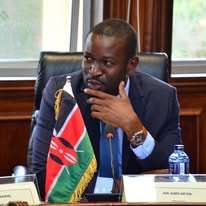
“This is the best thing for our city to fast-track development. I witnessed the signing and I urge members to understand it so we can work together,” he said.
Minority leader Anthony Kiragu echoed the sentiment, saying the additional Ksh80 billion could transform Nairobi if properly utilised.
“The honourable member has not taken time to understand that this committee has a duty and a timeline of 11 days. This is just to ratify, look and collect public views and bring a report to this House,” he said.
However, the hearings have opened amid mounting legal and political questions.
Nairobi Senator Edwin Sifuna has criticised the process, arguing that the agreement acknowledges that no public participation was conducted before signing.
“The so-called cooperation agreement admits there was no public participation, a violation of the constitution too egregious to ignore,” he said.
Author
Latest News

Advertisement
More on News