Advertisement
Sifuna outlines constitutional path for Nairobi development, rejects Ruto’s Ksh80B claim
Wednesday 18th February, 2026 11:39 AM|

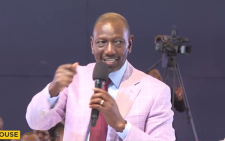
Nairobi Senator Edwin Sifuna has rejected the cooperation agreement signed between President William Ruto and Governor Johnson Sakaja, describing it as an unconstitutional continuation of the flawed Nairobi Metropolitan Services (NMS) model.
Speaking in Parliament, Sifuna dismissed the President’s claim that the national government is committing Ksh80 billion to Nairobi’s development, calling it a “ruse” and insisting there are legal avenues to support the capital without violating the Constitution.
Sifuna argued that the agreement revives problems that plagued NMS, including unpaid pending bills, weak audit trails, and unchecked corruption.
He reminded Governor Sakaja that the Senate had previously ruled that outstanding NMS bills are the responsibility of State House, where the accounting officer for NMS was based. “Thousands of contractors and workers remain unpaid while their livelihoods hang in the balance,” he said.
You Might Also Like
The senator further highlighted that national government institutions owe Nairobi City County more than Ksh100 billion in unpaid rates and other dues.
He accused the President of using the Ksh80 billion figure to portray generosity while ignoring these legitimate debts. “If that money were paid, the county could clear its own pending bills also over Ksh100 billion and fund roads, markets, drainage and garbage collection,” Sifuna stated.
Sifuna also criticised the national government for retaining devolved functions, particularly roads. Agencies such as KeRRA and KURA continue to execute county roads despite the Constitution recognising only national trunk roads and county roads.
He recalled that the late Raila Odinga had repeatedly called for the disbandment of these agencies, a demand included in the March 2025 Memorandum of Understanding between Azimio and the Kenya Kwanza administration.
“President Ruto is not only ignoring that MOU but actively violating it through this agreement,” he charged.
Sifuna emphasised that Nairobi’s unique needs as the capital city including higher security requirements, street lighting costs, and diplomatic obligations, can be addressed through existing legal mechanisms such as conditional grants and additional allocations, the same instruments used for other counties to build headquarters or industrial parks.
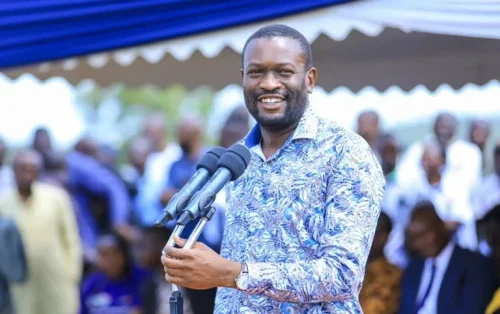
Sifuna’s proposed constitutional alternatives
The senator presented a four-point plan he would implement if in the President’s position.
First, he called for direct settlement of all national government debts, with the County Assembly ring-fencing funds for priority projects and clearing pending bills.
Second, he proposed a full transfer of devolved functions, including dissolving KeNHA and KURA operations in Nairobi and channeling their budgets directly to the county government for road works.
Third, he recommended using legal funding instruments, including additional allocations or conditional grants for critical needs such as street lighting and modern markets like Gikomba.
Finally, Sifuna urged the Treasury to strictly adhere to the Senate-approved schedule for releasing counties’ equitable share by the 15th of every month to end chronic delays.
Accountability and public participation
Sifuna warned that arrangements like the new agreement complicate oversight by the County Assembly, Senate, and Auditor-General, making accountability nearly impossible.
He urged both President Ruto and Governor Sakaja to shelve the deal in the public interest and pursue development in strict accordance with the Constitution.

On public participation, the senator dismissed planned consultations as cosmetic, noting that the agreement takes effect within 14 days and allows supplemental deals without public input. He assured that the Senate will soon address the matter through its committees and use all legal avenues to enforce constitutional compliance.
Author
Latest News


Advertisement
More on Inside Politics