Advertisement
Murkomen vows crackdown on drug trafficking, cybercrime ahead of 2027 elections
Thursday 12th February, 2026 05:37 PM|
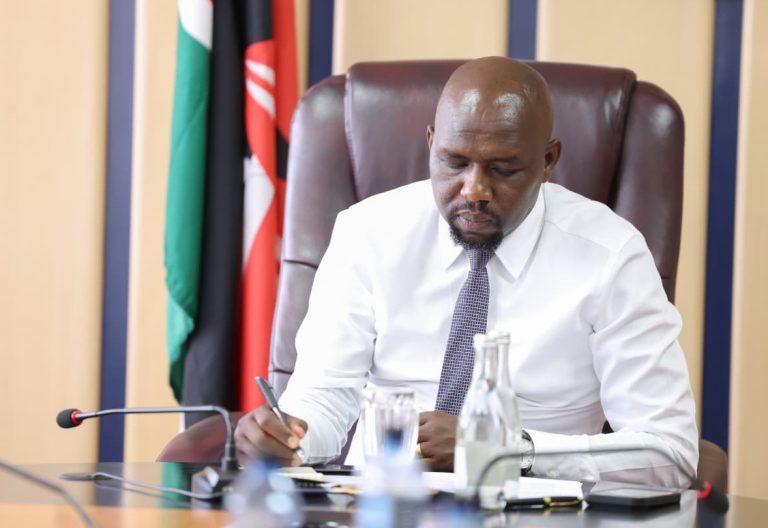
Interior Cabinet Secretary Kipchumba Murkomen has outlined measures to strengthen security across Kenya, highlighting intensified operations against drug traffickers, armed bandits, and emerging cyber threats. He said the government is committed to safeguarding public order as the country approaches the 2027 electioneering period.
Appearing before the National Assembly Speaker’s Kamukunji on Thursday, February 12, 2026, Murkomen explained the security strategy aimed at addressing criminal networks, enhancing inter-agency coordination, and ensuring lawful and accountable operations. He detailed how security operations would target key criminal sectors and involve collaboration with county governments and regulatory agencies.
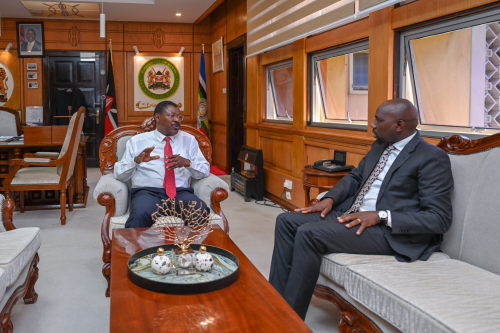
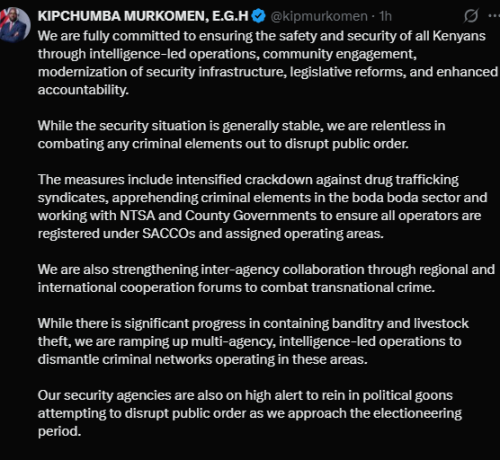
“We are fully committed to ensuring the safety and security of all Kenyans through intelligence-led operations, community engagement, modernisation of security infrastructure, legislative reforms, and enhanced accountability. The measures include intensified crackdown against drug trafficking syndicates, apprehending criminal elements in the boda boda sector and working with NTSA and County Governments to ensure all operators are registered under SACCOs and assigned operating areas,” Murkomen stated.
Murkomen added that the government is strengthening the regional and international collaborations through forums to deal with the issues. He added that the government has made significant progress in dealing with banditry through intelligence-led operations in the affected areas. He also assured that security agencies are dealing with political goons decisively.
You Might Also Like



“We are also strengthening inter-agency collaboration through regional and international cooperation forums to combat transnational crime. While there is significant progress in containing banditry and livestock theft, we are ramping up multi-agency, intelligence-led operations to dismantle criminal networks operating in these areas. Our security agencies are also on high alert to rein in political goons attempting to disrupt public order as we approach the electioneering period,” Murkomen said.
Insecurity in Isiolo and Marsabit counties
On insecurity in Isiolo and Marsabit counties, Murkomen emphasised that the government’s initiatives, like Operation Ondoa Jangili, periodic disarmament operations, among others, have had fruits.
“The insecurity in these regions is primarily characterised by: Inter-communal tensions linked to competition over grazing land and water resources; banditry and cattle rustling; proliferation of illicit small arms and light weapons; drug and human trafficking; cases of missing persons, abductions, and murder; cross-border criminal activities; political undertones that occasionally heighten local tensions.
In response, the Government has sustained security operations in the region, such as Operation Ondoa Jangili; conducted periodic disarmament operations; enhanced security deployment, including specialised units and rapid response teams; intensified multi-agency operations targeting armed criminal networks; strengthened border surveillance and intelligence coordination; increased peace-building and community dialogue initiatives involving elders and local leaders,” Murkomen added.
Cybercrime threats and online radicalisation
On cyber threats, Murkomen stressed the growing importance of the digital domain for national security and public safety.
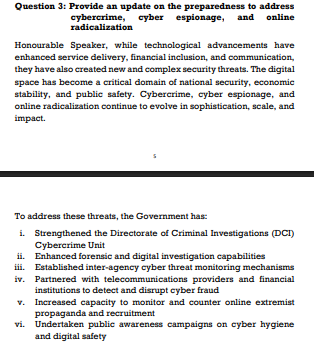
“While technological advancements have enhanced service delivery, financial inclusion, and communication, they have also created new and complex security threats. The digital space has become a critical domain of national security, economic stability, and public safety. Cybercrime, cyber espionage, and online radicalisation continue to evolve in sophistication, scale, and impact,” Murkomen said.
Discipline and accountability within the police service
He also outlined efforts to enforce discipline and accountability within the police service, including cooperation with oversight bodies, internal investigations, and the adoption of technology to improve traceability.
“The National Police Service is disciplined, and officers are expected to be professional in the execution of their mandate. However, there have been recent incidents of unprofessional conduct by some officers that have eroded public confidence. Efforts to Strengthen Discipline include firmer enforcement of the National Police Service Act, Service Standing Orders, and Code of Conduct; continuous training on ethics, human rights, and lawful use of force; command responsibility to ensure strict supervision and adherence to operational standards; internal disciplinary processes for officers found to have violated regulations,” Murkomen said.
He added that accountability and impartial law enforcement are essential for public trust and human rights protection. He added that provision of cooperation to IPOA to carry out independent investigations into cases involving police officers, adoption of technology in policing will ensure there is improvement in traceability and accountability.
“Enhancing Accountability Mechanisms: providing necessary cooperation to the Independent Policing Oversight Authority (IPOA) and other oversight bodies carrying out independent investigations into cases implicating police officers; mandating the Internal Affairs Unit to investigate police misconduct; expeditious handling of complaints lodged by members of the public; adoption of technology in policing, including digital reporting systems and CCTV installations in police stations to improve traceability and accountability,” Murkomen stated.
“Upholding the Rule of Law: ensuring compliance with constitutional provisions and rule of law in policing; proportional and lawful use of force in public order management; protection of human rights during arrests, detention, and investigations; commitment to impartial enforcement of the law without discrimination,” Murkomen concluded.
Author
Latest News







Advertisement
More on News